
Plants
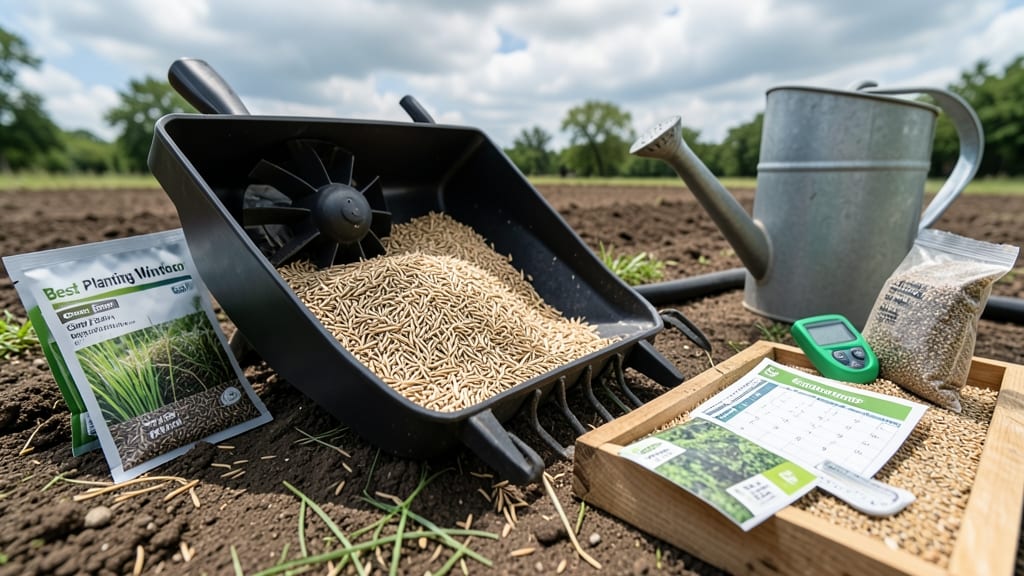
If you've ever stared at your patchy Florida lawn wondering "when is the best time to plant grass seed", you're not alone. The state's sweltering summers and sudden downpours can turn seeding into a frustrating guessing game—but there's a sweet spot that transforms your yard from "meh" to "wow."
Here's the secret: Late summer to early fall offers the perfect balance of warm soil and cooler air, giving your 🌱 turfgrass the ideal conditions to establish deep roots before winter. This window isn't just about timing—it's about working with Florida's climate instead of fighting it.
I'll walk you through why this period beats spring planting, how to prep your soil for maximum success, and what to watch for in Florida's different regions.
Whether you're dealing with North Florida's occasional frosts or South Florida's relentless humidity, these insights will help you grow grass that's lush, resilient, and built to last.
Ready to turn your lawn from "so-so" to showstopping? Let's dive into the best strategies for planting grass seed in Florida—without the trial and error.
Optimal Florida grass seed planting windows: late summer to early fall explained
Florida’s humid climate and intense sunlight make timing critical for grass seed success. The best window spans from late August through October, when soil temperatures hover between 65-75°F—perfect for germination without heat stress.
This period also aligns with Florida’s natural rainfall patterns, reducing irrigation demands while keeping seeds moist.
Northern Florida’s cooler microclimates (like Jacksonville) benefit most from September planting, while Central Florida (Orlando) thrives with late August starts. South Florida’s warmer zones (Miami, Fort Myers) can extend seeding into early October, but avoid November’s hurricane season risks and soil cooling.
Here’s why this window works best for Florida’s three distinct regions: soil warmth, rainfall, and pest pressure all align perfectly. Skipping this window risks heat stress, drought, or fungal diseases that plague spring plantings.
The soil temperature is your #1 guide—use a soil thermometer to confirm 65–75°F before planting. Cool soil (<60°F) slows germination, while hotter soil (>80°F) causes seed desiccation. Florida’s afternoon thunderstorms in fall also provide natural irrigation, cutting your watering workload by 30–50% compared to spring.
Another advantage? Fewer weeds compete with seedlings in fall. Warm-season weeds like crabgrass and nutgrass decline as temperatures drop, giving your grass a head start. Pre-treat with corn gluten meal (a natural pre-emergent) 2 weeks before seeding for extra protection.
If you’re in North Florida, aim for September 1–15 to avoid early October’s cooler nights, which can stunt root growth. For Central Florida, stretch planting into early October—just monitor for hurricane watches and pause if heavy rain is forecasted.
South Florida’s longer growing season allows flexibility until October 15, but prioritize shade-tolerant varieties if your lawn gets afternoon sun.
Pro tip: Test your soil’s pH 2 weeks before planting. Florida’s sandy soils often test acidic (below 6.0), which inhibits germination. Amend with pelletized lime if needed—aim for a pH of 6.0–6.5 for most grass types. This adjustment takes 2–4 weeks, so don’t wait until the last minute!
Once you’ve nailed the timing, prep your soil with 2–3 inches of compost and a light rake to create a fine seedbed. Avoid tilling deeply—Florida’s topsoil is often thin, and disturbing it can expose hardpan layers that block root growth.
Overlap your seeding passes by 6 inches to ensure 100% coverage, especially in high-traffic areas.
After planting, lightly mulch with straw (not wood chips) to retain moisture and protect seeds from bird foraging. Water twice daily (morning and evening) for the first 7–10 days, keeping the top 1/4 inch of soil damp.
Once seedlings reach 1–2 inches tall, switch to deep, infrequent watering (1–1.5 inches per week) to encourage deep root systems—critical for Florida’s drought-prone summers.
By planting in this optimal window, your grass will establish strong roots before winter, outcompete weeds, and survive Florida’s brutal summers with minimal stress. Skip the guesswork—mark your calendar for late August to early October and watch your lawn transform from bare patches to lush green.
Optimal Florida grass seed planting windows: late summer to early fall explained
Florida's climate might seem like a moving target for lawn care, but there's actually a perfect window for planting grass seed that gives your lawn the best shot at success.
The ideal time spans from late August through October, when soil temperatures hover between 65-75°F—the sweet spot for seed germination and root development.
This timing aligns with Florida's natural rainfall patterns, reducing the need for excessive irrigation while keeping humidity levels just right. The cooler air temperatures also minimize heat stress on young seedlings, which is a major issue during Florida's brutal summer months.
For homeowners in North Florida, this window extends slightly later due to cooler evenings, while South Florida can start as early as mid-August.
Here's why this period beats other seasons hands down: the combination of warm soil, moderate air temperatures, and natural rainfall creates optimal growing conditions without the extreme challenges of Florida's summer heat or winter dormancy.
This balance allows your grass to establish a deep root system before facing potential winter stress or summer drought.
| Planting Window | Soil Temp (°F) | Rainfall Pattern | Key Benefit |
|---|---|---|---|
| Late August - Early September | 70-75°F | Peak summer rains | Reduced irrigation needed |
| Mid-September - October | 65-70°F | Moderate rainfall | Deep root establishment |
| North FL Extension | 60-65°F | Cooler evenings | Reduced heat stress |
| South FL Start | 75-80°F | High humidity | Fungal risk mitigation |
The soil temperature during this period is critical—it should never exceed 80°F, as higher temperatures can cause seed dormancy or even death. You can test your soil temperature with a simple soil thermometer (available at garden centers) by inserting it about 4 inches deep.
For Florida's coastal regions, this window might shift slightly earlier due to the moderating influence of ocean breezes.
Another key advantage of fall planting is the reduced competition from weeds and insects. Many Florida weeds become less aggressive as temperatures drop, and beneficial insects are more active during this period, helping to control pests naturally.
This natural balance gives your new grass seedlings a better chance to establish without battling for resources.
Remember that Florida's climate varies dramatically from Panhandle to Keys, so adjust your timing based on your specific region. For example, Tallahassee might see its ideal window in early September, while Miami could start as early as mid-August.
Always check your local cooperative extension service for region-specific advice tailored to your microclimate.