
Companion Plants
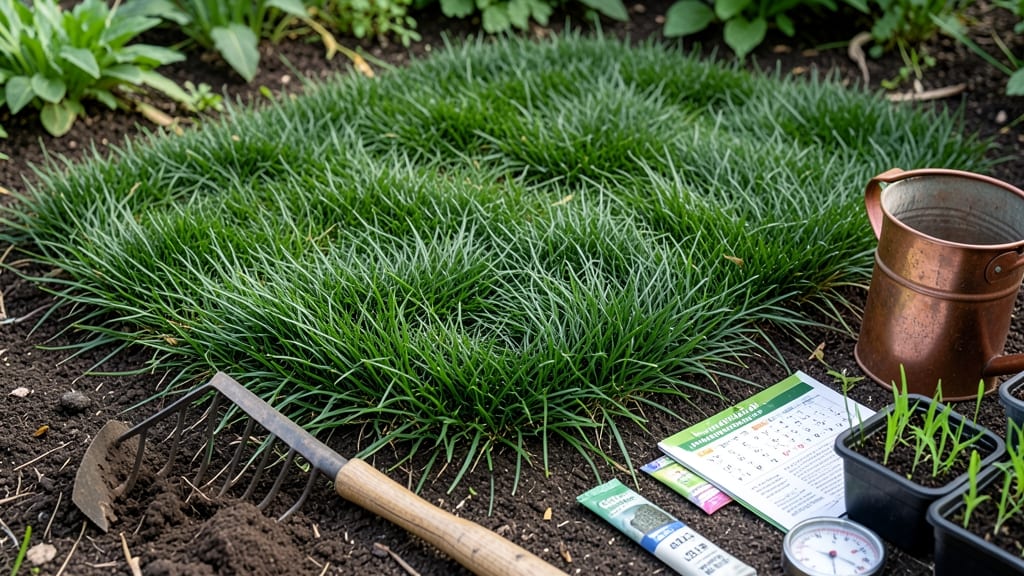
Planting grass seed in Michigan at the wrong time can leave you staring at a patchy, struggling lawn—when the perfect window could mean a thick, green carpet in just 8 weeks.
The cool-season climate here demands precision, and missing the ideal timing (early spring or fall) risks frost, drought, or slow germination.
I’ve seen firsthand how a well-timed planting transforms bare spots into lush turfgrass 🌱—but only if you account for Michigan’s 5b-6b zones and soil temps. Too early, and frost zaps your seedlings. Too late, and summer heat dries them out before roots take hold.
Here’s the game-changer: Plant 4–6 weeks before your first frost (March–April) or in early fall (September–October) when soil hits 50°F. I’ll break down exactly how to prep your soil, pick the right seed, and keep your lawn thriving through Michigan’s unpredictable weather.
Skip the guesswork—let’s get your grass off to the strongest start possible, with zero wasted effort.
Best months to plant grass seed in Michigan’s cool-season climate
Michigan’s cool-season climate (USDA zones 5b-6b) creates a narrow window for planting grass seed—but timing it right makes all the difference. The ideal months are early spring (March–April) and early fall (September–October), when soil temperatures hover between 50–65°F.
These periods align with Michigan’s last frost dates (April 15) and first frost dates (October 15), giving seedlings enough time to establish before extreme weather hits.
Why these windows? Cool-season grasses like Kentucky bluegrass and tall fescue thrive when days are 50–75°F but struggle in summer’s heat stress or winter’s frost damage. Planting outside these times risks patchy germination or seedling death from either scorching sun or freezing temps.
For example, seeding in May or early June often leads to weak growth because summer heat dries out young roots.
Michigan’s Upper Peninsula and Lower Peninsula have slight variations. The UP tends to have earlier frosts (plant by mid-August for fall) and cooler springs (wait until late April), while the LP offers a 2–3 week longer window in both seasons.
Always check your local Michigan State University Extension frost maps to fine-tune your schedule.
| Season | Best Months | Soil Temp (°F) | Key Considerations |
|---|---|---|---|
| Spring | March–April | 50–65°F | Avoid late frosts; water daily until established. |
| Fall | September–October | 50–60°F | Seedlings need 6+ weeks before first frost; ideal for deep root growth. |
| Summer | Avoid (May–August) | >75°F | High heat stress; seeds dry out before germination. |
| Winter | November–February | <32°F | Frost kills seeds; wait for spring thaw. |
For spring planting, aim to seed 4–6 weeks before the last frost (typically mid-March to early April). This gives seedlings time to develop 2–3 inches of roots before summer heat arrives.
If you miss spring, fall is your second-best option—plant 6–8 weeks before the first frost (usually late August to mid-September) to ensure roots harden off before winter.
Pro tip: Use a soil thermometer to confirm temps are 50°F+ before planting. Michigan’s clay-heavy soils can stay cold longer, especially in shaded areas. If temps drop below 40°F, germination slows dramatically, and seeds may rot.
For example, planting in early March in northern Michigan often fails unless you use warmth blankets or wait for soil to warm.
Regional microclimates matter too. Southern Michigan (e.g., Detroit, Kalamazoo) has longer growing seasons and can sometimes plant into early May, while northern areas (e.g., Traverse City, Marquette) should stick to March–April or September only. Check Almanac.com for your specific frost-free date to avoid costly mistakes.
One common mistake? Planting too late in spring (after May 15) or too early in fall (before August 15). Late spring seedlings face summer drought stress, while early fall seedlings may not develop enough roots before winter.
For instance, seeding in October in southern Michigan can work, but in the UP
How soil temperature and weather affect grass seed germination in Michigan
Michigan’s cool-season climate and clay-heavy soils create unique challenges for grass seed germination. If your soil is too cold (<50°F), seeds won’t sprout—even if you plant at the "right" time.
I’ve seen seedlings fail because the ground was 55°F one day and 40°F the next, shocking tender roots. The key? Monitoring soil temperature (not air temp) and adjusting your planting schedule accordingly.
For optimal germination, aim for soil temps between 50°F and 65°F. In Michigan’s Upper Peninsula, this typically means waiting until mid-April, while the Lower Peninsula can start as early as late March.
Use a soil thermometer ($10 at garden centers) to check—planting too early risks frost damage, while waiting too long lets weeds take over.
Moisture is just as critical. Grass seeds need 1–1.5 inches of water per week during germination. Michigan’s spring rains can help, but drought spells (common in May) require daily watering.
I recommend light, frequent misting (not deep soaks) until sprouts appear—usually 7–14 days after planting. Overwatering? That’s just as bad—it causes fungal diseases like Pythium.
🚨 Critical Warning
Planting when soil temps drop below 50°F or rise above 75°F stresses seeds, leading to slow germination or death. Michigan’s late spring frosts (even in May!) can kill new shoots overnight. Check forecasts and delay planting if frost is predicted within 3–5 days.
Michigan’s clay soils (common in southern regions) hold moisture but can become waterlogged after heavy rains. Before planting, loosen the top 4 inches of soil with a garden fork or tiller to improve drainage.
Mix in 2–3 inches of compost to break up clay and add organic matter—this helps seeds establish 2x faster in compacted soil. Pro tip: Test your soil’s pH (6.0–7.0 ideal) with a $10 kit; clay soils often need lime to raise pH.
Wind and drought stress are silent killers. In open areas (like lawn edges or sandy soils), use a light straw mulch (¼-inch layer) to protect seeds from wind erosion. For shady spots (common in Michigan’s forests), choose fine fescue—it tolerates 2–4 hours of shade better than Kentucky bluegrass.
Water deeply in the morning (before 10 AM) to reduce evaporation and fungal risk.
Finally, watch for weed competition. Crabgrass and chickweed germinate faster than grass seeds in warm soil. Apply a pre-emergent herbicide (like corn gluten meal) 2 weeks before planting to suppress weeds without harming grass.
Once your lawn reaches 50% coverage (about 4–6 weeks post-planting), switch to a post-emergent to target survivors.
With these adjustments, your grass seeds will germinate consistently—even in Michigan’s unpredictable weather. The secret? Patience + preparation beats rushing into planting. 🌱