
Companion Plants
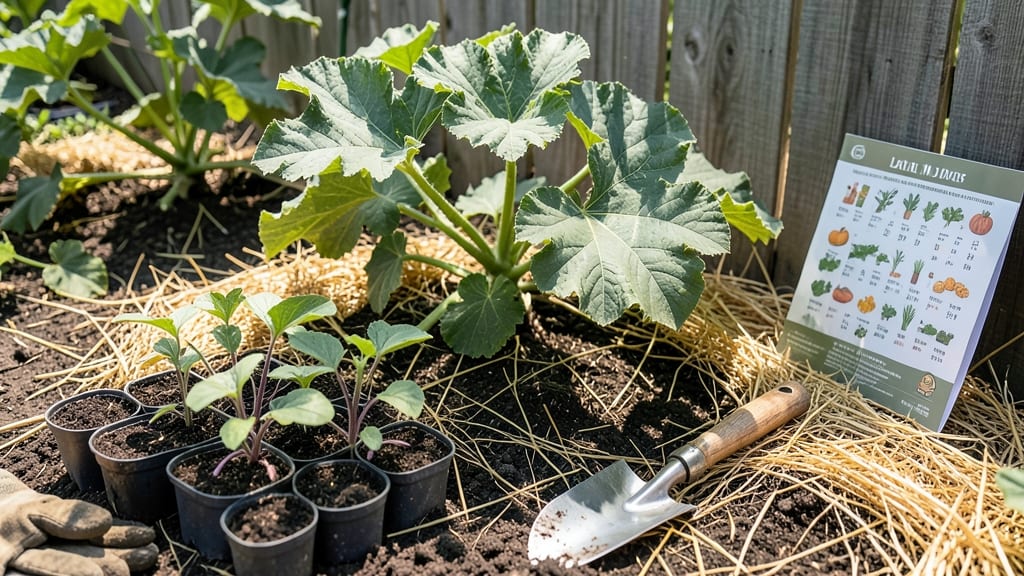
If you’ve ever stared at your garden calendar wondering when should I plant pumpkins in Ohio, you’re not alone—getting the timing right is the difference between a bountiful harvest and a sad, wilted vine.
Ohio’s Zone 6a climate means frost can linger until mid-April, but planting too early risks stunted growth, while waiting too long cuts your growing season short.
The ideal window for planting pumpkins in Ohio is late spring to early summer—once soil temperatures hit at least 60°F and all danger of frost has passed. This usually lands between May 15 and June 15, depending on your microclimate (think Columbus vs. Cleveland).
Skipping the soil temp check? You might end up with pumpkins that struggle to mature before the first frost in October.
Here’s the game-changer: Ohio’s short growing season (165 frost-free days) demands quick action. Whether you’re growing Jack Be Little for carving or Sugar Pie for baking, timing your plantings to hit 85–120 days before the first frost is non-negotiable.
I’ll break down the exact steps—soil prep, seed hardening, and even city-specific tweaks—to ensure your 🎃 thrives.
Ready to avoid the most common mistakes? From planting too soon (hello, frost damage) to ignoring soil drainage (Ohio’s clay can be a nightmare), we’ll cover it all. Let’s get those pumpkins in the ground the right way—so you’re feasting on homegrown goodness by fall.
Ohio pumpkin planting calendar: exact soil temp & date ranges for Zone 5b-6a
Ohio’s Zone 5b-6a climate means pumpkins must be planted at the perfect moment—too early and frost will kill seedlings, too late and your harvest shrinks. The golden window starts when soil reaches 50-60°F, typically 2-3 weeks after your last frost date.
In most of Ohio, this lands between mid-May and early June, but urban areas like Columbus may need to wait until late May due to heat islands.
For direct-sown seeds, aim for soil temps of 60°F+—cooler soils stunt germination. If you’re using transplants, harden them first and plant after May 15 in southern Ohio or June 1 in northern regions like Cleveland.
Remember: pumpkins need 100-120 frost-free days to mature, so late plantings risk immature fruit.
Ohio’s microclimates complicate things. Cincinnati’s warmer springs may allow planting by mid-May, while Toledo’s cooler zones might delay until early June. Always check your local frost data (like the Old Farmer’s Almanac) and adjust by 1-2 weeks for safety.
Here’s how Ohio’s three major regions compare for ideal planting windows:
| Region | Last Frost Date | Optimal Planting Window | Soil Temp Requirement | Key Variety Tips |
|---|---|---|---|---|
| Southern Ohio (Cincinnati, Dayton) | April 15–May 1 | Mid-May to late May | 60°F+ | ‘Sugar Pie’ (75 days), ‘Howden’ (85 days) |
| Central Ohio (Columbus) | April 20–May 5 | Late May to early June | 60°F+ | ‘Jack Be Little’ (80 days), ‘Cinderella’ (90 days) |
| Northern Ohio (Cleveland, Toledo) | May 1–May 15 | Early June | 60°F+ | ‘Small Sugar’ (85 days), ‘Waltham Butternut’ (100 days) |
Pro tip: Use a soil thermometer to confirm temps—Ohio’s clay soils can stay cold longer. If your garden sits in a low-lying area, plant 2 weeks later to avoid lingering frost pockets.
For container growing, extend the season by planting in black plastic pots (they warm faster) and place them in full sun.
Fall planting is risky in Ohio but possible for short-season varieties like ‘Jack Be Little.’ Sow seeds in early August for a 90-day harvest before frost.
Just ensure your soil stays above 55°F—cold nights slow germination. Mulch heavily with straw to protect young plants from early October chills.
Ohio’s humidity and summer heat can stress pumpkins, so prioritize well-draining soil and morning watering. If your area gets 90°F+ temps, provide afternoon shade cloth to prevent vine burnout. Varieties like ‘Autumn Gold’ tolerate heat better than ‘Connecticut Field’—choose wisely based on your microclimate.
Don’t forget: Pumpkin vines spread 10–20 feet, so map your garden layout now. In Ohio’s Zone 5b-6a, plant hills 4–6 feet apart in raised beds if your soil is heavy clay. This improves drainage and reduces powdery mildew, a common Ohio issue.
Mark your calendar for June 15–July 1 as your primary planting window. If you miss it, August sowings can work for fast-maturing varieties, but yields will be smaller. Start seeds indoors 4 weeks before your last frost if you’re impatient—just harden them off properly to avoid transplant shock.
Ohio pumpkin planting calendar: exact soil temp & date ranges for Zone 5b-6a
Ohio’s Zone 5b-6a climate means your pumpkin planting window is tighter than you think—just 165 frost-free days to grow a harvest. The key is waiting until soil temperatures hit 50–60°F (measured at 4 inches deep), which typically aligns with mid-May to early June.
Planting too early risks frost damage, while waiting too long cuts your growing season short.
For Columbus (Zone 6a), aim for May 15–June 1; in Cleveland (Zone 5b), push to June 1–15 due to later frost dates. Cincinnati’s microclimate (Zone 6a) mirrors Columbus, but urban heat islands can push soil temps up 2–3°F warmer—adjust accordingly.
| Region | Last Frost Date | Ideal Planting Window | Soil Temp Threshold | Notes |
|---|---|---|---|---|
| Columbus (Zone 6a) | April 20–May 5 | May 15–June 1 | 55–60°F | Urban areas may warm faster |
| Cleveland (Zone 5b) | May 1–May 15 | June 1–15 | 50–55°F | Cooler lakeside microclimate |
| Cincinnati (Zone 6a) | April 25–May 10 | May 20–June 5 | 55–60°F | River valleys may frost later |
Use a soil thermometer to confirm readiness—pumpkin seeds won’t sprout below 50°F, and growth stalls below 60°F. For a longer harvest window, consider a second planting in early July (using fast-maturing varieties like ‘Jack Be Little’, which matures in 75 days).
Ohio’s clay-heavy soils can delay warming—amend beds with compost or aged manure 2–3 weeks before planting to improve heat absorption. Raised beds warm 2–3 weeks earlier than in-ground soil, giving you a head start.
Pro tip: Check your local Almanac frost dates and add 14–21 days for safety. If you’re in doubt, opt for transplants (4–5 weeks old) instead of direct sowing—they’ll catch up faster in Ohio’s cooler springs.
Don’t wait until the last minute—pumpkins need 85–120 days to mature, and Ohio’s first frost hits October 15. Plan now to avoid the 🎃 growing season rush!