
Plants
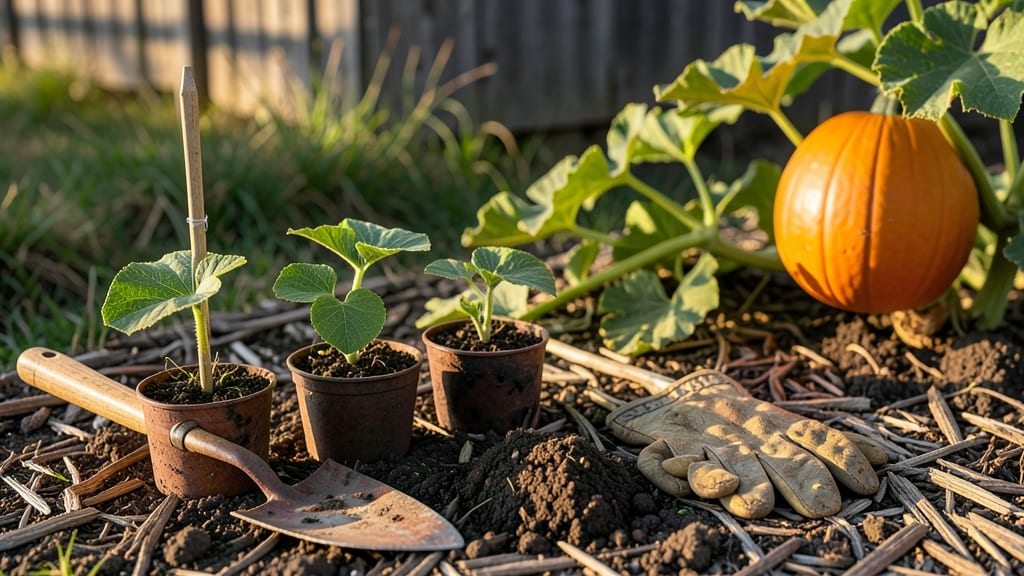
If you’ve ever wondered when to plant pumpkins in Pennsylvania, timing is the secret to avoiding frost-damaged seedlings or missed harvests.
With Pennsylvania’s USDA zones ranging from 5b to 7a, the window between late spring and early summer can feel like a tightrope walk—too early, and frost zaps your young plants; too late, and your 🎃 vines won’t mature before fall’s chill sets in.
Let’s cut through the guesswork. The key is waiting until soil temperatures hit at least 70°F and planting 2-3 weeks after your last frost date, which typically lands between mid-April and early June.
For zones 5b-6a, this might mean waiting until early May, while warmer areas like zone 7a can start as early as late April.
Why does this matter? Because pumpkins are warm-season lovers—they need 90-120 days of steady warmth to grow from seed to harvest. Planting at the right time ensures your vines spread strong and your fruits swell to their full potential, whether you’re growing pie pumpkins or jack-o’-lantern giants.
In this guide, I’ll walk you through exact deadlines by zone, soil prep tips, and how to stretch your growing season if Pennsylvania’s unpredictable weather tries to throw you off track. Ready to grow pumpkins that thrive? Let’s get started.
Pennsylvania pumpkin planting deadlines by hardiness zone (5a–7a)
Pennsylvania’s USDA zones 5a through 7a create a 3-week window difference for planting pumpkins. In cooler zone 5a (Poconos), wait until May 15—frost lingers until May 10—while zone 7a (southern PA) can start as early as April 20. The key? Soil temperature must hit 70°F for germination.
Direct-sowing seeds is best for Pennsylvania’s short season. Start 2 weeks after last frost (typically late April to early May) to ensure vines mature before first frost in October. Transplants? Use only if purchased from local nurseries after May 1—store-bought starts often shock in PA’s humidity.
Here’s how your zone determines timing:
| Zone | Last Frost Date | Planting Window | Soil Temp Threshold | Harvest Window |
|---|---|---|---|---|
| 5a (Poconos) | May 10 | May 15–June 1 | 70°F+ | Sept 15–Oct 5 |
| 5b (NE PA) | May 1 | May 1–May 15 | 70°F+ | Sept 1–Oct 10 |
| 6a (Central PA) | April 25 | April 30–May 10 | 65°F+ | Sept 10–Oct 15 |
| 7a (SW PA) | April 15 | April 20–May 5 | 60°F+ | Sept 20–Oct 20 |
For pie pumpkins like ‘Sugar Pie,’ plant 2 weeks earlier than giant varieties—they mature in 75–85 days. Skip early March sowing indoors unless you have grow lights; PA’s short days delay growth.
Pro tip: Use a soil thermometer to confirm readiness. In zone 6a, I’ve seen 50°F soil in May—too cold for germination. Wait for 65°F+ for faster sprouts.
In humid southern PA (zone 7a), plant earlier to avoid powdery mildew from late summer heat. Stagger plantings every 10 days for a 3-week harvest.
For Allegheny County, aim for May 1–15. Check Penn State Extension for your local frost dates—they vary by 5–7 days even within zones.
If you’re growing miniature pumpkins (e.g., ‘Munchkin’), extend your window to June 1—they tolerate cooler soils and mature in 70–80 days.
Remember: Vine health depends on timing. Plant too late, and your 90-day varieties won’t ripen before frost. Jack Be Little is my go-to for zone 5a—it handles cooler soils and still yields 2–3 lb pumpkins.
Pennsylvania pumpkin planting deadlines by hardiness zone (5a–7a)
Pennsylvania’s USDA zones 5b through 7a create a 3-4 week difference in ideal pumpkin planting times. In cooler zones like 5b (Poconos, Northeastern PA), you’ll wait until mid-May for safe soil temps, while zone 7a (Southwest PA) gardeners can start as early as late April.
The golden rule? Plant when soil hits 70°F and 2-3 weeks after last frost—not air temperature.
For direct sowing (most common method), aim for May 1–June 1 across most of PA. If you’re starting transplants indoors, begin seeds 2–4 weeks before last frost (around March 15–April 1), then harden off and transplant after May 15.
Transplants give you a 2-week head start on vines, but handle them gently—they’re sensitive to root disturbance.
| Zone | Last Frost Date | Ideal Planting Window | Soil Temp Threshold | Notes |
|---|---|---|---|---|
| 5b (Poconos, NE PA) | May 1–15 | May 15–June 1 | 70°F+ | Use black plastic mulch to warm soil faster. |
| 6a (Central PA) | April 20–May 5 | May 1–May 15 | 70°F+ | Transplants work well for early starts. |
| 7a (SW PA) | April 1–15 | April 20–May 10 | 65°F+ | Can plant earlier with row covers. |
Pro tip: Use a soil thermometer to confirm readiness—cold soil delays germination. In zone 5b, I’ve seen seedlings take 10+ days to sprout if planted too early. For faster results, mix compost into the soil to boost warmth retention.
And if your area has late spring frosts (like the Allegheny Mountains), opt for ‘Early Golden’ or ‘Sugar Pie’—these mature in 85–90 days, leaving room for error.
Remember, pumpkins need 90–120 frost-free days to mature. In zone 5b, this often means planting by June 1 for a late-summer harvest. In warmer zones, you can stretch it to July 1 for fall pumpkins.
Always check your local Penn State Extension frost date maps—PA’s microclimates vary wildly even within short distances.
Once planted, give vines 10–20 feet of space—crowding leads to blossom end rot and stunted fruits. In humid PA summers, mulch with straw or leaves to keep soil moist and prevent powdery mildew.
And if your pumpkins start looking underwhelming by late August, don’t panic—some varieties (like ‘Howden’) keep growing until frost.