
Plants
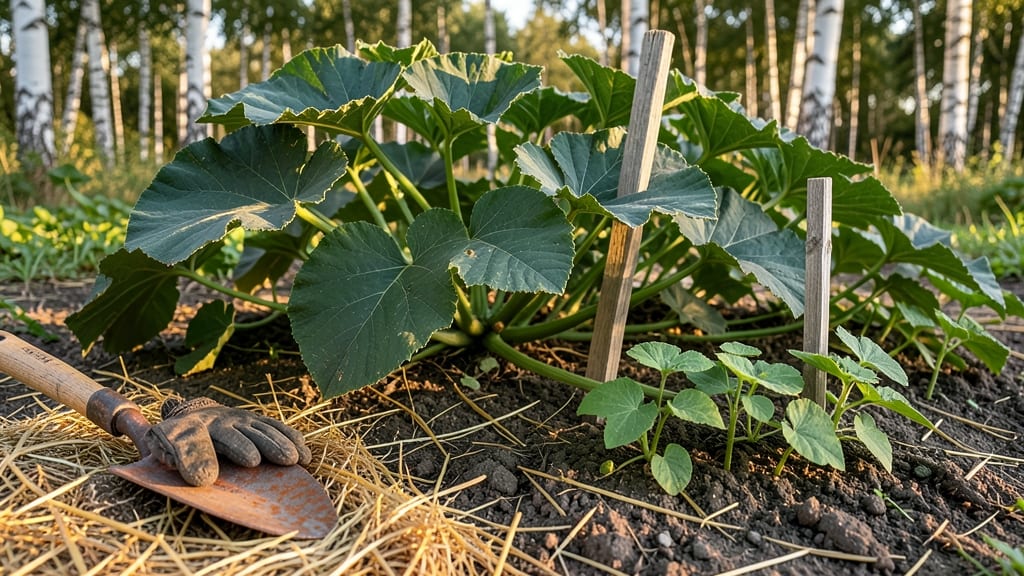
Planting pumpkins in California isn’t just about grabbing seeds and sticking them in the dirt—it’s about mastering the perfect timing to beat the heat, avoid coastal fog delays, and ensure a harvest before summer fades.
With USDA zones 9-10 and microclimates ranging from foggy coasts to scorching valleys, your planting window could stretch from spring to late summer—but get it wrong, and your 🎃 dreams turn to wilted vines.
Here’s the game-changer: coastal gardeners in Zone 10 (think Monterey or Santa Barbara) can start as early as March, while inland valleys like the Central Coast or Sacramento area wait until April or May to avoid premature wilting.
And yes, you can plant again in August-September for a fall harvest—if you’re willing to gamble on summer heat.
I’ll break down the exact months by region, plus pro tips to adjust for your specific climate—whether you’re battling coastal chill or desert dryness. No more guessing games, just zero-frost success and pumpkins so big they’ll make your neighbors jealous.
Ready to turn your backyard into a pumpkin patch? Let’s get those seeds in the ground at the ideal moment for your corner of California.
California pumpkin planting calendar by region: coastal vs. desert vs. valley timelines
California’s three distinct climates—coastal, desert, and Central Valley—each demand different pumpkin planting windows. While most areas enjoy 300+ frost-free days, coastal fog, desert heat, and valley warmth create unique challenges. Let’s break down the optimal planting months for each region to maximize your harvest.
In coastal California (e.g., San Francisco, Santa Barbara), cooler temperatures and morning fog delay soil warming. Here, pumpkin seeds thrive when soil reaches 70°F (21°C), typically between late March and mid-April.
Transplants can go in slightly earlier, around mid-February, but avoid planting before March 15 to prevent cold-sensitive vines from struggling.
For Central Valley (e.g., Sacramento, Fresno), the ideal window stretches from late February to early May. Warmer soils (often hitting 70°F by mid-February) allow for earlier planting, but avoid sowing before February 15 unless you use black plastic mulch to accelerate warming.
This region also supports a second fall crop planted in August.
In desert regions (e.g., Palm Springs, Joshua Tree), extreme heat requires early spring or late summer planting. Start seeds indoors by mid-February for transplants ready by March 1, or sow directly in late August to early September to avoid summer’s peak heat.
Desert soils warm quickly, so monitor soil temperature closely—plant when it’s 80°F+ (27°C+).
🎃 California Pumpkin Planting Comparison
| Region | Best Planting Window | Soil Temp Threshold | Second Crop? | Key Tip |
|---|---|---|---|---|
| Coastal | Late March–Mid-April | 70°F (21°C) | No | Use row covers for early starts |
| Central Valley | Late Feb–Early May | 65°F (18°C) | Yes (August) | Mulch with black plastic for warmth |
| Desert | March 1 or Aug–Sept | 80°F+ (27°C+) | Yes (late summer) | Plant shade cloth for seedlings |
🌡️ Pro Tip: Use a soil thermometer—pumpkin seeds need consistent warmth to germinate.
Direct sowing is preferred for pumpkins—they dislike root disturbance—but starter plants save 2-3 weeks in cooler regions. If using transplants, harden them off for 7-10 days before setting them out.
Coastal gardeners should avoid transplanting before April 1, while desert growers can push it to March 15 with shade protection.
For coastal fog belts, extend your season by planting dwarf varieties like ‘Jack Be Little’ in early April. These mature faster and tolerate cooler soils. In the Central Valley, prioritize spacious varieties like ‘Howden’—they thrive in warm soils and produce large, classic pumpkins by early October.
Desert gardeners should focus on heat-tolerant varieties such as ‘Cinderella’ for late summer plantings. These handle 100°F+ (38°C+) days better than standard types. Always water deeply at dusk in desert climates to prevent shock from extreme daytime heat.
Regardless of region, test your soil pH—California’s native soils are often alkaline (7.5-8.5). Pumpkins prefer 6.0-6.8, so amend with sulfur or peat moss if needed. Well-draining soil is non-negotiable; pumpkins rot in soggy conditions.
Plan for 10-20 feet of vine spread per plant. In small spaces, use trellises or containers for bush varieties like ‘Sugar Pie.’ Space seeds 2-3 feet apart in rows 6 feet apart—this prevents disease and improves airflow.
🎃 Remember: California’s long growing season lets you experiment! Try a second crop in August for a Halloween harvest—just choose fast-maturing varieties like ‘Autumn Gold.’
How to adjust pumpkin planting for California’s microclimates: altitude, fog, and heat zones
California’s microclimates can turn your pumpkin patch into a high-stakes game of climate roulette. Whether you’re in the fog-chilled coast, the high-desert heat, or a sunbaked valley, small tweaks to your planting strategy mean the difference between a bountiful harvest and a wilted disappointment.
Let’s dive into how to adapt your timing and care for these tricky zones.
First, coastal fog zones (like Monterey or Santa Cruz) often stay cooler and wetter than inland areas. Here, pumpkins planted in March or early April can face slow growth due to lingering fog.
To speed things up, use black plastic mulch to warm the soil faster—this can shave off 2-3 weeks of sluggish early growth. Pair that with dwarf varieties like ‘Jack Be Little,’ which mature faster in cooler conditions.
For high-altitude areas (think Sierra foothills or Lake Tahoe outskirts), cooler nights and shorter growing seasons demand a later start. Aim for late April to early May planting, and choose shorter-season varieties like ‘Sugar Pie’ (75-80 days to maturity).
These zones also benefit from row covers in early spring to protect young seedlings from unexpected chills.
Now, if you’re in a desert-adjacent zone (like the outskirts of Death Valley or the Mojave), heat is your enemy. Plant in late summer—August or early September—to avoid the peak 100°F+ temperatures of June and July.
Use shade cloth (30-50% coverage) to protect seedlings, and water deeply at dawn to prevent evaporation. Pro tip: Drip irrigation keeps roots cool while delivering moisture directly.
Even within the same city, microclimates vary. For example, San Francisco’s Sunset District might see cooler, foggier mornings than Golden Gate Park, just a few miles away. Test your soil temperature with a soil thermometer—pumpkin seeds need 70°F+ soil to germinate.
If your soil is still cool in April, wait or use a seedling heat mat for 2-3 weeks to jumpstart growth.
Don’t overlook wind exposure, either. Coastal areas with prevailing winds (like Santa Barbara) need windbreaks (e.g., tall sunflowers or bamboo screens) to prevent root damage and vine stress. In windy zones, plant near a fence or hedge to create a sheltered microclimate for your pumpkins.
Finally, for a second fall crop, many California gardeners try planting in late July or August. This works in cooler inland valleys (like the Central Valley) but fails in hot desert zones.
If you’re taking this risk, start seeds indoors in June, then transplant hardened-off seedlings in early August. Use straw mulch to insulate roots from daytime heat and nighttime chill.
Remember, soil temperature is your best friend. A soil thermometer ($10 at garden centers) will tell you when it’s truly safe to plant—no more guessing.
And if your area has unpredictable weather (like sudden Santa Ana winds or coastal storms), err on the side of planting slightly later rather than risking frost or heat stress.
With these microclimate hacks, you’ll turn California’s quirks into pumpkin-growing advantages. Soon, you’ll be the neighbor with the biggest, ripest 🎃 at the farmers’ market—or at least the one with the most creative excuses for your experimental varieties!