
Plants
Optimal planting months for watermelon in Texas by region (and how to avoid common mistakes)
Texas’s diverse climate means your watermelon planting window depends entirely on your region. In North Texas (Zones 7b-8a), like Dallas or Fort Worth, you’ll want to wait until mid-March to mid-April—after the last frost date (typically March 15) and when soil temperatures hit 70°F+.
Meanwhile, Central Texas (Zones 8a-8b), including Austin, can start as early as late February, while South Texas (Zones 9a-10b), like San Antonio or Houston, enjoys a February to early March window.
Why these dates? Watermelons are heat-loving plants that bolt (produce flowers prematurely) if planted too early. The 70°F soil temperature threshold is non-negotiable—below that, seeds rot, and seedlings weaken.
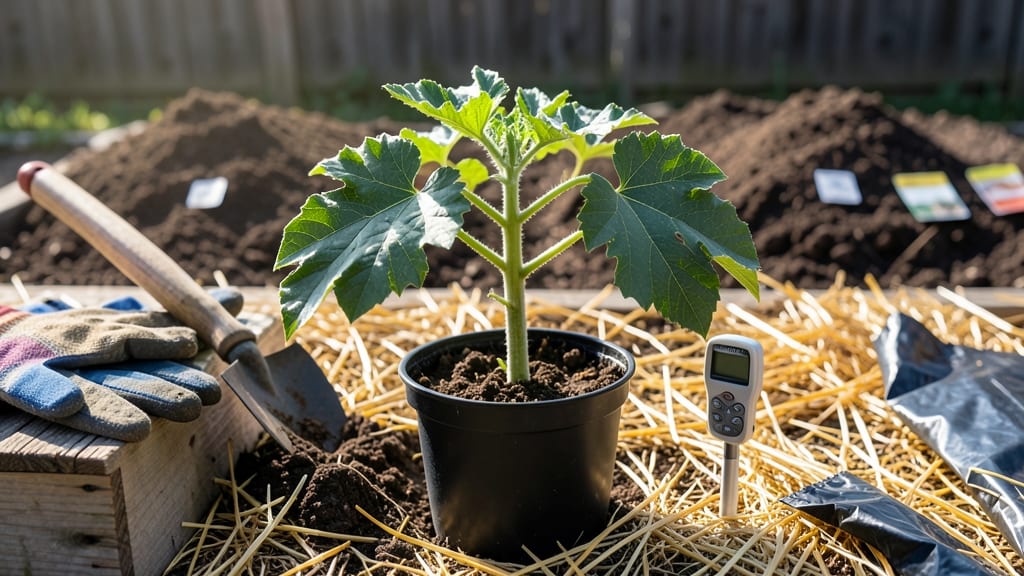
Use a soil thermometer to confirm before sowing. In cooler regions, like the Panhandle, push planting to late April to avoid frost damage.
Here’s the critical timeline: Plant 30-40 days before your last frost for spring crops, but never before soil warms to 70°F. For a fall harvest, aim for July to early August plantings—this gives fruit time to mature before first frost (November 1-December 15).
Miss these windows, and you’ll either lose seedlings or harvest bitter, underripe melons.
🍉
| Region | USDA Zone | Best Planting Window | Soil Temp Threshold | Last Frost Date | Fall Planting Deadline |
|---|---|---|---|---|---|
| North Texas | 7b-8a | Mid-March to mid-April | 70°F+ | March 15 | July 15 |
| Central Texas | 8a-8b | Late February to early March | 70°F+ | February 15 | July 31 |
| South Texas | 9a-10b | February to early March | 70°F+ | January 15 | August 15 |
Avoid these common mistakes that derail Texas watermelon gardens: Planting too early and risking frost damage, ignoring soil temperature (seeds won’t germinate below 70°F), or crowding vines (they need 3-6 feet of space).
In North Texas, a late frost in April can wipe out seedlings, so use row covers or start seeds indoors 2-3 weeks before transplanting. For South Texas, heat stress becomes the enemy—opt for shade cloth during peak summer if extending the season.
Pro tip: Use black plastic mulch to warm soil faster and retain moisture. Lay it down 2-3 weeks before planting to raise soil temps by 5-10°F. This trick lets you plant 1-2 weeks earlier in cooler regions, giving your melons a head start.
Pair it with drip irrigation to keep roots consistently moist without wetting leaves (which invites fungal diseases like powdery mildew).
For fall harvests, time it right: Plant in July or early August to ensure fruit matures before frost. Choose shorter-season varieties (like 'Sugar Baby', which ripens in 70 days) to beat the clock.
In North Texas, aim for a September harvest; in South Texas, you might squeeze in a late-October crop.
🌱
One more critical rule: Never plant watermelon in the same spot two years in a row. The soil-borne fusarium wilt fungus thrives in watermelon residues. Rotate crops with beans, corn, or grasses to break the disease cycle.
If you’re short on space, solarize the bed in summer (cover with clear plastic for 4-6 weeks) to kill pathogens before replanting.
Finally, watch for heat waves after planting. If temperatures soar above 95°F, watermelons may drop flowers or produce small, misshapen fruit. Use shade cloth (30-50%) during the hottest hours (11 AM–3 PM) to protect young plants.
Mulch heavily with straw or wood chips to insulate roots and conserve moisture—this is especially crucial in West Texas, where summer heat can be brutal.
☀️
Optimal planting months for watermelon in Texas by region (and how to avoid common mistakes)
Texas spans three distinct climate zones, each with its own frost-free windows and soil temperature thresholds. In North Texas (USDA Zones 8a-8b), watermelons thrive when planted between mid-March and mid-April, after the last frost date—typically around February 15 to March 15.
Meanwhile, Central and South Texas (Zones 8b-10b) can start as early as late January to early March, thanks to milder winters.
Wait until soil temperatures hit at least 70°F—cold soil slows germination and invites root rot. Use a soil thermometer to confirm readiness, especially in North Texas, where early springs can linger chilly. Black plastic mulch warms soil faster and jumpstarts growth by 5-7 days.
| Region | Last Frost | Best Planting Window | Soil Temp Threshold | Harvest Window |
|---|---|---|---|---|
| North Texas (Zones 8a-8b) | Feb 15 - Mar 15 | Mid-March to mid-April | 70°F+ | June to August |
| Central Texas (Zones 8b-9a) | Jan 15 - Feb 15 | Late Jan to early March | 70°F+ | May to September |
| South Texas (Zones 9b-10b) | Dec 15 - Jan 15 | February to early March | 70°F+ | April to October |
Avoid the two biggest mistakes Texas gardeners make: planting too early (risking frost) or too late (skipping the 75-day maturity window before fall frosts).
For North Texas, aim for a July harvest by planting in April—any later, and your melons may not ripen before the first frost in November. In South Texas, you can stretch your season with a fall planting in July for a September-October harvest.
For container growers, start seeds indoors 4-6 weeks before your last frost date. Use biodegradable pots to transplant seedlings without disturbing roots.
Harden off plants by placing them outdoors for 2-3 hours daily the week before transplanting. Direct sowing is best for South Texas, where warm soils and long growing seasons reduce transplant shock.
Watch for false starts: some years, a cold snap hits in April, delaying planting. Keep seedling trays ready to go indoors until soil temps stabilize. Row covers can buy you 2-3 extra weeks of protection if frost threatens.
Always choose heat-tolerant varieties like 'Sugar Baby' or 'Crimson Sweet'—they handle Texas’s 100°F+ heat better than standard types.
After planting, mulch heavily with straw or shredded leaves to retain moisture and regulate soil temps. Drip irrigation is ideal—it delivers consistent moisture without wetting foliage (which spreads disease). In August-September, reduce watering slightly to encourage sweeter fruit as ripening nears.