
Plants
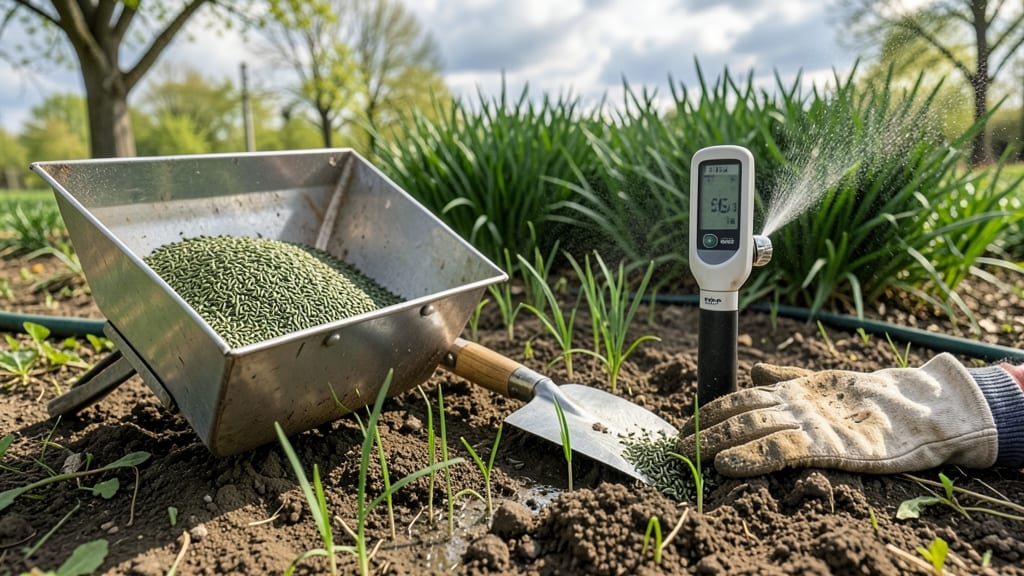
Timing your spring grass planting just right can mean the difference between a thick, vibrant lawn and one that struggles to take root. The 4-week window before the last frost is your golden opportunity to get grass established before summer heat sets in.
If you're in USDA Zone 6a like many gardeners, that typically means planting in early April—when soil temperatures hit that sweet spot of 55-65°F for optimal germination.
But here's the catch: planting too early risks frost damage, while waiting too long means your grass may bolt or struggle in the heat.
I'll walk you through exactly how to pinpoint your local planting window, prepare your soil for success, and avoid common mistakes that kill grass before it even gets started. Let's make sure your 🌱 lawn grows strong from day one.
Whether you're seeding a new yard or overseeding an existing one, this is your step-by-step guide to getting it right the first time. No more guesswork—just a lush, healthy lawn that stands up to whatever spring throws your way.
The ideal 4-Week pre-frost window for spring grass planting
Timing your grass planting within the 4-week pre-frost window is the golden rule for a thick, healthy lawn. This window ensures seeds germinate and roots establish before cold snaps arrive.
For most regions, this means planting 4-6 weeks before your average first frost date—typically late March to early April in USDA Zones 5-7.
Cool-season grasses like Kentucky bluegrass and fescue thrive when planted in early spring, while warm-season types such as Bermuda or Zoysia prefer late spring or summer. The key is soil temperature: aim for 55-65°F—too cold, and seeds won’t sprout; too hot, and they’ll dry out.
Your local USDA hardiness zone is your best guide. For example, Zone 5 (like Chicago) has a frost window of May 15, so planting by April 15 gives roots time to anchor.
Zone 8 (like Dallas) can plant until June 1, but warm-season grasses need 75-85°F soil for germination.
Use this summary table to align your planting with soil temps, frost risk, and grass type for foolproof success:
| Factor | Cool-Season Grass | Warm-Season Grass |
|---|---|---|
| Soil Temp | 55-65°F | 75-85°F |
| Frost Window | 4-6 weeks before frost | After last frost |
| Best Months | March-April | May-June |
| Germination Time | 7-21 days | 10-28 days |
| Root Depth Goal | 4-6 inches | 3-5 inches |
Check your last frost date via the USDA Plant Hardiness Zone Map and count backward. Pro tip: Plant 2-3 weeks earlier in cooler microclimates (like shaded areas) to compensate for slower warming.
If you’re in a drought-prone area, like the Southwest, prioritize deep watering over strict timing—grass seeds need consistent moisture to break dormancy. Use a soil thermometer ($10 at garden centers) to verify temps before planting.
Overseeding in late summer (August-September) is another strategy for cool-season grasses, but spring planting gives roots 3-4 months to strengthen before winter. Avoid planting too early—cold, wet soils can rot seeds before germination.
For warm-season grasses, wait until after Memorial Day in most regions. These grasses go dormant in fall, so early planting risks weak growth. Test soil moisture with your finger—it should feel like a wrung-out sponge at planting time.
My #1 rule? Don’t rush. If your local weather forecast shows a 50% chance of frost in 2 weeks, delay planting until conditions stabilize. A delayed start beats patchy, weak grass every time.
🌱
The ideal 4-Week pre-frost window for spring grass planting
Understanding the 4-week pre-frost window is the key to timing your spring grass planting perfectly. For cool-season grasses like Kentucky bluegrass or fescue, aim to plant 4-6 weeks before your average last frost date—typically mid-March to early April in USDA Zone 6a.
This window ensures seeds germinate before summer heat stresses them.
Warm-season grasses like Bermuda or Zoysia, however, prefer late spring planting (after soil warms to 65-75°F), usually May-June. The difference comes down to soil temperature, not just calendar dates. A soil thermometer is your best friend here!
Here’s why timing matters: Cool-season grasses need consistent moisture and cooler temps to establish roots, while warm-season types thrive in hotter conditions. Planting at the wrong time risks poor germination or bolting (premature flowering).
| Grass Type | Ideal Planting Window | Soil Temp Threshold | Key Risk if Late |
|---|---|---|---|
| Cool-Season (Fescue, Bluegrass) | 4-6 weeks before last frost (March-April) | 55-65°F | Frost damage, slow growth |
| Warm-Season (Bermuda, Zoysia) | After last frost (May-June) | 65-75°F | Heat stress, poor germination |
To calculate your local window, check your USDA hardiness zone and subtract 4 weeks from your average last frost date. For example, if frost hits October 15, plant by September 15 for cool-season grasses. Pro tip: Use a frost calendar from your local extension office for precision.
Regional differences matter too. Northern states (like Minnesota or Maine) may need earlier planting, while Southern states (like Texas or Florida) can wait until late spring. Always prioritize soil temperature over calendar dates—it’s the real indicator of readiness.
Once you’ve nailed the timing, focus on seed selection and soil prep. Cool-season grasses like tall fescue handle shade better, while warm-season types like centipede grass thrive in heat. Match your grass to your climate for the best results!