
Watering
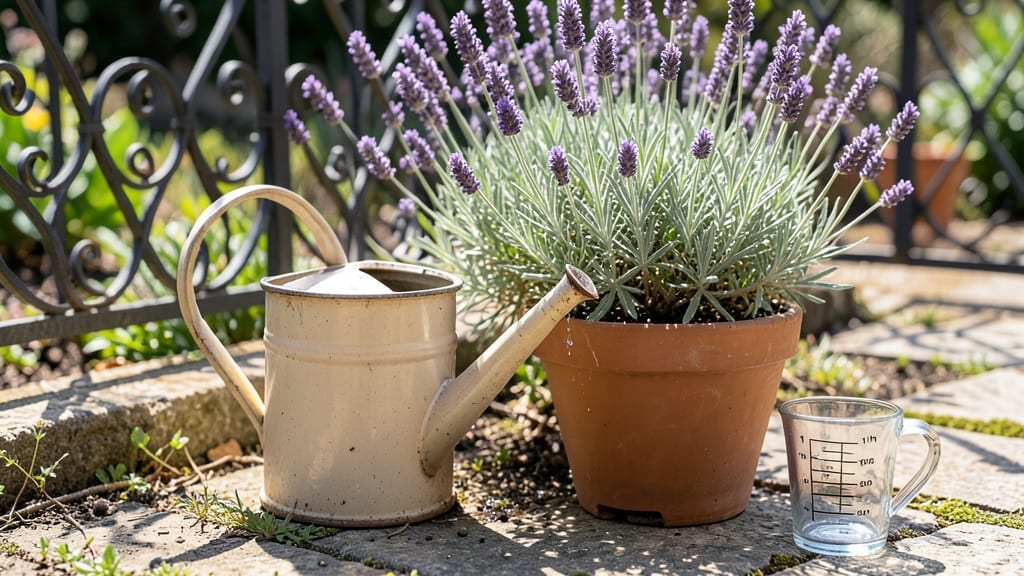
How much water lavender needs: the perfect weekly schedule by season
Lavender thrives on minimal watering, but getting the balance right is key—too little causes drought stress, while too much leads to root rot. As someone who’s lost lavender plants to both extremes, I’ve learned that seasonal adjustments and soil moisture checks are non-negotiable.
Unlike thirsty annuals, lavender stores water efficiently, making it one of the most drought-tolerant perennials for sunny gardens.
Your lavender’s water needs shift dramatically with the seasons. In spring and fall, when growth is active but not extreme, aim for deep watering every 2 weeks. Summer demands caution—water every 3-4 weeks unless your region hits 90°F+ temperatures, where you might need to water biweekly.
Winter slows everything down, so monthly watering (or less) keeps roots happy without encouraging rot.
🌱 Lavender Watering Schedule by Season
| Season | Frequency | Soil Check | Notes |
|---|---|---|---|
| Spring | Every 2 weeks | Top 2" dry | Increase if planting new lavender |
| Summer | Every 3-4 weeks | Top 3" dry | Reduce in extreme heat |
| Fall | Every 3 weeks | Top 2" dry | Taper as temps drop |
| Winter | Monthly or less | Top 1" dry | Avoid soggy soil |
Here’s my foolproof method for checking soil moisture: Stick your finger 2-3 inches deep into the soil. If it feels dry, water deeply until moisture reaches 6 inches down. Pro tip: Use a moisture meter for containers—lavender in pots dries out faster than in-ground plants.
I’ve found that morning watering (before 10 AM) prevents evaporation and fungal risks that plague evening watering.
New lavender plants need more frequent watering—about once a week for the first month—to establish roots. After that, follow the seasonal schedule. One mistake I made early on was assuming established lavender could handle weekly deep soaks.
Within days, the leaves turned yellow, and the stems softened—a classic sign of overwatering. Always err on the side of underwatering unless you’re certain the soil is bone-dry.
Container-grown lavender requires special attention. Pots dry out faster, so check soil moisture every 5-7 days in summer. Use terracotta pots for better drainage—plastic traps moisture and risks root rot.
I’ve had success with gravel layers at the bottom of containers to improve airflow. For in-ground lavender, amend heavy soil with sand or perlite to mimic its native Mediterranean conditions.
Rainwater is ideal for lavender, but tap water works in a pinch. The key is avoiding chlorine buildup—let tap water sit out for 24 hours before using. Mulching with gravel or pebbles (not organic mulch) helps retain moisture without suffocating roots.
I’ve seen lavender thrive in rock gardens where mulch isn’t used at all—just well-draining soil and occasional deep watering.
Watch for wilting leaves midday, which is normal in heat, but if they stay wilted into the evening, your lavender is thirsty. On the flip side, mushy stems or yellowing foliage signals overwatering. My lavender’s bloom count dropped after I overwatered last summer—lessons learned!
Adjust your schedule based on your local climate. Coastal areas may need more frequent watering due to humidity, while desert gardens can stretch watering to 6 weeks in summer.
One final tip: Prune after watering to encourage bushier growth. I prune my lavender in late spring right after a deep watering session. This timing helps the plant recover faster and directs energy toward new growth rather than stress.
Pair this with the right watering routine, and your lavender will reward you with abundant purple blooms for years to come.
Signs your lavender is overwatered or underwatered (and how to fix it)
Lavender is famously drought-tolerant, but even this hardy herb can show distress if you water it too much or too little. The key is learning its subtle signals—yellowing leaves or drooping stems often mean your lavender is crying out for help.
Let’s decode these signs so you can rescue your plant before it’s too late.
Overwatering is the #1 killer of lavender, often disguised as "good intentions." When roots sit in soggy soil, they suffocate, leading to mushy stems and blackened leaves.
Underwatering, while less deadly, causes crispy edges and gray-green foliage that feels dry to the touch. Both issues share one common fix: adjusting your watering routine.
⚠️ Warning: Overwatered Lavender
- Mushy stems at the base
- Yellow leaves with brown edges
- Foul odor from soggy soil
- Fungal spots (white or gray)
💧 Fix: Stop watering immediately. Let soil dry completely for 3-5 days. Trim dead stems with sterile shears to prevent spread.
If your lavender looks wilted but dry, it’s thirsty—not drowning. Underwatered lavender often recovers faster than overwatered plants, but don’t drown it in water afterward. Instead, give it a deep soak in the morning, then let the top 2-3 inches of soil dry out before watering again.
For container-grown lavender, check soil moisture daily during heatwaves. Containers dry out faster, and roots can’t escape excess water. If your potted lavender’s soil feels clay-like when squeezed, it’s overwatered. If it crumbles like dust, it’s parched.
Pro tip: Use your finger test—stick your index finger 1-2 inches into the soil. If it’s damp, wait. If it’s bone-dry, water thoroughly. This simple habit saves more lavender plants than any fancy tool.
Remember, lavender’s resilience comes from its Mediterranean roots—it’s built to survive dry spells. Trust the plant: If it’s struggling, it’s likely your watering schedule (not the weather) that’s the problem. Adjust, observe, and soon your lavender will reward you with vibrant blooms and that signature fragrance. 🌿