
How To
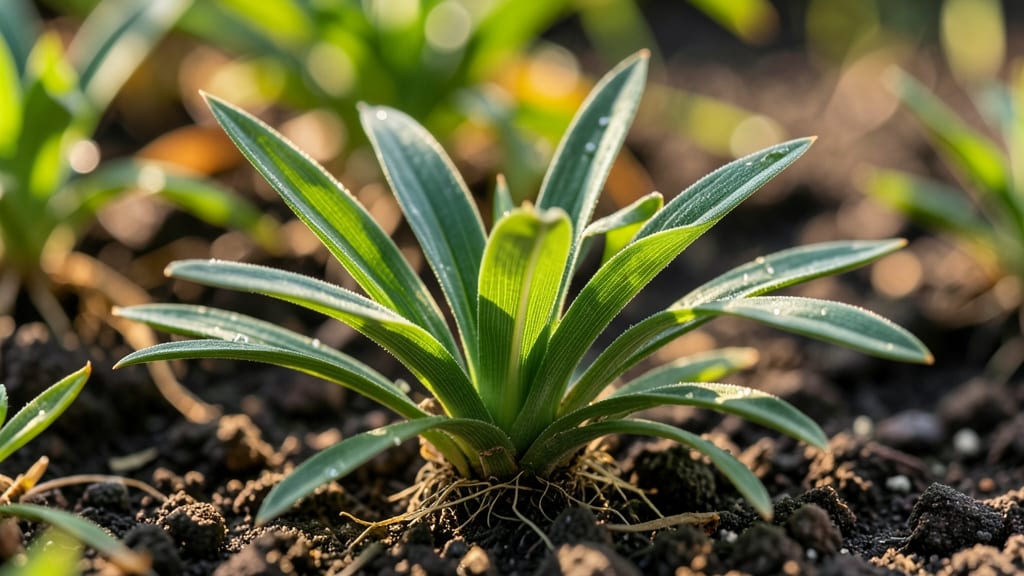
Planting centipede grass seed in Florida at the wrong time can leave you staring at bare soil while your neighbors enjoy a lush, heat-resistant lawn. The key to success lies in timing—specifically, that late spring to early summer window when soil temperatures hit the sweet spot for germination.
If you’ve ever wondered why some Florida lawns thrive in the summer heat while others struggle, the answer starts with understanding your 🌱 centipede grass’s natural rhythm.
This drought-tolerant grass isn’t just about surviving Florida’s climate—it’s about thriving in it, provided you plant it when the conditions are just right.
In this guide, I’ll break down the ideal planting window (May through June), soil temperature requirements, and how to prepare your yard for maximum success. Whether you’re a first-time gardener or a seasoned pro, these tips will help you avoid common mistakes and set your lawn up for long-term health.
Let’s dive into the exact steps to plant your centipede grass seed at the perfect time—so you can enjoy a green, resilient lawn all summer long without the guesswork.
Best planting window for centipede grass seed in Florida’s climate
Florida’s humid heat and variable rainfall demand precision when planting centipede grass seed. The ideal window spans late April through June, aligning with soil temperatures above 75°F—critical for germination. This heat-loving grass struggles in cooler months, so timing is everything for a thick, resilient lawn.
In North Florida (zones 8a-9a), aim for May 15 to June 15 when daytime highs consistently exceed 80°F. South Florida (zones 10a-11) gardeners have a broader window—April 15 to July 1—thanks to warmer winters and longer growing seasons.
Centipede grass thrives in Florida’s summer heat, but late spring planting gives seedlings time to establish roots before peak summer rains. Avoid planting in August or later, as hurricane season increases fungal risks and weakens young grass.
Soil temperature is your #1 indicator. Use a soil thermometer to confirm readings of 75°F+ at 4-inch depth. If temperatures dip below 65°F, germination slows dramatically, leading to patchy lawns.
Rainfall patterns also dictate success. Florida’s summer thunderstorms can wash away seeds or drown seedlings. Plant when forecasts show 1-2 dry weeks to ensure consistent moisture without waterlogging.
For North Florida, watch for last frost dates (typically January 15), but centipede grass tolerates light freezes once established. South Florida gardeners face no frost risk, but humidity spikes in June may require extra vigilance against fungal diseases.
| Region | Ideal Planting Window | Soil Temp Requirement | Key Risk |
|---|---|---|---|
| North Florida (8a-9a) | May 15 - June 15 | 75°F+ at 4" | Fungal diseases (high humidity) |
| Central Florida (9b-10a) | April 20 - June 30 | 70°F+ at 4" | Hurricane season (Aug-Oct) |
| South Florida (10b-11) | April 15 - July 1 | 68°F+ at 4" | Saltwater intrusion (coastal areas) |
Missed the spring window? Don’t panic—fall planting (September-October) is possible in North Florida, but South Florida’s heat makes summer the only viable option. Always test soil pH (5.0-5.5) and drainage before planting to avoid common pitfalls.
Pro tip: Mulch lightly after seeding to retain moisture without smothering young sprouts. Use straw mulch (not wood chips) to prevent fungal buildup in Florida’s damp climate.
Centipede grass’s drought tolerance kicks in after 6-8 weeks of establishment. Planting in late May ensures full root development before Florida’s dry season (November-April), giving your lawn a head start against summer stress.
🌱
How to prepare soil and seed for Florida’s heat before planting
Before you even think about scattering centipede grass seed in your Florida yard, the real work begins with soil preparation. This grass thrives in acidic, well-draining soil with a pH between 5.0 and 5.5—far from the alkaline conditions common in many Florida soils.
Without proper prep, your seeds will struggle to germinate, even if you plant them at the perfect time.
Start by testing your soil’s pH using a home testing kit or send a sample to your local extension office. If your soil is too alkaline, amend it with sulfur or peat moss 4-6 weeks before planting.
This gives the soil time to adjust, especially in Florida’s intense heat where chemical reactions happen faster.
Next, focus on improving drainage and organic matter. Centipede grass hates soggy roots, so avoid planting in low-lying areas where water pools. Instead, choose a slightly elevated spot or create gentle slopes to encourage runoff.
Mix in 2-3 inches of compost or aged manure to boost fertility without overwhelming the soil.
When selecting your centipede grass seed, opt for pure varieties like 'Tifton 9' or 'Floratam' rather than mixed blends. These types are bred specifically for Florida’s climate and offer better heat tolerance.
Avoid seeds labeled as "shade-tolerant" unless your lawn receives minimal sunlight—these often germinate slower and produce weaker grass.
Finally, time your watering schedule carefully. Centipede grass seeds need consistent moisture to germinate, but too much water can drown them or promote fungal growth. Water lightly twice daily (early morning and late afternoon) for the first 10-14 days, keeping the soil evenly damp but not soggy.
Once sprouts appear, reduce to deep, infrequent watering to encourage strong root development.
With these prep steps, your centipede grass will have the best possible start—setting the stage for a thick, drought-resistant lawn that outlasts Florida’s summer heat. The effort upfront pays off in lush, low-maintenance grass that requires far less water once established. 🌱