
Plants
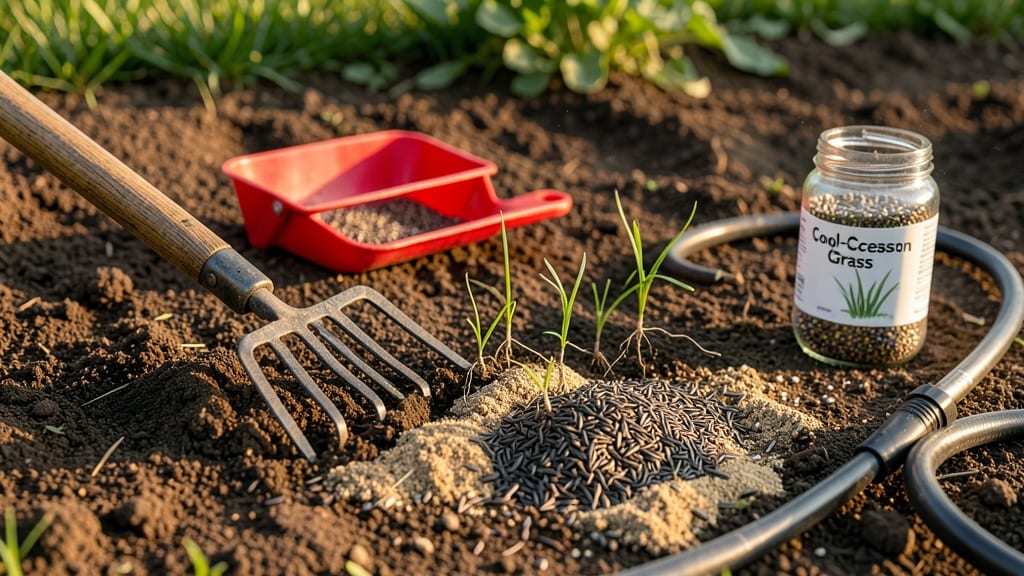
Planting grass seed in the fall isn't just smart—it's the secret weapon for a lush, weed-free lawn next spring. The key lies in timing: too early, and weeds steal the show; too late, and frost halts growth before roots take hold.
For USDA Zone 6a, aim to plant 4-6 weeks before your first frost—typically in early to mid-September.
Why does this window matter? Cooler fall temperatures reduce stress on seedlings, while shorter days signal grass to focus on root growth rather than leaf production.
This means stronger turf that survives winter and bursts into life in spring. Plus, fewer weeds compete for resources when you plant at the right time.
I’ll walk you through exactly how to calculate your local frost date, choose the best grass seed for your climate, and prepare your soil for success.
Whether you're a first-time planter or a seasoned gardener, these steps will help you avoid common pitfalls and set your lawn up for long-term health.
Ready to transform your patchy yard into a vibrant carpet of green? Let’s get started with the 5-week pre-frost rule and the tools you need to make it happen.
The 5-Week pre-frost rule: exact timing for fall grass seed planting
Fall is my favorite time to plant grass seed because cooler temperatures and fewer weeds create ideal conditions for new growth. But timing is everything—plant too early, and weeds will outcompete your seedlings.
Too late, and frost will stunt root development. The 5-week pre-frost rule is your golden window for success.
This rule means planting grass seed 4–6 weeks before your first expected frost date. Why? Grass needs time to establish roots before winter dormancy. In most U.S. regions, this window falls between mid-September and early October, but exact dates vary by climate zone.
To find your local frost date, check the USDA Plant Hardiness Zone Map or consult your local cooperative extension service. For example, in Zone 5, aim for planting by October 1st, while in Zone 8, you might extend it to November 1st.
Adjust based on your region’s microclimate—valleys and low-lying areas frost earlier.
🌱 Key Takeaway
Plant grass seed 4–6 weeks before frost for strong root establishment. Use the USDA Zone Map to pinpoint your ideal window.
Northern climates (Zones 3–6) should prioritize early fall planting—late August to mid-September—to avoid early frosts. Southern regions (Zones 7–10) have more flexibility, often planting until November, but avoid late fall when soil temperatures drop below 50°F.
Soil temperature is critical: grass seed germinates best between 60–75°F. Use a soil thermometer to monitor conditions. If temperatures dip below 50°F before germination, delay planting until conditions improve.
Weeds thrive when grass seedlings are weak, so timing matters. Planting in the 5-week window ensures your grass establishes before weeds gain a foothold. Cooler fall air also reduces stress on new seedlings compared to hot summer planting.
For regions with unpredictable weather, err on the earlier side of the window. If frost arrives sooner than expected, protect seedlings with a lightweight frost blanket or row cover. Avoid heavy mulch, which can suffocate young grass.
Pro tip: If your area has mild winters (Zones 8–10), you can extend planting into early December, but monitor soil temperatures closely. Grass planted in late fall may not fully establish before winter but will still benefit from spring growth.
Remember, the goal is root development, not immediate green-up. Grass planted in fall will emerge slowly but establish a deep, resilient root system that thrives in spring. Follow this rule, and you’ll skip the summer planting struggles entirely.
The 5-Week pre-frost rule: exact timing for fall grass seed planting
Fall planting gives grass seed a 4–6 week head start before winter dormancy. This 5-week pre-frost rule ensures roots establish before cold sets in. Check your local first frost date—most northern U.S. zones aim for September–early October, while southern regions can extend to November.
For example, in USDA Zone 6a, planting by October 15 gives seeds time to germinate before November 15 frost.
Why does timing matter? Cooler fall temps slow weed growth, giving grass seedlings a competitive edge. Soil temperatures between 60–75°F are ideal for germination, while air temps above 80°F can stress young plants. Use a soil thermometer to confirm—if temps drop below 50°F, growth stalls until spring.
Northern climates (Zones 3–5) should plant 4–5 weeks before frost, while milder southern zones (Zones 7–9) can push to 6 weeks out.
For instance, in Zone 7b, aim for October 1–15. Always adjust for unpredictable weather—if early frost looms, delay planting by 1–2 weeks.
To calculate your personal planting window, subtract 5 weeks from your average first frost date. Use the National Weather Service or local cooperative extension service for precise data.
For example, if frost hits November 1, plant by September 20. Pro tip: Test soil moisture—dry conditions delay germination, while soggy soil suffocates seeds.
Adjust for microclimates: Low-lying areas frost earlier, while south-facing slopes stay warmer. If your yard has shady spots, choose shade-tolerant varieties like fine fescue and plant 1–2 weeks later than sunny areas. Always mow existing grass short (1–2 inches) before seeding to improve seed-to-soil contact.
Remember: Fall planting = spring payoff. Grass seeded in September–October often outpaces spring plantings by 30–50% due to reduced weed competition and established roots before winter. Start early, but don’t rush—patience now = lush lawn later.