
Planting
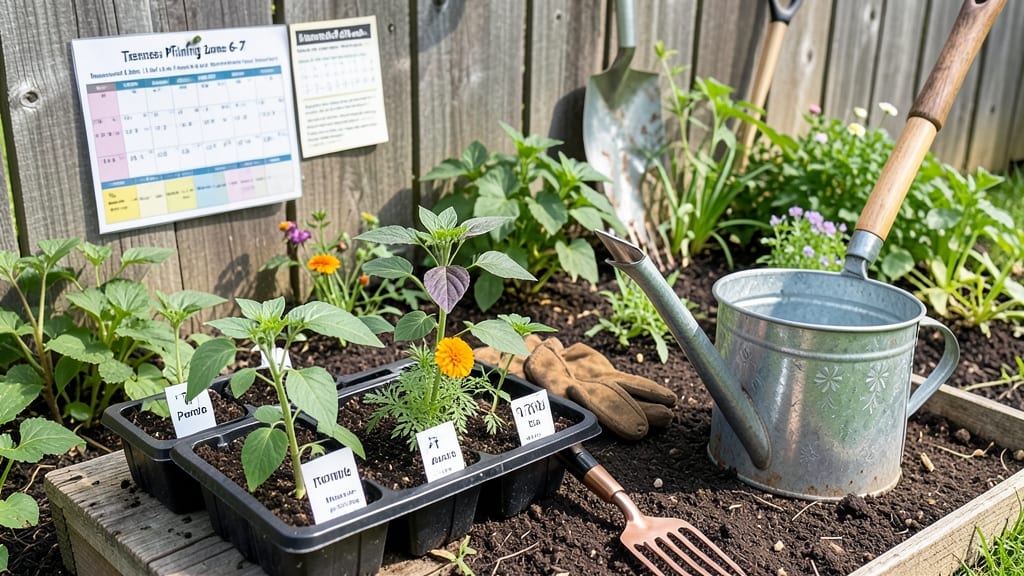
The best time to plant a garden in Tennessee isn’t just about the calendar—it’s about beating frost, avoiding pests, and working with your region’s unique microclimates. Whether you’re in the cooler Appalachian foothills or the warmer Mississippi Delta, planting too early or too late can mean the difference between a bountiful harvest and wasted effort.
For Garden Vegetables & Flowers (General) 🌱, timing is everything. Tennessee’s 6a-7b zones mean cool-season crops like lettuce and peas should hit the soil 4–6 weeks before your last frost date, while tomatoes and peppers need to wait until after that frost has passed—usually by mid-April in most areas.
But here’s the catch: East Tennessee’s chill lingers longer than West Tennessee’s warmth, so your exact window matters.
I’ll break down the optimal planting windows for your specific location, including when to start seeds indoors, how to prep your soil for success, and which crops thrive in Tennessee’s two planting seasons. No more guessing—just science-backed deadlines to maximize your garden’s potential.
Ready to transform your backyard into a thriving oasis? Let’s dive into the exact months to plant, region by region, so you can enjoy fresh harvests all season long.
Tennessee’s planting zones & frost dates: a region-by-region breakdown
Tennessee’s gardening success starts with understanding its USDA hardiness zones 6b-8a and frost dates, which vary dramatically from the cool Appalachian highlands to the warmer Mississippi Delta.
These differences mean your last frost date could be as early as March 15 in East Tennessee or as late as April 15 in West Tennessee. Knowing your zone helps you time cool-season crops (like spinach) and warm-season plants (like tomatoes) perfectly for your microclimate.
For example, Nashville (Zone 7a) typically sees its last frost around April 1, while Memphis (Zone 7b) averages March 20. Knoxville (Zone 6b), nestled in the mountains, often experiences frost until April 10.
These dates dictate when to start seeds indoors or plant directly in the ground. Missing the window by even a week can mean stunted growth or total crop failure due to unexpected frosts or heatwaves.
To find your exact last frost date, check the Tennessee State University Extension or use the USDA Plant Hardiness Zone Map. For most gardeners, March is the magic month—it’s when you’ll prep soil, sow early crops, and monitor weather forecasts for that critical last frost warning.
In West Tennessee’s warmer zones (7b-8a), you might even squeeze in two harvests per year by planting warm-season crops like okra or sweet potatoes in late spring and again in early summer.
Here’s a quick breakdown of Tennessee’s key planting zones and frost dates to help you plan:
| Region | USDA Zone | Avg. Last Frost | Avg. First Frost | Growing Season |
|---|---|---|---|---|
| East Tennessee (e.g., Knoxville, Chattanooga) | 6b | March 15–April 1 | October 15–20 | 180–200 days |
| Middle Tennessee (e.g., Nashville, Murfreesboro) | 7a | March 20–April 5 | October 5–15 | 200–220 days |
| West Tennessee (e.g., Memphis, Jackson) | 7b–8a | March 20–April 15 | October 10–20 | 220–240 days |
If you’re in Zone 6b (East TN), focus on early spring planting (March) for cool-season crops like broccoli and peas, while Zone 7b-8a (West TN) gardeners can extend their season by planting warm-season crops like cucumbers and squash as early as mid-April.
The key is to plant after the last frost and use row covers or cold frames to protect tender seedlings in cooler zones.
Pro tip: Use a soil thermometer to check if the ground has warmed to 50°F+ before planting warm-season crops. In West Tennessee, soil temps often hit this threshold by mid-April, while East Tennessee may need to wait until late April.
This small detail can mean the difference between thriving tomatoes and leggy, weak plants.
For fall planting, aim to sow cool-season crops like kale or radishes by August 1 in most of Tennessee. This gives them time to mature before the first frost, which typically arrives between mid-October and late October.
In Zone 8a (far West TN), you might even push this to early September for a late harvest.
Remember, these dates are averages—always check your local National Weather Service or agricultural extension office for updates. A late frost in April can wipe out your early tomato transplants, while an early heatwave in May might stress out cool-season greens.
Stay flexible and be ready to adjust your planting schedule based on real-time weather.
Now that you’ve got your frost dates and zones locked in, let’s dive into cool-season crops and the exact months to plant them for a bumper harvest in Tennessee’s climate. 🌱
Cool-season crops in Tennessee: what to plant & when (with exact months)
If you’re dreaming of crisp lettuce, sweet peas, or hearty kale, cool-season crops are your best bet for early Tennessee gardens. These plants thrive in 50–70°F temperatures and can even handle light frosts—making them perfect for planting 4–6 weeks before your last frost date.
In East Tennessee (USDA Zone 6b), that means starting as early as late February, while West Tennessee (Zone 7b) gardeners can wait until mid-March.
For a continuous harvest, I recommend succession planting every 2–3 weeks until early May. This ensures you’re never without fresh greens or root vegetables. For example, sow a batch of ‘Sugar Snap’ peas in early March, then repeat in April for a summer crop.
The key is to space plantings so that as one batch matures, another is ready to take its place.
Cold-hardy varieties like ‘Winterbor’ kale, ‘Ruby Streak’ radishes, and ‘Early Wonder’ peas are my top picks for Tennessee gardens—they tolerate 20–25°F without fuss. To give them a head start, I always amend the soil with compost or aged manure in late winter. This boosts fertility and warms the soil faster, helping seedlings establish roots before the rush of spring growth.
Don’t overlook fall planting for cool-season crops—it’s a Tennessee gardener’s secret weapon! After your first frost (typically mid-October), you can sow spinach, radishes, and arugula for a winter harvest.
These crops thrive in the cooler temps and often taste sweeter after a light frost. Just be sure to cover seedlings with row fabric if a hard freeze is forecasted.
Pro tip: Use straw mulch around your cool-season plants to insulate roots and retain moisture. This is especially critical in Tennessee’s unpredictable spring weather, where daytime highs of 70°F can drop to 40°F at night. Mulching keeps the soil temperature stable, giving your plants the best chance to thrive.
Ready to plan your cool-season garden? Grab a notebook and mark your calendar—late February to early May is your window for success. With the right timing and a little preparation, you’ll be feasting on homegrown goodness all season long. 🌱