
Planting
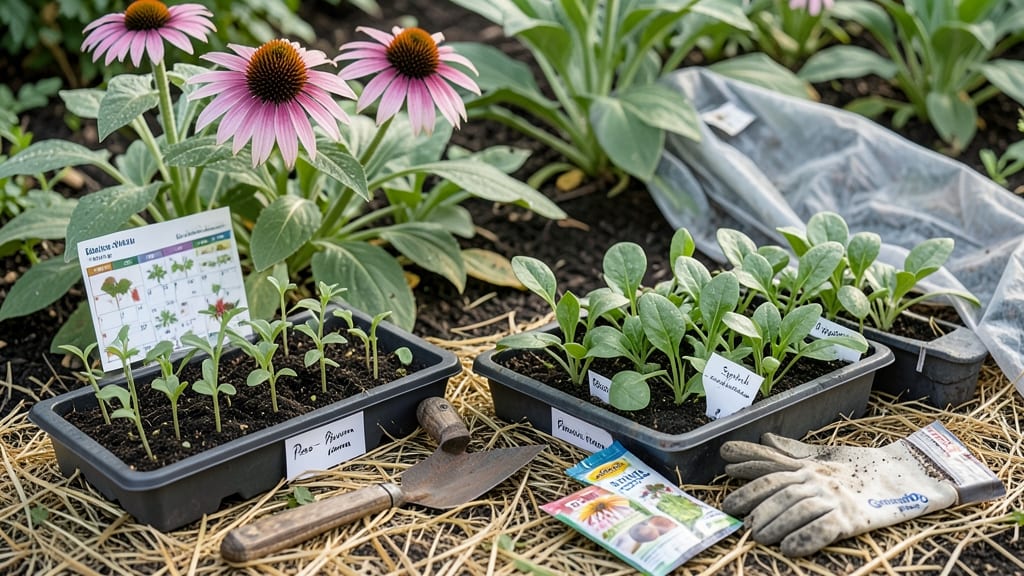
When to plant a garden in Minnesota isn’t just about the calendar—it’s about beating frost, warming soil, and making the most of that short but sweet growing season. Plant too early, and a late frost could wipe out your hard work; too late, and you’ll miss the chance to grow heat-loving crops like tomatoes and peppers.
I’ve gardened here for years, and the key is knowing when to start seeds indoors, when to transplant tender seedlings, and which crops can handle Minnesota’s unpredictable spring.
Whether you’re in Minneapolis, Duluth, or Rochester, the right planting window makes all the difference between a thriving harvest and a disappointing one.
From cool-season favorites like peas and spinach to warm-season staples like zucchini and peppers, I’ll break down the exact frost-free deadlines by zone. You’ll learn how to adjust for late frosts, extend the season with row covers, and even salvage a crop if Mother Nature throws a curveball.
Ready to turn your Minnesota garden into a productivity powerhouse? Let’s dive into the planting schedule that’ll help you grow more, waste less, and enjoy fresh produce all season long.
Minnesota frost-free planting dates by hardiness Zone (4-5)
Minnesota’s USDA hardiness zones 4a-5b create a tight window for planting—just 100-120 frost-free days in most areas. Knowing your last average frost date (typically May 10-20 in southern MN and June 1-10 in northern regions) is critical.
For example, Minneapolis (Zone 4b) averages its last frost on May 15, while Duluth (Zone 4a) waits until May 25.
Warm-season crops like tomatoes and peppers need soil temperatures above 55°F (13°C)—wait until two weeks after your last frost date. Cool-season crops such as spinach and peas can handle light frosts and should go in 2-4 weeks before your last frost.
Always check local almanac records for your specific microclimate, as urban areas like Minneapolis can be 2-3°F warmer than rural zones.
Here’s how to use this zone-specific planting guide:
| Zone & Location | Last Frost Date | Plant Warm-Season Crops | Plant Cool-Season Crops |
|---|---|---|---|
| Zone 4a (Duluth, Brainerd) | May 25 | June 10 (soil ≥55°F) | April 15–May 10 |
| Zone 4b (Minneapolis, St. Paul) | May 15 | May 30 (soil ≥55°F) | April 1–April 20 |
| Zone 5a (Rochester, Winona) | May 10 | May 20 (soil ≥55°F) | March 20–April 10 |
| Zone 5b (Southwest MN) | May 5 | May 15 (soil ≥55°F) | March 15–March 30 |
For warm-season crops, count backward from your first average frost date (typically September 20-30) to determine when to plant. For example, if your frost date is September 25 and tomatoes take 90 days to mature, plant by June 15.
Use row covers to extend your season by 2-3 weeks in both spring and fall.
Northern Minnesota gardeners in Zone 4a should focus on fast-maturing varieties like bush beans (50 days) or radishes (25 days). Southern zones (5a/5b) can grow longer-season crops such as zucchini (55 days) or cabbage (85 days).
Always adjust for soil temperature, not just air temperature—use a soil thermometer to confirm readiness.
Pro tip: Start seeds indoors 4-6 weeks before your last frost date for tomatoes, peppers, and eggplants. These heat-loving plants need a 6-8 week head start to reach maturity before frost. Use grow lights if natural light is limited during Minnesota’s short spring days.
Don’t forget about fall planting! Many greens like spinach, kale, and lettuce thrive in cool autumn temperatures. Plant these 60-90 days before your first frost for a harvest before winter.
In Zone 4a, aim for August 15; in Zone 5b, you can extend until September 10.
If you’re new to Minnesota gardening, keep a planting journal for at least 3 years to track your local frost dates and adjust future seasons.
Urban areas like Minneapolis may have earlier last frosts due to the urban heat island effect, while rural areas can be 2 weeks later. Pay attention to microclimates—south-facing slopes warm up faster, while low-lying areas stay colder longer.
For container gardening, warm up soil faster by placing pots in sunny, sheltered spots and using black plastic mulch. This can shave 1-2 weeks off your planting timeline. Always check container soil temperature—it heats up 5-10°F faster than in-ground soil.
Best crops to plant in early spring vs. late spring in Minnesota
Minnesota’s short growing season means choosing the right crops for early spring planting is critical. Cool-season vegetables like peas, spinach, and kale thrive when soil temperatures hover around 40-50°F.
These hardy plants can even handle light frosts, making them perfect for late April or early May in most of the state.
I always start with sugar snap peas and spinach—they’re my go-to early crops because they germinate quickly in cool soil. Plant them as soon as the ground is workable, usually 2-3 weeks before your last frost date.
For Minneapolis and St. Paul, that’s typically around April 20-30, while Duluth gardeners should wait until May 5-15 due to colder microclimates.
For late spring planting, focus on warm-season crops that need soil temperatures above 60°F. Tomatoes, peppers, and cucumbers are my top picks, but they’re finicky—they’ll sulk if planted too early. Use a soil thermometer to confirm warmth before transplanting seedlings.
In southern Minnesota (Zone 5b), you can start these by May 15, while northern areas (Zone 4a) should wait until June 1.
| Planting Window | Ideal Crops | Soil Temp Requirement | Minnesota Planting Time |
|---|---|---|---|
| Early Spring | Peas, Spinach, Kale, Lettuce, Radishes | 40-50°F | Late April - Early May |
| Late Spring | Tomatoes, Peppers, Cucumbers, Squash, Beans | 60°F+ | Mid-May - Early June |
| Extended Season | Broccoli, Cabbage, Brussels Sprouts | 45-55°F | Early June - July |
Don’t overlook row covers or cold frames to extend your early planting window. I’ve used them to grow lettuce and radishes in March when soil is still frozen.
These tools add 4-6°F of warmth, letting you start seeds 3-4 weeks earlier than usual. Just remove covers once plants are established to prevent overheating.
For late spring transplants, harden off seedlings slowly to avoid shock. I always move them outdoors for 2-3 hours daily starting 1 week before planting. This gradual transition helps them adjust to Minnesota’s wind and temperature swings.
Pro tip: Plant tomatoes and peppers after Memorial Day for the best success in northern zones.
If you’re unsure about your planting zone, check the USDA Plant Hardiness Zone Map. Most of Minnesota falls in Zones 4a-5b, but microclimates near lakes or cities can shift dates by 1-2 weeks.
Always err on the side of caution—better to wait a week too long than lose your plants to frost!