
Plants
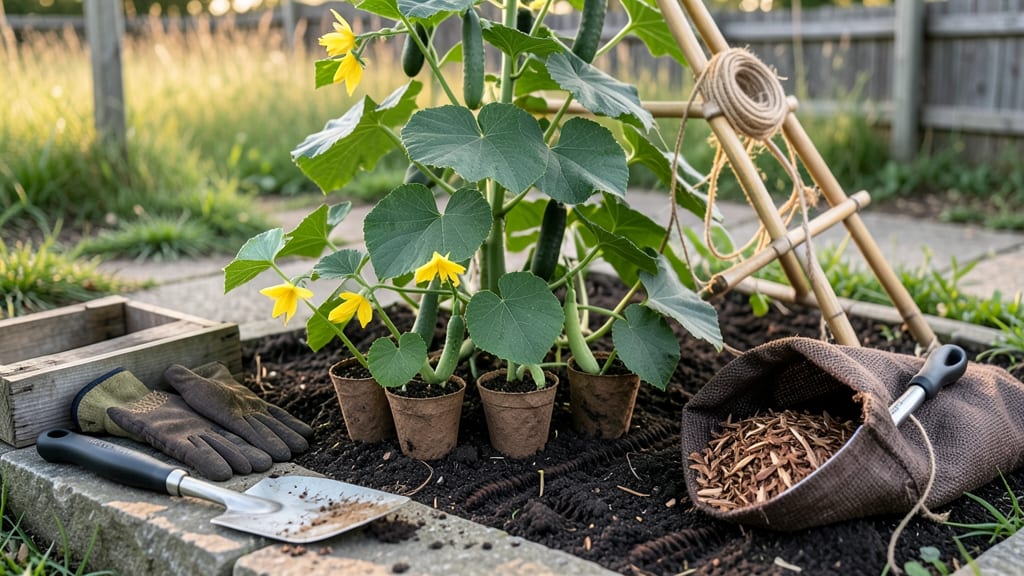
Timing your cucumber planting in East Tennessee isn’t just about the calendar—it’s about outsmarting frost, humidity, and the region’s tricky microclimates. One wrong move, and your 🥒 vines could freeze before they even fruit, leaving you with empty garden space when summer heat arrives.
Most gardeners in zones 6a-7a wait until mid-April to early June, but that’s only half the story. The real secret lies in soil temperature—cucumbers need 60°F+ to thrive, and East Tennessee’s rocky terrain means some spots warm up weeks before others.
Ignore this, and you’ll end up with stunted plants or worse.
Here’s what you need to know: the perfect window depends on where you live in the state. Whether you’re in the Smoky Mountains, Knoxville, or the Tri-Cities, I’ll break down the exact dates to plant for zero-frost success—and how to stretch your harvest into fall when summer’s short.
Ready to grow cucumbers that actually produce? Let’s dive into the microclimate-specific strategy that’ll turn your garden into a crisp, green machine—no guesswork required.
Optimal planting dates for East Tennessee’s 3 microclimates (frost-free guarantee)
East Tennessee’s diverse elevations create three distinct microclimates—each with its own last frost date and soil warming timeline. The Smoky Mountains (higher elevation) often see frost until May 10, while Knoxville Plateau averages April 25, and the Tri-Cities area warms up by April 15.
These differences mean your planting window could vary by 3 weeks depending on where you garden.
Cucumbers thrive in soil temperatures above 60°F, which is critical for seed germination and root development. In East Tennessee, this typically aligns with late April to early May for most regions, but higher elevations may need to wait until mid-May.
Using a soil thermometer is my secret weapon—it removes the guesswork and ensures your seeds won’t sit in cold soil for weeks.
| Microclimate | Last Frost Date | Soil Temp (60°F+) | Direct Sow Window | Transplant Window |
|---|---|---|---|---|
| Smoky Mountains (e.g., Gatlinburg) | May 10 | Mid-May | May 15–June 1 | April 20–May 10 |
| Knoxville Plateau (e.g., Knoxville) | April 25 | Early May | May 1–May 15 | April 1–April 20 |
| Tri-Cities (e.g., Johnson City) | April 15 | Late April | April 20–May 1 | March 20–April 10 |
For transplants, start seeds indoors 4–6 weeks before your region’s last frost date. I swear by biodegradable pots to avoid root shock when moving seedlings outdoors. Harden them off for 7–10 days before transplanting, especially if you’re in the Smoky Mountains, where cooler nights linger longer.
If you’re direct-sowing, wait until the soil temperature consistently stays above 60°F for at least 5 days. In East Tennessee, this often means holding off until mid-May in higher elevations. Plant seeds 1 inch deep and 2–3 feet apart to give vines room to sprawl or climb.
Pro tip: Check your local Cooperative Extension Service (e.g., UT Extension) for hyper-local frost data. Their 30-year averages are more reliable than generic planting calendars. I’ve seen 3-year variations of up to 2 weeks in Knoxville alone!
Don’t forget about fall planting for a second harvest. In East Tennessee, you can sow seeds as late as July 15–August 1, aiming for a 90-day maturity before the first frost in mid-October.
Varieties like ‘Straight Eight’ or ‘Lemon Cucumber’ are my go-tos for fall—they tolerate cooler temps better than standard slicers.
Microclimates matter even within your backyard. A south-facing slope warms up 1–2 weeks earlier than a north-facing valley. I’ve mapped my garden and planted cucumbers on the sunniest, warmest patch to shave off critical growing time.
If you’re unsure, test your spots with a black plastic mulch trial in early spring—it’ll show you where heat lingers longest.
Finally, monitor 7-day forecasts before planting. A late frost in early May can wipe out seedlings overnight. I’ve lost three batches of cucumbers to unpredictable cold snaps, but now I wait until the National Weather Service predicts 5 consecutive frost-free days before committing.
How to extend your cucumber season in East Tennessee (cold snaps & short summers)
East Tennessee’s short growing season and sudden cold snaps can cut your cucumber harvest short—but with the right tactics, you can stretch fresh 🥒 pickings from June all the way to October. The key? Combining heat-loving varieties with protective strategies that outsmart Tennessee’s unpredictable weather.
Most cucumber varieties need 60–90 days to mature, and our 165 frost-free days (USDA Zone 6a-7a) demand precision. Plant too late, and you’ll miss the summer heat; too early, and frost will nip your vines.
The solution? Use black plastic mulch to warm soil faster and row covers to shield plants from unexpected chills.
For a fall harvest, aim to plant heat-tolerant varieties like ‘Straight Eight’ or ‘Lemon Cucumber’ in late July. These varieties thrive in 80°F+ temperatures and can produce fruit even as days shorten.
Pair them with succession planting: sow seeds every 2 weeks until early August to ensure a steady supply.
To calculate your last harvest window, subtract your variety’s days to maturity from your first frost date (mid-October). For example, a 60-day variety planted in late July will yield until early October—just in time for canning or freezing.
Track your garden’s progress with a planting calendar to adjust timing yearly.
Pro tip: If a late frost threatens in May, opt for container growing. Move pots to a sheltered spot or garage at night and return them to sunlight by day. This buys you 2–3 extra weeks of growing time before transplanting outdoors.
With these strategies, you’ll turn East Tennessee’s short summer into a long cucumber feast, from crisp spring slicers to sweet fall pickles. The secret? Plan ahead, protect your plants, and harvest aggressively—your taste buds (and neighbors) will thank you. 🌱