
Plants
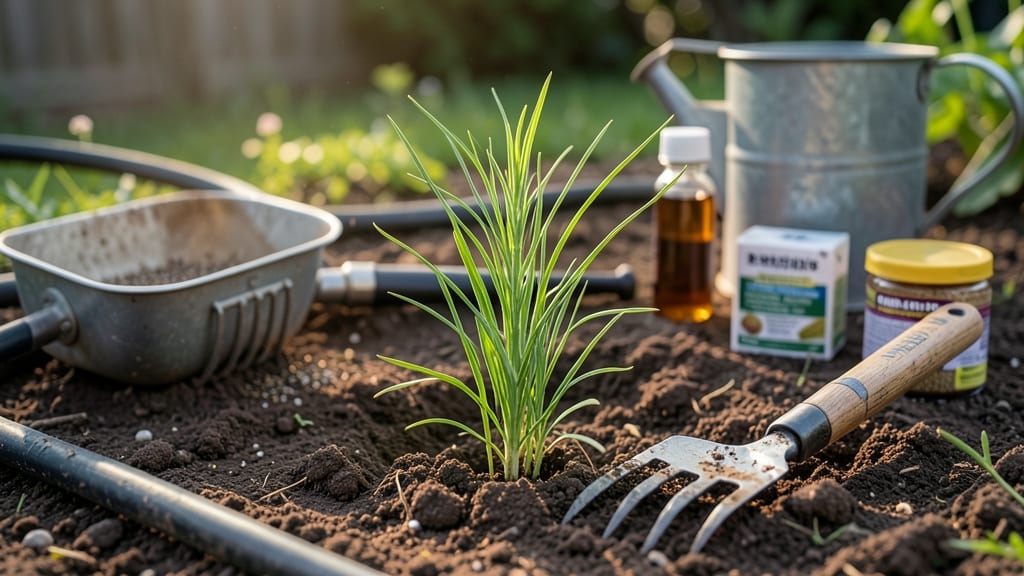
Timing your spring grass seed planting perfectly can mean the difference between a lush, green lawn and patchy disappointment—soil temperatures and frost-free dates are the secret ingredients. If you're eager to see that 🌱 sprouting within 2-4 weeks, getting the timing right is absolutely critical.
In USDA Zone 6a, early to mid-spring offers the ideal window, but planting too soon risks frost damage while waiting too long can delay germination.
Most gardeners overlook how soil temperature affects seed success, yet it's the most important factor. Cool-season grasses thrive when soil reaches 50°F, while warm-season varieties prefer 65°F or higher.
The key is planting 4-6 weeks before your last frost date—typically around April in Zone 6a—when the ground is workable and consistently warm enough for roots to establish.
I'll walk you through exactly how to check your soil temperature and calculate your personal planting window, so you never miss the best opportunity. Whether you're dealing with unpredictable spring weather or just want to avoid common mistakes, this guide gives you the confidence to plant at the perfect moment.
Ready to transform your lawn? Let's dive into the science behind spring planting and how to set yourself up for a thicker, greener grass patch from day one. The difference between a good lawn and a great one often comes down to timing—and now you're about to master it.
Optimal soil temperature ranges for spring grass seed germination
Getting your grass seed timing right in spring starts with understanding soil temperature—this invisible factor determines whether your seeds sprout or sit dormant. For most cool-season grasses like Kentucky bluegrass and tall fescue, the sweet spot is between 50°F and 65°F.
Warm-season varieties such as Bermuda and Zoysia, however, need warmer soil, ideally 70°F to 85°F, which typically arrives later in spring or early summer.
Why does temperature matter so much? Grass seeds require warmth to activate enzymes that break down stored nutrients, kickstarting germination. If soil is too cold (40°F), seeds may rot.
If too hot (>85°F), they can dry out before sprouting. This is why early spring planting often fails—soil may still be chilly after winter.
Regional variations complicate things further. In northern climates (USDA Zones 3-6), soil warms slowly, so aim for late April to early May. In southern zones (7-10), you might plant as early as February or March, but always verify with a soil thermometer.
Pro tip: Check temperatures at 4-inch depth, where seeds will be planted.
🌱
🌱 Soil Temperature Guide for Spring Grass Seed Germination
| Grass Type | Ideal Soil Temp (°F) | Best Planting Window | Regions |
|---|---|---|---|
| Cool-Season (Kentucky Bluegrass, Tall Fescue) | 50°F–65°F | Late April–Early May | Zones 3–6 |
| Cool-Season (Ryegrass, Fine Fescue) | 45°F–60°F | Early April–Late May | Zones 4–7 |
| Warm-Season (Bermuda, Zoysia) | 70°F–85°F | Late May–June | Zones 7–10 |
| Warm-Season (Centipede, St. Augustine) | 65°F–75°F | April–May | Zones 8–10 |
Testing soil temperature is easier than you think. Use a soil thermometer (available for under $10) to check daily for a week before planting. Morning readings between 9 AM and 11 AM are most accurate, as afternoon sun can skew results.
If temperatures fluctuate, wait until they stabilize—consistency is key for even germination.
Don’t overlook soil moisture alongside temperature. Seeds need consistent moisture to germinate, but soggy soil can suffocate them. Aim for 1/2 inch of water per week after planting, watering deeply in the morning to reduce evaporation. A light misting isn’t enough—seeds need to stay hydrated at the soil-seed interface.
One common mistake? Planting when air temperature feels warm but soil temperature lags behind. For example, a sunny 70°F day in April might hide 50°F soil just inches below.
Always trust your thermometer, not the weather forecast. Patience here pays off—waiting for the right conditions ensures uniform germination and a thicker lawn.
For overseeding existing lawns, timing shifts slightly. Cool-season grasses should go down in early fall (August–September) when soil is still warm but nights cool. Warm-season grasses, however, thrive with late spring/early summer planting (May–June) when soil is consistently warm. Think of it as reverse seasons for these varieties.
Pros for planting at the right temperature? Faster germination (7–14 days vs. weeks), stronger root systems, and disease resistance. Cons of rushing it? Weak seedlings, fungal issues, and patchy growth. Your goal is to create an environment where seeds sprout quickly and uniformly, not struggle to survive.
💧
Spring planting timeline: frost-free dates by US climate zones
Spring planting success starts with understanding your USDA climate zone and local frost patterns. In Zone 6a, where last frost typically hits around April 15th, you should plant grass seed 4-6 weeks before that date.
However, regions with earlier or later frosts—like Zone 3 (late May) or Zone 10 (year-round planting)—require completely different timing.
Most gardeners make the mistake of relying on calendar dates instead of actual soil temperature and frost-free windows. For example, planting in March in Zone 8 (last frost: March 1) risks frost damage, while waiting until June in Zone 4 (last frost: May 10) delays germination.
The key is aligning your planting with consistent soil warmth and predictable weather.
Early spring rains can actually help germination timing by keeping soil moist, but too much rain delays planting. If your area gets consistent rainfall (1+ inch/week), you can plant slightly earlier.
However, if drought follows, seeds may dry out before sprouting. Always check a 7-day forecast before planting to avoid surprises.
Pro tip: Use a soil thermometer (available for ~$10) to verify temperatures. Stick it 2 inches deep—the depth where seeds will germinate—and wait until readings stay above 50°F for 5+ days. This simple step eliminates guesswork and ensures your grass seeds get the perfect start.
For Zone 6a gardeners, aim for planting between March 15th and April 1st. This window balances frost risk with soil warmth, giving you the best chance for uniform germination and a thick, healthy lawn by summer.
Don’t wait until May—by then, seeds may struggle to establish before summer heat sets in.