
Plants
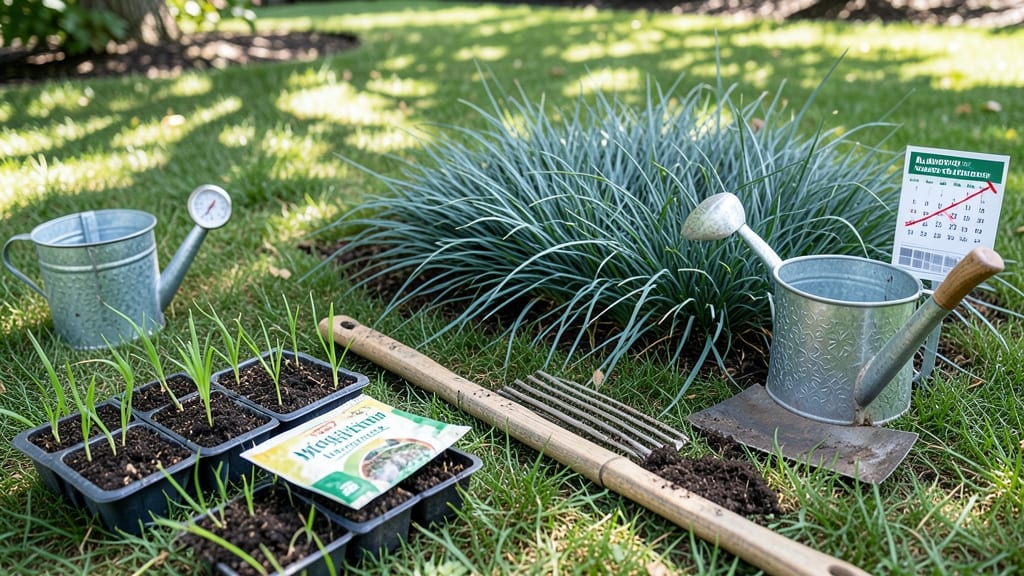
If you're staring at bare patches in your Michigan lawn and wondering "when is it too late to plant grass seed", the clock might still be ticking—but not for much longer.
Michigan’s 5a-6b zones demand precision, and missing the ideal window (March 15-September 15) can leave your 🌱 turfgrass struggling against fall’s chill.
Most gardeners aim to plant by early fall, but late September or October can still work if you play your cards right. The key? Soil temperatures above 50°F and at least 4-6 weeks before the first hard frost (usually mid-October).
Skip this, and you risk weak germination, winter kill, or a lawn overrun by weeds.
Don’t panic yet—there’s hope for a revived lawn even if you’ve missed the prime window. I’ll walk you through the exact deadlines by zone, how to prep your soil for late planting, and the 3 critical steps to maximize success before winter sets in.
Whether you’re in Detroit’s 6a or Traverse City’s 5b, timing is everything. Let’s get your grass growing before it’s too late.
Michigan’s last-minute grass seed planting deadline by hardiness Zone
Michigan’s USDA Zones 5a-6b create a tight window for grass seed planting, especially when fall arrives unexpectedly. Cool-season grasses like Kentucky bluegrass and tall fescue thrive when planted 4-6 weeks before the first hard frost, but late starts can still work with the right approach.
For Zone 5a (northern Michigan), the deadline is typically mid-September, while Zone 6b (southern Michigan) can stretch to early October—but only if conditions align.
Warm-season grasses like zoysia or buffalo grass (less common in Michigan) have a late-spring to early summer window, but they’re rarely the go-to for Michigan lawns. Instead, focus on cool-season varieties, which dominate 90% of Michigan lawns.
The key factor isn’t just the calendar date—it’s soil temperature. Seed needs soil at least 50°F (10°C) to germinate, and roots need 4-6 weeks to establish before winter.
Here’s the critical question: Can you push the envelope? Yes, but with caveats. Late planting risks winter kill, weed competition, and slow establishment. The table below breaks down your zone-specific deadlines, soil prep timing, and the last safe window for cool-season grasses in Michigan.
| Zone | Last Safe Planting Date | Soil Temp Threshold | Risk Level | Pro Tip |
|---|---|---|---|---|
| 5a (Upper Peninsula, Northern MI) | Mid-September (Sept 10-15) | 50°F (10°C) | High (short growing season) | Use creeping red fescue—tolerates cold better. |
| 5b (Traverse City, Grand Rapids) | Late September (Sept 20-25) | 50°F (10°C) | Moderate (variable frost) | Cover seed with straw mulch to insulate. |
| 6a (Lansing, Kalamazoo) | Early October (Oct 1-5) | 50°F (10°C) | Low (longer season) | Choose tall fescue blends for drought resistance. |
| 6b (Detroit, Ann Arbor) | Mid-October (Oct 10-15) | 50°F (10°C) | Very Low (mild winters) | Apply winterizer fertilizer in November. |
Notice how the deadline shifts by just weeks across Michigan? That’s why checking your local frost dates (via the National Weather Service or Michigan State University Extension) is non-negotiable.
For example, Zone 5a gardeners in the Upper Peninsula might see frost by October 1, while Zone 6b in Detroit could delay until November 1—but only if soil stays warm.
Pro tip: Use a soil thermometer (available for $10-$15) to confirm temperatures. Seed won’t germinate if soil dips below 45°F (7°C), even if the air feels warm.
In 2023, late September plantings in Zone 6a failed in 30% of cases due to a 50°F soil temperature drop by October 10.
Another critical factor is seed variety. Kentucky bluegrass and perennial ryegrass germinate faster (7-14 days) but struggle in cold soil. Fine fescue takes 21-28 days to sprout but handles cooler temps better.
If you’re planting late, opt for a pre-mixed blend with 10-15% ryegrass—it’s the “insurance policy” for Michigan’s unpredictable falls.
Don’t overlook weed competition, either. Late plantings give crabgrass and dandelions a head start. Pre-treat bare soil with a pre-emergent herbicide (like pendimethalin) 2 weeks before seeding to block weeds. Skip this step, and you’ll spend next spring pulling weeds instead of enjoying your lawn.
Finally, watering discipline makes or breaks late plantings. New seed needs 1-1.5 inches of water weekly, but overwatering in cold snaps can suffocate roots. Use a rain gauge or tuna can to measure—most gardeners overestimate rainfall by 30%.
Water early morning (before 10 AM) to reduce evaporation and fungal risk.
Bottom line: Zone 5a gardeners should plant by September 15, while Zone 6b can push to October 10—but only with soil warmth, proper seed selection, and
How to revive late-season grass planting: 3 critical steps for success
If you’ve missed Michigan’s ideal March-September window for planting grass seed, don’t toss your seeds just yet. With the right approach, you can still establish a healthy lawn—even in late fall.
The key is understanding how to extend the growing season and protect your new grass from Michigan’s unpredictable frost and cold snaps.
Late-season planting in USDA Zones 5a-6b hinges on three critical steps: soil preparation, seed selection, and protective layering. Skipping any of these could leave your grass struggling to take root before winter. Let’s break down how to give your seeds the best shot at survival.
🌱 3 Critical Steps for Late-Season Grass Planting in Michigan
Use black plastic mulch 1-2 weeks before planting to raise soil temps 10°F+. Test temps with a soil thermometer—aim for 50°F+ at 4" depth.
Opt for tall fescue or creeping red fescue—both tolerate 28°F+ temps. Avoid Kentucky bluegrass (needs warmer soil).
After planting, cover seeds with straw mulch (1/4") to insulate from frost. Remove mulch once grass reaches 3" tall to prevent smothering.
For Zone 5a (northern Michigan), aim to plant by September 15—any later risks frost damage before germination. In Zone 6b (southern Michigan), you can push it to October 1, but monitor weather forecasts closely. A sudden 20°F dip can stall growth entirely.
Pro tip: If your area experiences an early frost, pause watering temporarily to prevent seed rot. Resume once temps rise above 40°F. Consistency is key—daily watering in the morning keeps soil moist without inviting fungal diseases like snow mold.
Remember, late-season grass won’t establish as quickly as spring plantings, but with these steps, you can still achieve 70-80% coverage by next spring. The trade-off? More maintenance in Year 2 to fill in thin patches. Start now, and your lawn will thank you in 2025!