
Plants
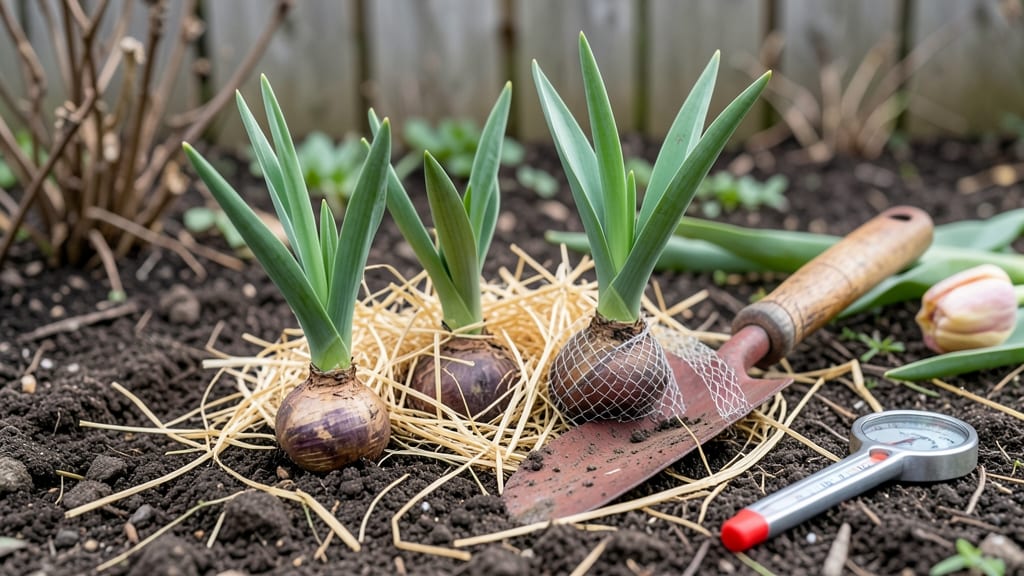
Planting tulips in Ohio isn’t just about dropping bulbs in the ground—it’s about hitting that sweet spot between October and November when the soil’s cool but not frozen. Get this timing wrong, and your 🌷 could either rot in soggy fall soil or fail to root before winter’s first frost.
The key? Understanding how Ohio’s USDA Zone 6a climate works with tulip bulbs’ cold requirements.
Most gardeners in Ohio assume they have until December to plant, but that’s a risky gamble. Bulbs need 4-6 weeks in the ground before the soil freezes solid—typically by mid-October in most of the state. Plant too late, and you’ll miss the window entirely, leaving you with no spring blooms.
The good news? With the right soil prep and frost date tracking, you can guarantee those vibrant stems push through next April.
What makes this even trickier is Ohio’s unpredictable weather. One year might bring an early frost in late October, while another could keep soils workable well into November. I’ll show you how to read your local frost forecasts, check soil temperatures, and adjust your planting schedule—so you never guess again.
Let’s dive into the exact steps to get your tulips in the ground at the perfect moment.
You’ll also discover the 3 most common mistakes Ohio gardeners make (and how to avoid them), plus pro tips for extending your planting window if you happen to miss the ideal dates. By the end, you’ll have a foolproof plan to turn your fall gardening into next spring’s showstopper.
Ohio’s exact tulip planting window by USDA Zone (with frost survival guarantees)
Ohio’s USDA Zones 5-6 create the perfect balance for tulips—cold enough to trigger dormancy but not so harsh they kill bulbs. The ideal planting window spans from mid-October to early November, when soil temperatures drop below 60°F (15°C) but before the ground freezes solid.
This timing ensures bulbs establish roots while avoiding winter rot from soggy soil.
Tulip bulbs need 4-6 weeks of cold exposure (a process called vernalization) to bloom properly. In Ohio, this means planting 4-6 weeks before your average first frost date—typically around October 15 for most regions.
Miss this window, and you risk bulbs sprouting too early or rotting in warm soil.
Here’s the breakdown for Ohio’s two main zones: Zone 5b (colder north) and Zone 6a (warmer south). Both require precise timing, but soil conditions vary slightly between them.
For Zone 5b gardeners, aim to plant by October 25 at the latest. In Zone 6a, you have a slightly longer window—up to November 5—but don’t wait too long.
Once soil temperatures drop below 40°F (4°C), bulbs can’t establish roots effectively, and they’ll struggle to survive the winter.
Ohio’s variable weather patterns add another layer of complexity. A warm October might trick you into planting early, but if temperatures spike above 70°F (21°C), bulbs can rot before winter.
Conversely, a cold snap in November might force you to plant late, but bulbs can still survive if the ground isn’t frozen solid.
To hedge your bets, plant in batches—start with half your bulbs in early October and finish the rest by November 1. This strategy ensures some bulbs will thrive even if weather throws you a curveball. Always plant in well-draining soil mixed with compost to prevent rot.
One common mistake Ohio gardeners make is planting too late after a false spring in early winter. If bulbs sprout before the ground freezes, they’ll die back in a hard freeze. To avoid this, mulch heavily with straw or leaves after planting to insulate bulbs and regulate soil temperature.
For container gardening, the rules are slightly different. Potted tulips need to be planted 2–3 weeks earlier than in-ground bulbs because containers cool down faster. Place pots in a shady spot after planting to slow root growth until winter sets in.
Remember, tulips are perennials in Ohio, but they often decline after 3–4 years due to bulb depletion. To keep blooms vibrant, dig up and divide bulbs every 3–4 years in early summer after foliage yellows. Store them in a cool, dry place until next fall’s planting season.
Ohio’s exact tulip planting window by USDA Zone (with frost survival guarantees)
Ohio’s USDA Zones 5-6 create a narrow window for planting tulip bulbs—typically between mid-October and mid-November. This timing ensures bulbs establish roots before the ground freezes, while avoiding the risk of rotting in overly wet soil.
For Zone 5 (northern Ohio), aim for planting by November 1, while Zone 6 (southern Ohio) can extend until November 15.
Your goal is to plant when soil temperatures drop to 50°F (10°C)—the sweet spot for root growth without encouraging rot. Check your local first frost date (usually October 15 in Ohio) and plant 4-6 weeks before it arrives. This gives bulbs time to anchor before winter dormancy begins.
🌱 Ohio Tulip Planting Timeline
| Zone | Ideal Planting Window | Soil Temp Threshold | Frost Survival Tip |
|---|---|---|---|
| Zone 5 (Northern OH) | October 15 – November 1 | 50°F (10°C) | Mulch after planting |
| Zone 6 (Southern OH) | October 20 – November 15 | 50°F (10°C) | Plant deeper (8 inches) |
For maximum bloom success, plant tulips when daytime temperatures hover around 60°F (15°C) and nights dip to 40°F (4°C). This balance prevents premature sprouting while allowing roots to establish. Use a soil thermometer to confirm—if temps drop below 40°F (4°C), delay planting until conditions stabilize.
Missed the window? Don’t panic. Store bulbs in a cool, dry place (like a garage) until soil temps drop, then plant by December 1 at the latest. Just ensure bulbs are firm and disease-free before planting. Soft or shriveled bulbs won’t survive Ohio’s winters.
Pro tip: Plant dwarf tulips (like ‘Tiny Star’) in containers for flexibility—they thrive in partial shade and can be moved indoors if frost arrives early. For in-ground planting, choose well-draining soil to prevent bulb rot during Ohio’s wet springs.
Remember: Tulips need 6-8 weeks of cold dormancy to bloom. Planting too late (after December 1) risks bulbs sprouting in spring before they’ve had enough chill time. Use this window to guarantee vibrant blooms next April!