
Plants
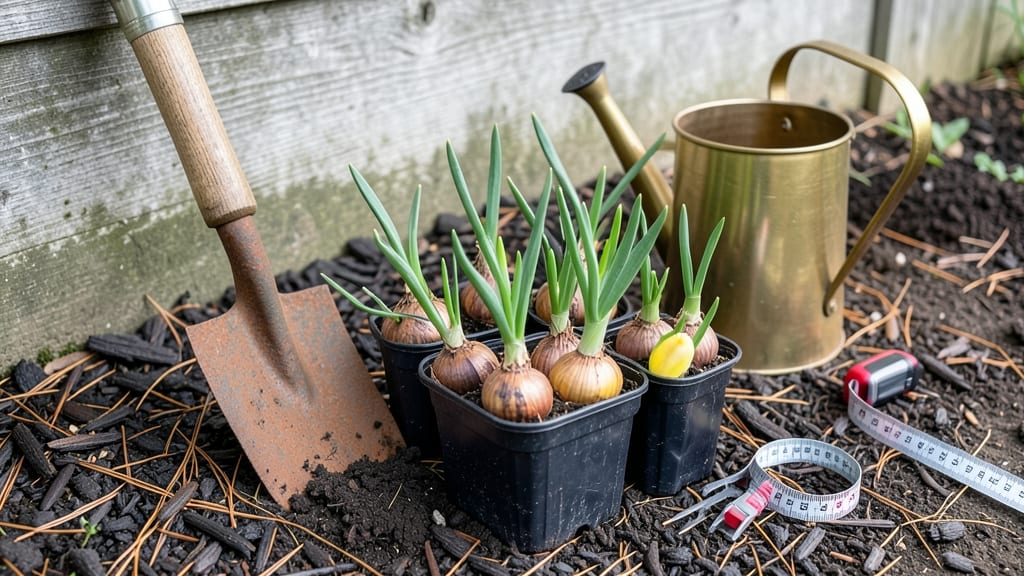
Planting potted tulips 🌷 in the ground at the wrong time can mean the difference between vibrant spring blooms and disappointing flops. The key isn't just when you plant—it's understanding how your local climate and frost dates create that perfect fall window for success.
If you're in USDA Zone 6a (like many gardeners), aiming for 4-6 weeks before your first frost—typically late September to early October—gives your tulips time to establish roots before winter. But timing varies by region, and rushing the process can leave your bulbs vulnerable to frost damage.
I've learned the hard way that fall planting isn't just about throwing bulbs into the ground—it's about preparing the soil, spacing properly, and even considering moon phases for stronger root growth. Let me walk you through the exact steps to maximize your tulips' potential next spring.
Whether you're a first-time gardener or a seasoned pro, these fall timing hacks will help you avoid common mistakes and get the most out of your potted tulips. Ready to transform your garden into a burst of color?
Optimal fall planting windows for potted tulips by US climate zones
Fall is the best time to plant potted tulips for spring blooms, but the exact timing depends on your USDA climate zone and local frost dates. Planting too early risks rot, while waiting too long may stunt root growth before winter.
Aim for 4-6 weeks before first frost—this window ensures bulbs establish roots but don’t sprout prematurely.
In colder zones (3-5), where winters are harsh, plant tulips 6-8 weeks before frost—typically between mid-September and early October. Warmer zones (7-10) have a longer window, often October through November, as soil stays warmer longer. Check your local first frost date to calculate the perfect window.
Soil temperature is critical: tulip bulbs need 40-50°F soil to root successfully. Use a soil thermometer to confirm—planting in cooler soil can delay root growth, while warmer soil may trigger early sprouting.
In zones 8-10, where winters are mild, you might even plant as late as December, but avoid planting when soil is frozen.
Moon phases also play a role. Planting during the waxing moon (when the moon is growing) is believed to encourage stronger root development. Align your planting with a waxing crescent or gibbous moon for optimal results. This traditional tip pairs well with scientific timing for best outcomes.
Here’s how to adjust your planting schedule by zone, including soil temperature thresholds and ideal moon phases for each region:
If you’re unsure about your zone, use the USDA Plant Hardiness Zone Map to find your exact location. For example, Zone 6a (like much of the Midwest) typically has a first frost around October 31, so aim to plant by mid-September.
In Zone 9a (Southern California), you might plant as late as December 1.
Pro tip: If you miss the fall window, don’t panic! Tulips can also be planted in early spring (after the last frost) for summer blooms, though fall-planted bulbs generally produce larger, more vibrant flowers.
Spring planting is riskier in colder zones, as bulbs may sprout too early and be damaged by late frosts.
Before planting, amend your soil with compost or aged manure to improve drainage and fertility. Tulips hate soggy soil—ensure your garden bed has well-draining soil to prevent bulb rot. If your soil is heavy clay, mix in sand or perlite to create a lighter, airier medium.
Once planted, mulch with 2-3 inches of straw or shredded leaves to insulate bulbs from winter temperature swings. This protective layer helps maintain consistent soil temps and reduces the risk of frost heave, which can damage emerging shoots in early spring.
5 Signs your potted tulips are ready for ground planting (and 3 mistakes to avoid)
Transplanting potted tulips too early or too late can stunt their growth or even kill them before they bloom. Look for these 5 key signs that your tulips are ready to move from pots to garden beds. Timing matters—especially since tulips need 6-8 weeks to establish roots before winter dormancy.
First, check your tulips' leaf growth. Healthy leaves should be half the height of the plant's mature size (about 6-12 inches for most varieties). If leaves are still short and sparse, wait a few more weeks—they need time to photosynthesize and strengthen the bulb for winter.
Next, examine the root system. Gently remove your tulip from its pot and inspect the roots. If you see white, fibrous roots filling at least half the root ball, it's a green light.
Roots that are sparse or mushy mean your tulip isn't ready yet—planting too soon can lead to rot or frost damage.
Pay attention to the weather forecast. The ideal window is 4-6 weeks before your first frost, but avoid planting if a hard freeze is predicted within 2 weeks. Cold soil can shock the roots, so aim for 50-60°F soil temperatures during the day.
Now, let’s talk about the 3 biggest mistakes I’ve seen gardeners make when transplanting tulips. First, overwatering before planting can drown the roots. Second, planting too deep (more than 6-8 inches) suffocates the bulb. Third, ignoring soil drainage leads to rot—tulips hate soggy soil!
🌱 5 Signs Your Tulips Are Ready to Plant
- 🌱 Leaves reach 6-12 inches (half mature height)
- 🌱 White, fibrous roots fill half the root ball
- 🌱 Soil temps are 50-60°F during the day
- 🌱 4-6 weeks left before first frost
- 🌱 No hard freeze predicted in 2 weeks
⚠️ 3 Mistakes to Avoid
- ❌ Overwatering before transplanting (drowns roots)
- ❌ Planting too deep (buries bulb >8 inches)
- ❌ Ignoring drainage (soggy soil causes rot)
One pro tip I swear by is to plant during a waxing moon. The gravitational pull helps roots grow downward faster, giving your tulips a stronger start. Just mark your calendar—this year, the waxing moon peaks in late September, perfect for Zone 6a gardeners!
Finally, don’t forget to amend your soil before planting. Mix in compost or aged manure to improve drainage and fertility. This small step makes all the difference in bulb health and next spring’s vibrant blooms.