
Plants
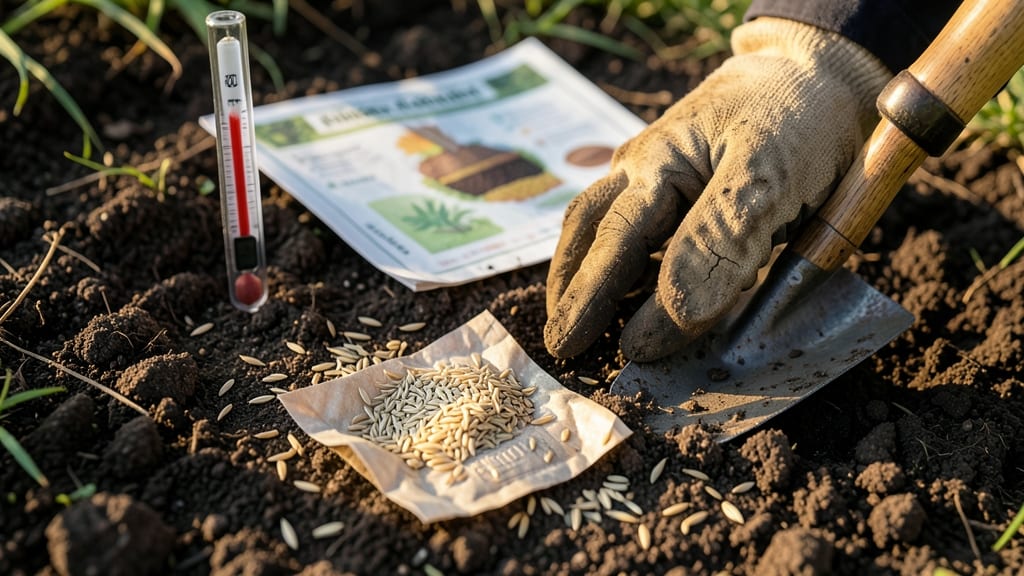
Planting rye grass in Texas at the wrong time can mean the difference between a lush winter lawn and wasted seed money. Whether you're overseeding your yard or establishing a new cover crop, timing is everything—and Texas' diverse climate makes it tricky.
The ideal window for rye grass in Texas runs from late summer to early fall, but that doesn't mean one-size-fits-all. North Texas' cooler winters demand earlier planting, while South Texas' milder climate allows for a slightly extended season.
I'll break down the exact months for your region to avoid frost damage or summer heat stress.
You might think all you need is a seed packet and a trowel, but Texas' microclimates—from urban heat islands to clay-heavy soils—require smart adjustments. We'll cover soil prep, frost timing, and even how to stretch your planting window with irrigation tricks.
Ready to transform your lawn or pasture? Let's dive into the most reliable planting schedule for rye grass in Texas, so you can enjoy that green carpet come winter without the guesswork.
Best planting months for rye grass in Texas by region (north vs. south)
Texas' climate varies dramatically from the Panhandle's chilly winters to the Rio Grande Valley's balmy temperatures, making rye grass planting a regional game. In North Texas (USDA Zones 7a-8a), where frost can arrive as early as mid-November, your window is tight.
South Texas (Zones 8b-10a) enjoys milder winters, allowing for more flexibility.
For North Texas, aim to plant rye grass between August 15 and September 30. This gives seeds time to germinate before the first frost, typically around January 15.
In South Texas, you can extend planting until October 15, thanks to later frosts (often February 15 or later).
Miss these windows, and you risk summer heat stress (planting too late) or frost damage (planting too early). The key is to establish roots 4-6 weeks before the first frost—this ensures your grass survives winter and greens up early in spring.
🌾
If you're in Central Texas, where frost dates can vary by 30 days depending on elevation, check your local USDA Plant Hardiness Zone Map for precision. For example, Austin (Zone 8a) typically sees frost by January 1, while San Antonio (Zone 8b) holds off until February 1.
For overseeding existing lawns, follow the same timeline but adjust for soil temperature. Rye grass needs soil temps between 50°F and 75°F to germinate—too hot, and seeds may dry out before sprouting. In South Texas, late October plantings can still work if you irrigate consistently.
Pro tip: Use a soil thermometer to confirm temps. If your soil is above 80°F, wait a week or two—your seeds will thank you with faster germination and stronger roots.
🌡️
Don't forget that elevation plays a role. Hill Country regions like Fredericksburg (Zone 7b) can see frost as early as November 1, while coastal areas like Galveston (Zone 9a) may never experience frost. Always plant 4-6 weeks before your area's average first frost to maximize success.
For those in urban areas, microclimates can shift frost dates by 1-2 weeks. Concrete and asphalt absorb heat, delaying frost in cities like Dallas or Houston. If you're unsure, ask your local agricultural extension office for hyper-local advice—they track frost data year-round.
Best planting months for rye grass in Texas by region (north vs. south)
Texas' diverse climate means your rye grass planting window depends on whether you're in North Texas (cooler winters) or South Texas (warmer winters). The golden rule: plant 4-6 weeks before the first expected frost to give roots time to establish before winter chill sets in.
In North Texas (USDA zones 7b-8a), where frost can arrive as early as mid-November, aim to plant between mid-August and late September. This gives your grass time to germinate before temperatures drop below 50°F, which slows growth.
For South Texas (USDA zones 8b-10a), where frost is rare before December, you have more flexibility. Plant between late August and early October, but avoid seeding after mid-October—summer heat lingering into fall can stress young seedlings.
🌾 Texas Rye Grass Planting Guide
| Region | USDA Zone | Ideal Planting Window | First Frost Date | Key Consideration |
|---|---|---|---|---|
| North Texas | 7b-8a | Mid-August to Late September | Mid-November | Cooler winters; plant early to avoid frost damage |
| Central Texas | 8a-8b | Late August to Early October | Late November | Moderate climate; balance heat and frost |
| South Texas | 8b-10a | Late August to Early October | December (rare) | Warmer winters; extend window but avoid late heat |
If you're overseeding an existing lawn, September is ideal across most of Texas because daytime temperatures are still warm enough for germination, while nights are cooling—perfect for rye grass growth. In North Texas, don't wait past early October, or seedlings may not establish before winter.
Pro tip: Check your local USDA Plant Hardiness Zone map for precise frost dates. Many Texas counties have microclimates where frost arrives earlier (e.g., Hill Country) or later (e.g., Gulf Coast). Adjust your planting by 1-2 weeks based on your specific location.
Missed the fall window? In South Texas, you can try a late winter planting (February) for spring overseeding, but results are hit-or-miss due to unpredictable rain patterns. Stick to fall for the most reliable results.