
Plants
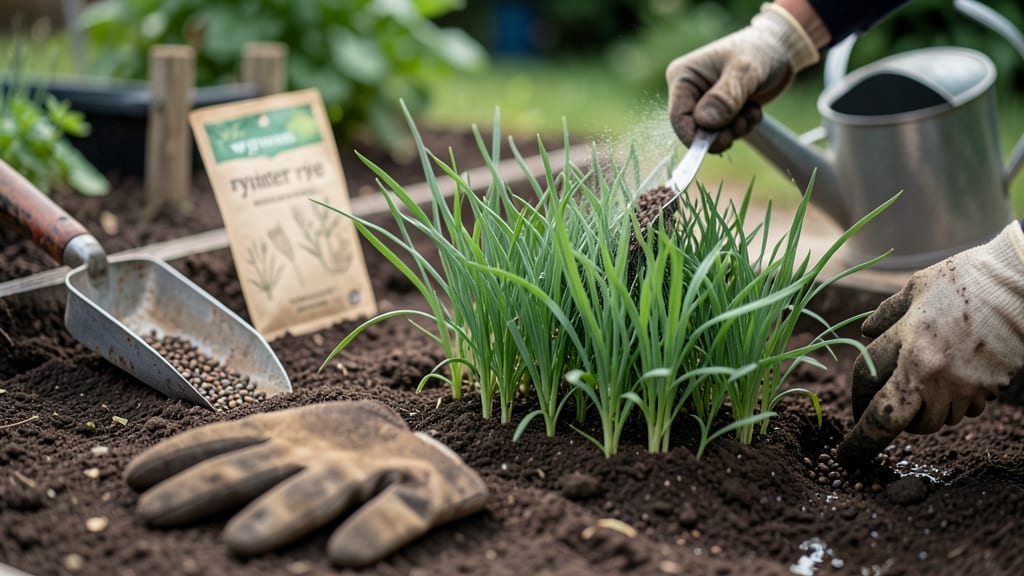
If you’ve ever stared at your Arizona lawn wondering why it stays patchy even in winter, the answer might be as simple as when you plant your winter grass. The desert’s unique climate demands precision—plant too early, and the summer heat will scorch your seeds before they sprout.
Too late, and you’ll miss the sweet spot for lush, frost-free growth.
Here’s the secret: Arizona’s USDA Zone 9b climate gives you two prime windows to plant winter grass—fall (September–November) or early winter (January–February). These months offer cooler temps and just enough moisture to help your grass take root without battling the scorching sun or unpredictable monsoons.
But timing isn’t the only factor. Soil prep, seed variety, and even your neighborhood’s microclimate (think Phoenix vs. Flagstaff) play a huge role in success.
I’ll walk you through the exact steps to ensure your winter grass thrives year-round, from choosing the right seed to mastering watering schedules that beat Arizona’s drought.
Ready to transform your yard into a vibrant green oasis? Let’s dive into the cool-season schedule that’ll keep your grass looking fresh even when your neighbors’ lawns are brown and crispy.
Best planting months for winter grass in Arizona’s climate zones
Arizona’s diverse microclimates mean the "best" time to plant winter grass varies by location. In Phoenix and Tucson (USDA Zones 9b-10a), aim for September through November to avoid summer heat stress.
Meanwhile, Flagstaff (Zone 7b) can plant as late as February due to cooler temperatures. Understanding your zone helps you align planting with cooler temperatures and rainfall patterns.
Cool-season grasses like ryegrass and fescue thrive when daytime temps stay between 60°F and 75°F. Planting too early (June-July) risks heat shock, while waiting too late (December+) may delay establishment before winter dormancy. Your goal? Root growth before temperatures drop.
Here’s how Arizona’s three key regions differ in their ideal planting windows:
| Region | USDA Zone | Best Planting Window | Avoid Planting |
|---|---|---|---|
| Phoenix/Tucson | 9b-10a | September–November | June–August |
| Prescott/Sedona | 7b-8a | October–December | April–May |
| Flagstaff | 7b | January–February | July–September |
For Phoenix and Tucson, late September is ideal—soil stays warm enough for germination, but afternoon temps drop below 85°F, reducing stress. In higher elevations like Flagstaff, January planting gives seeds time to establish before spring warmth triggers rapid growth.
Watch for monsoon remnants in late summer. While rare, sudden September rains can create temporary moisture for germination. However, rely on consistent irrigation rather than unpredictable weather. Use a soil moisture meter to confirm 1-inch soil depth stays moist but not soggy.
Adjust your schedule if unseasonal heat waves hit. For example, a 100°F+ spell in October may require delaying planting by 2-3 weeks until temps stabilize. Check the National Weather Service for 10-day forecasts before seeding.
If you miss the fall window, don’t despair—January-February is your second chance. Cool-season grasses like tall fescue handle winter planting well, but cover seeds with straw to protect against freeze-thaw cycles in northern Arizona.
Pro tip: Seed depth matters. Plant winter grass seeds no deeper than ¼ inch—too deep, and they’ll struggle to break through soil. Use a rake with fine teeth to create a smooth, firm surface after sowing. Lightly water to settle seeds into place.
Finally, test your soil’s pH before planting. Arizona soils often lean alkaline (7.5–8.5), which can stunt grass growth. Aim for a neutral pH (6.0–7.0) by amending with sulfur or peat moss if needed. A simple home test kit costs under $10 and saves you from wasted seed.
With the right timing, your winter grass will establish roots before summer’s return, giving you a lush, green lawn by December. 🌱
Best planting months for winter grass in Arizona’s climate zones
Arizona’s diverse climate creates unique challenges for planting winter grass. Unlike northern states, our USDA Zone 9b offers mild winters, but timing matters. Plant too early, and summer heat zaps seedlings.
Too late, and growth stalls before winter rains arrive. The ideal window spans September through November and January through February, aligning with cooler temperatures and natural moisture cycles.
In low desert areas like Phoenix and Tucson, focus on September-October planting. These months offer warm soil for root establishment while avoiding extreme summer heat. For highland regions like Flagstaff, extend your window into late October or November, as cooler nights reduce stress on young grass.
Always check your local frost-free days—Arizona’s 300+ frost-free days mean minimal frost risk, but microclimates vary.
| Zone/Region | Best Planting Months | Key Considerations |
|---|---|---|
| Low Desert (Phoenix, Tucson) | September–October | Avoid summer heat; soil stays warm for germination. |
| High Desert (Flagstaff) | October–November | Cooler nights reduce stress; extend to December if needed. |
| Valleys (Yuma, Prescott) | January–February | Post-winter rains boost moisture; avoid late frosts. |
Adjust your schedule based on soil temperature. Use a soil thermometer—ideal germination occurs at 60–75°F. In September, soil cools naturally, while January plantings benefit from winter rains.
For Tifway 419 Bermuda grass or ryegrass mixes, aim for 60°F soil to prevent seed dormancy. If temperatures dip below 50°F, delay planting until conditions stabilize.
Don’t overlook monsoon remnants. Late summer rains can create temporary moisture, but they’re unreliable for consistent growth. Prioritize deep watering after planting—1–2 inches per week—to encourage root depth.
In October, reduce watering slightly to harden off seedlings before winter. For high-elevation areas, monitor for early frosts, though Arizona’s minimal frost risk means this is rare.
Pro tip: Plant winter grass in late afternoon to reduce seed stress from afternoon sun. Cover seeds with 1/4 inch of soil and keep the area moist until germination (7–14 days).
In November, apply a light nitrogen fertilizer (10-10-10) to support early growth. Avoid planting in December unless you’re in cooler highland zones—growth slows significantly.
Timing isn’t just about months—it’s about weather patterns. Check the National Weather Service for 10-day forecasts before planting. If high winds or drought warnings are predicted, delay until conditions improve.
With the right schedule, your winter grass will thrive, providing a lush green lawn from December through March. 🌱