
Plants
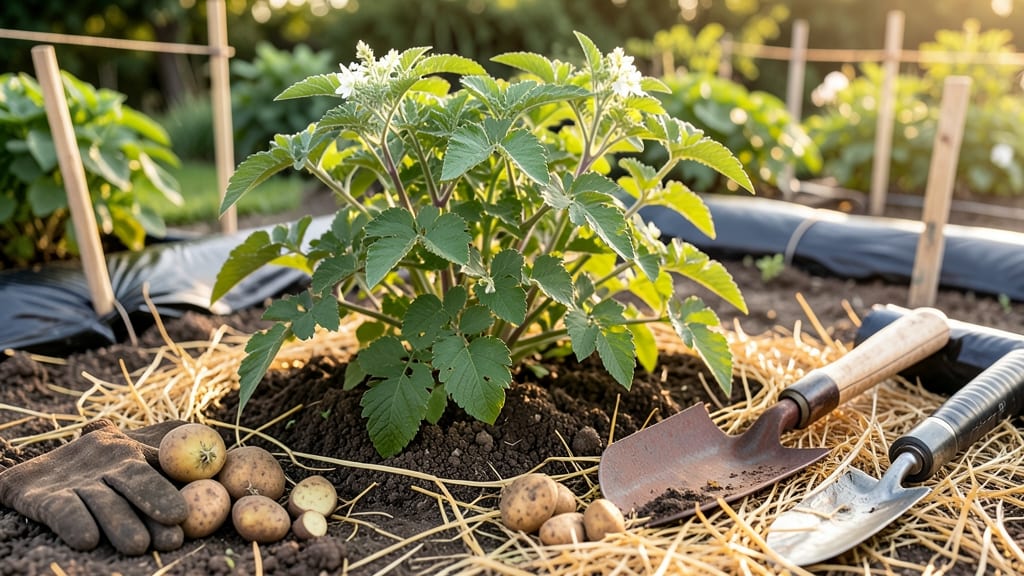
Planting potatoes in Louisiana isn’t just about timing—it’s about beating the heat before it beats your harvest. With 260 frost-free days and temperatures that can soar, traditional planting advice won’t cut it here. The key? Strategic months and heat-tolerant varieties that thrive when most gardeners are sweating over wilting greens.
If you’ve ever watched your potato plants bolt in the summer sun or struggle with humidity-related diseases, you know the stakes. The solution starts with two critical planting windows: February-March for early varieties and September-October for late ones.
But here’s the catch—Louisiana’s 8a-9b climate demands more than just a calendar. It requires soil prep, shade strategies, and the right cultivars to survive until harvest.
Let’s cut through the guesswork. I’ll show you exactly which months work best for your region, the top 5 heat-resistant varieties that actually perform here, and how to avoid the 3 biggest mistakes that turn Louisiana gardens into potato graveyards. Ready to grow a harvest that outlasts the heat?
From soil temperature checks to mulching hacks, this guide gives you the local know-how to turn your 🥔 patch into a reliable food source—no matter how hot it gets. No more wasted seed potatoes or empty harvests. Just a plan that works for Louisiana’s unique growing conditions.
Best planting months for Louisiana potatoes: exact timing by region
Louisiana’s warm climate and long growing season mean potatoes thrive here—but only if planted at the right time. Unlike cooler states, Louisiana gardeners must focus on heat-tolerant varieties and avoiding peak summer heat.
The ideal window is February-March for spring potatoes and September-October for fall potatoes, aligning with frost-free periods and soil temperatures.
North Louisiana (USDA zones 7b-8a) has slightly cooler springs, allowing for earlier planting—January-February—while South Louisiana (zones 8b-9b) can extend planting into late March for spring crops.
For fall planting, aim for 8-10 weeks before the first frost (typically early September), ensuring tubers mature before winter arrives.
Here’s the breakdown by region, including soil prep timing and variety recommendations to maximize yields:
| Region | Spring Planting Window | Fall Planting Window | Soil Prep Month | Key Varieties |
|---|---|---|---|---|
| North Louisiana (Zones 7b-8a) | January–February | September 1–15 | December–January | Yukon Gold, Red LaSoda |
| Central Louisiana (Zones 8a-8b) | February–March | September 15–30 | January–February | Beauregard, Purple Viking |
| South Louisiana (Zones 8b-9b) | March–April | October 1–15 | February–March | Sweet Potato (Beauregard), Kennebec |
Spring planting in Louisiana offers cooler soil temperatures (ideal for sprouting), while fall planting avoids peak summer heat (which stresses tubers). For extended harvests, some gardeners plant successive crops—like early March and late September—using shade cloth for summer protection.
Soil temperature is critical: potatoes need 45–55°F soil to sprout. In Louisiana, this aligns with February-March for spring and September-October for fall. Use a soil thermometer to confirm—planting too early in warm soil can cause premature sprouting or disease.
Microclimates matter! Coastal areas (e.g., New Orleans) can plant 1–2 weeks later than inland zones due to moderating ocean breezes. Conversely, higher elevations (like Shreveport) may need to plant 2 weeks earlier to avoid late-spring heat.
Pro tip: Chit seed potatoes (pre-sprout in light) 4–6 weeks before planting to jumpstart growth. This is especially useful for late-March or September plantings, where cooler nights slow sprouting.
Timing also affects harvest windows. Spring-planted potatoes in Louisiana typically ready by May-June, while fall crops mature by November-December. Plan ahead to avoid overcrowded harvests or missed windows due to weather shifts.
Finally, avoid planting during Louisiana’s hottest months (June–August). Tubers exposed to consistent 90°F+ temperatures develop greening (toxic solanine) or poor yields. Instead, opt for shade-tolerant varieties or container growing if you’re determined to grow summer potatoes.
Best planting months for Louisiana potatoes: exact timing by region
Louisiana’s 8a-9b climate means traditional spring planting works—but only if you choose the right months. For North Louisiana (near Shreveport), aim for February 15-March 15 to beat the heat. Central Louisiana (Baton Rouge area) has a slightly later window: March 1-March 30.
Meanwhile, South Louisiana (New Orleans) can plant as late as March 15-April 1 thanks to milder winters.
These windows ensure tubers mature before summer heat stress kicks in. For a fall harvest, plant September 1-October 15—just 4-6 weeks before your first frost. This second crop avoids the brutal summer, but requires faster-maturing varieties.
| Region | Spring Planting Window | Fall Planting Window | Key Consideration |
|---|---|---|---|
| North Louisiana | Feb 15 - Mar 15 | Sep 1 - Sep 30 | Earlier frost risk; use cold-hardy varieties |
| Central Louisiana | Mar 1 - Mar 30 | Sep 15 - Oct 15 | Balanced climate; ideal for most varieties |
| South Louisiana | Mar 15 - Apr 1 | Oct 1 - Oct 15 | Later frost dates; extend window with shade |
Soil temperature is your secret weapon. Potatoes need soil at 45-55°F to sprout. Use a soil thermometer—if it’s below 45°F, wait. For fall planting, aim for 60-70°F soil to avoid slow growth. Pro tip: Test soil 6 inches deep where you’ll plant.
Microclimates matter too. If you’re near water or in a low-lying area, plant 2-3 weeks earlier—these spots stay cooler. Conversely, urban heat islands (like New Orleans’ downtown) may need shade cloth during peak summer months. Adjust your timing based on your specific yard conditions.
Don’t fall for the myth that you can plant anytime in Louisiana. April planting often leads to bolting (premature flowering) before tubers form. Stick to the February-March or September-October windows, and pair them with heat-tolerant varieties (we’ll cover those next!).
For a continuous harvest, stagger plantings every 2-3 weeks within your chosen window. This ensures a steady supply of 🥔 from spring through fall—without the summer heat stress.