
How To
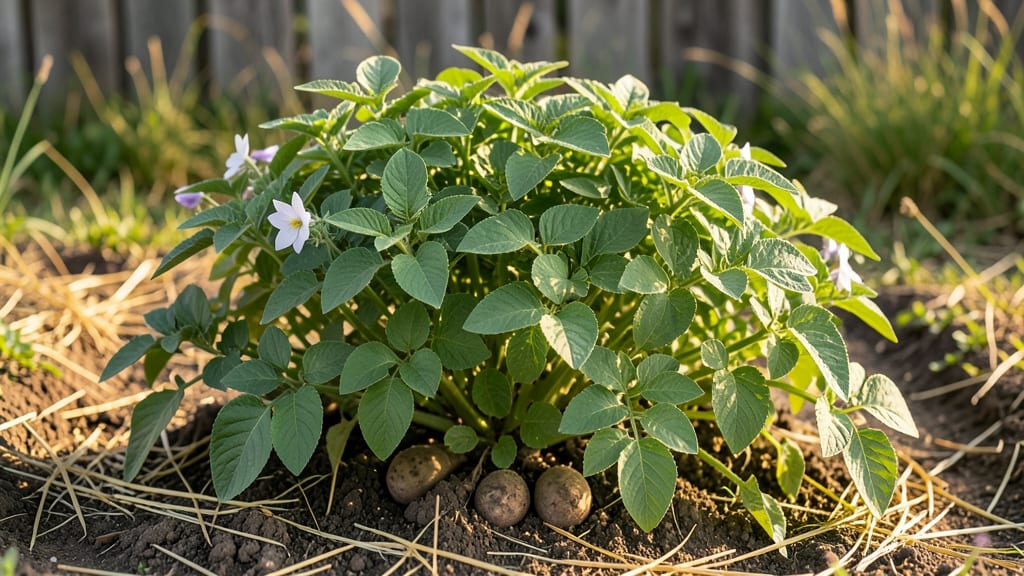
If you've ever wondered how tall a potato plant can grow, you're not alone. The truth is, these humble tubers can surprise you with their vertical growth—some varieties stretching nearly 4 feet tall while others stay compact, all without compromising that delicious harvest you're after.
Understanding how tall your potato plants grow isn't just about planning your garden layout—it's the key to maximizing your yield. Whether you're working with a small balcony container or a sprawling backyard plot, knowing the right height range for your chosen variety helps you avoid overcrowding or wasted space.
In this guide, I'll break down the typical height ranges for common potato varieties, from the bushy Red Pontiac to the towering Purple Viking, and share practical tips on how to manage their growth for the best results.
You'll also discover why height doesn't always equal bigger harvests—and what you can do to ensure your plants focus their energy where it counts.
Ready to transform your garden into a potato powerhouse? Let's dig in and find out exactly what to expect from your 🥔 potato plants this growing season.


Potato plant height by variety: from compact to towering
When planning your potato garden, knowing how tall your plants will grow helps you choose the right spot and spacing. Most potato varieties reach between 1 to 4 feet tall, but some can stretch even taller—especially if given ideal conditions.
The key difference lies in their growth habit: bush varieties stay compact, while vine types sprawl dramatically. For example, Yukon Golds typically hit 18–24 inches, while Russet Burbanks can tower up to 36 inches or more.
Taller varieties like Red Pontiac or Kennebec often produce more tubers because their extensive foliage captures sunlight efficiently. However, their height also means they need more space to avoid shading weaker neighbors.
If you're short on garden real estate, dwarf varieties (like Red LaSoda) stay under 12 inches but yield fewer potatoes. The trade-off? Compact plants require less maintenance but may not fill your harvest baskets as quickly.
Here’s the critical detail: potato plant height doesn’t always equal tuber size. Some of the shortest varieties (like Fingerling potatoes) produce small but flavorful tubers, while towering Russets can yield massive, starchy spuds.
Your goal should be balancing foliage height with tuber production—not just chasing the tallest stems.
| Variety | Mature Height | Growth Habit | Spacing Needs |
|---|---|---|---|
| Yukon Gold | 18–24 inches | Bushy | 12–15 inches apart |
| Russet Burbank | 30–36 inches | Vine-like | 18–24 inches apart |
| Red Pontiac | 24–30 inches | Semi-bushy | 15–18 inches apart |
| Red LaSoda | 12–18 inches | Compact | 10–12 inches apart |
| Fingerling (e.g., Purple Peruvian) | 12–20 inches | Bushy | 8–12 inches apart |
If you’re growing potatoes in containers, opt for shorter varieties like Red LaSoda or Yukon Gold, as they thrive in 12–18 inch deep pots. Taller varieties will outgrow containers quickly, leading to root-bound stress and poor tuber formation.
Pro tip: Use 5-gallon buckets for vine types, but add hilling soil as the plants grow to encourage deeper tuber development.
One common misconception is that taller potato plants always produce bigger tubers. In reality, excessive height can signal over-fertilization with nitrogen, which boosts foliage at the expense of tubers.
The ideal plant has a balanced ratio of leaves to stems, with just enough height to capture sunlight without going overboard. For most gardeners, 24–30 inches strikes the perfect balance between yield and manageability.
For organic gardeners, choosing shorter varieties simplifies mulching and hilling. Since they don’t sprawl as much, you can focus on soil health rather than staking or trellising. For example, Adirondack Blue (a blue-skinned heirloom) stays under 20 inches but thrives in loose, compost-rich soil.
The key is to match your variety to your garden’s vertical space and your harvest goals.
When in doubt, check the seed packet for mature height estimates and adjust your garden layout accordingly. If you’re planting near other crops, leave extra space for taller varieties like Kennebec, which can reach 36 inches in ideal conditions.
Remember: potatoes grow tubers underground, so their above-ground height is just one part of the equation. The real magic happens below the soil!
For container gardeners or small spaces, consider interplanting shorter varieties with faster-maturing crops like radishes or lettuce. This way, you maximize your yield without sacrificing vertical space. Whether you’re aiming for compact bush types or towering vines, knowing your potato’s height ensures a productive, well-organized garden.
🌱
Potato plant height by variety: from compact to towering
Potato plants don't grow like your typical bushy shrubs—their foliage height can range from 12 inches to over 3 feet, depending on the variety and growing conditions. While the tubers develop underground, the above-ground stems and leaves determine how much space you'll need in your garden.
Some varieties stay compact, while others send out long vines that need extra room to sprawl.
Most standard potato varieties like Russet or Yukon Gold typically reach 18 to 24 inches tall, making them ideal for traditional in-ground planting.
However, heirloom varieties such as Purple Viking or Red Pontiac can grow 3 to 4 feet tall, requiring more vertical space or even trellising in small gardens. Understanding these differences helps you plan your garden layout efficiently.
Potato Variety Height Guide
| Variety | Height Range | Growth Habit | Spacing |
|---|---|---|---|
| Yukon Gold | 18-24" | Bushy | 12-15" |
| Russet | 24-36" | Tall, vine-like | 15-18" |
| Red Pontiac | 20-30" | Medium bush | 12-14" |
| Purple Viking | 30-48" | Tall, sprawling | 18-24" |
| Fingerling (e.g., French Fingerling) | 12-18" | Compact | 8-12" |
The growth habit of your potato plants plays a crucial role in determining how much space they'll need. Bushy varieties like Yukon Gold stay relatively compact, making them perfect for small gardens or container growing.
In contrast, vine-like varieties such as Russet or Purple Viking can spread out significantly, requiring wider spacing or even vertical support. Always check the spacing recommendations on seed packets to avoid overcrowding, which can lead to smaller tubers and increased disease risk.
If you're growing potatoes in containers or raised beds, opt for shorter varieties like Fingerlings or Red Pontiac, which stay under 2 feet tall. These varieties also produce higher yields per square foot due to their compact growth.
For larger varieties, consider using deep containers (at least 12 inches deep) and providing trellises or cages to support their height while keeping the tubers contained.
One common misconception about potato plants is that taller plants always produce larger tubers. In reality, tuber size depends more on soil quality, sunlight, and proper hilling than just plant height. Some of the shortest varieties, like Fingerlings, actually produce dense, flavorful tubers despite their modest height.
Always focus on providing the right growing conditions rather than chasing taller plants for bigger harvests.
When planning your garden, consider interplanting potatoes with shorter crops like lettuce or radishes. This maximizes your space while giving potatoes room to grow vertically. Just be sure to harvest the shorter crops first to avoid competition for nutrients.
With the right variety and spacing, you'll create an efficient and productive potato patch that fits perfectly in your garden layout.