
Plants
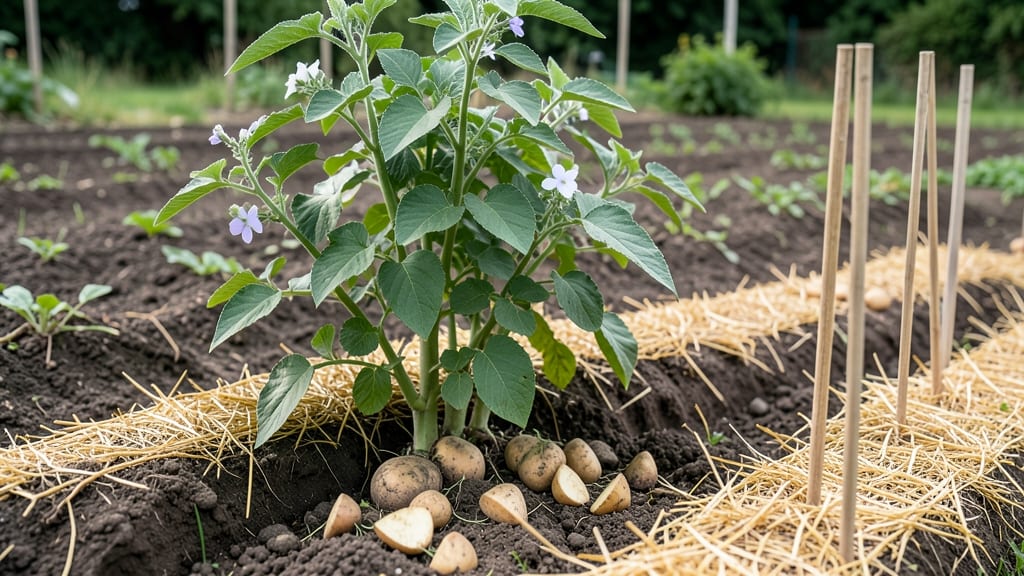
When do you plant potatoes in Colorado? Timing your potato planting in Colorado can mean the difference between a thriving harvest and a frost-bitten failure—especially with the state’s dramatic elevation shifts from lowland plains to towering mountains. If you’ve ever wondered why some gardeners swear by early spring starts while others wait until May, the answer lies in your specific zone’s last-frost dates and soil temperature quirks.
Colorado’s diverse growing zones (from USDA 4 in the high country to USDA 7 near Denver) create wildly different planting windows.
Plant too early in the mountains, and your 🥔 sprouts could face a late frost; wait too long in the Front Range, and you might miss the ideal 60–90-day growing window for your favorite varieties. The key? Matching your elevation to the right schedule.
I’ll break down the exact weeks to plant—whether you’re growing russets in Zone 5 or fingerlings at 8,000 feet—plus how to adjust for early vs. late varieties. No more guessing: just data-backed dates to maximize your yield, no matter where in Colorado you garden.
Ready to turn your potato patch into a bumper crop? Let’s dive into the frost-free dates, soil prep secrets, and variety choices that work for Colorado’s climate—so you can dig up success instead of disappointment.
Colorado’s potato planting calendar by elevation Zone (2024 dates)
Colorado’s elevation zones dictate when to plant potatoes—lowlands have longer growing seasons, while mountain regions demand earlier starts. The average last frost dates vary dramatically, from early April in Denver to late June above 8,000 feet. Using these zone-specific guidelines ensures your potatoes mature before the first frost.
For Lowland gardens (3,000–5,000 ft), like those in Denver or Colorado Springs, the ideal planting window opens in mid-April to early May. This aligns with soil temperatures reaching 45°F (7°C), perfect for seed potato sprouting.
Meanwhile, Foothills (5,000–7,000 ft), such as Fort Collins or Boulder, should wait until late April to mid-May to avoid frost damage.
Mountain regions (7,000+ ft), including Aspen or Leadville, require a 2–4 week earlier start, often in late March to early April. These areas benefit from cold-hardy varieties like Yukon Gold or Kennebec, which tolerate cooler soils. Always check your local USDA zone for precise adjustments—Colorado spans USDA Zones 4–7.
🌱
Timing also depends on whether you’re growing early-season, mid-season, or late-season varieties. For example, Red Pontiac (70–80 days to maturity) can be planted as late as mid-June in Lowlands for a fall harvest, while Russet Burbank (90–110 days) needs an earlier start to avoid frost.
Use row covers or cold frames to extend your planting window by 2–3 weeks in cooler zones. These tools protect young plants from late-spring frosts and early-fall chills, letting you plant 2–3 weeks earlier or harvest 2–3 weeks later.
For example, in Denver (Zone 5), row covers can push planting back to early March.
Always test your soil temperature with a soil thermometer—potatoes won’t sprout until soil reaches 45°F (7°C). In high-altitude zones, soil warms slower, so black plastic mulch can raise temperatures by 5–10°F and speed up sprouting.
This trick is especially useful in Zone 6 or higher, where frosts linger longer.
🌿
For fall planting, Colorado gardeners can also try late-summer potatoes (like Yukon Gold) in August, using fast-maturing varieties that harvest before the first frost. This method works best in Lowland zones where soil stays warm longer.
Always choose certified seed potatoes to avoid diseases like potato scab, which thrives in alkaline soils common in Colorado.
Pro tip: Keep a gardening journal to track your local frost dates and adjust planting times yearly. Colorado’s microclimates mean your neighbor’s success might not match yours—your elevation and aspect (north vs. south slope) matter most.
For example, a south-facing slope in Boulder (Zone 6) may warm 1–2 weeks earlier than a north-facing garden.
How to adjust planting times for early vs late potato varieties
Colorado gardeners know timing is everything when planting potatoes—especially with early varieties like red potatoes that mature in 60–75 days versus long-season russets needing 90+ days. Your elevation and last frost date determine whether you plant early potatoes in March or late varieties in May.
For lowland areas (3,000–5,000 ft), aim to plant early varieties by late March to early April to harvest before summer heat. In mountain regions (7,000+ ft), wait until mid-May to avoid frost damage, focusing on late-maturing varieties like Yukon Golds.
🌱 Pro Tip: Use row covers or cold frames to extend your planting window by 2–4 weeks in cooler zones. This lets you plant early varieties sooner without frost risk.
🌱 Early Varieties (60–75 Days)
- ✅ Best for: Lowlands (3,000–5,000 ft)
- ✅ Planting window: Late March–early April
- ✅ Examples: Red Pontiac, Early Rose, Fingerlings
- ✅ Harvest: June–July (before heat stress)
🌿 Mid-Season Varieties (75–90 Days)
- ✅ Best for: Foothills (5,000–7,000 ft)
- ✅ Planting window: Early April–mid-May
- ✅ Examples: Kennebec, Russet Burbank, Purple Viking
- ✅ Harvest: July–August (peak summer)
🏔️ Late Varieties (90+ Days)
- ✅ Best for: Mountains (7,000+ ft) or late starts
- ✅ Planting window: Mid-May–early June
- ✅ Examples: Yukon Gold, Russian Banana, Blue Congo
- ✅ Harvest: August–September (fall harvest)
If you’re in a high-altitude zone, prioritize late-maturing varieties with thicker skins to resist scab disease and cold snaps. For example, Russian Banana potatoes thrive in Zone 4–5 and tolerate cooler soils.
For urban gardeners with limited space, fingerlings (60–75 days) are ideal—they mature quickly and grow well in containers. Plant them in late April for a June harvest, even in Denver’s 5,280 ft elevation.
🌿 Remember: Soil temperature should be 45°F+ before planting. Use a soil thermometer to avoid planting too early—cold soil stunts growth and invites pests like wireworms.