
Plants
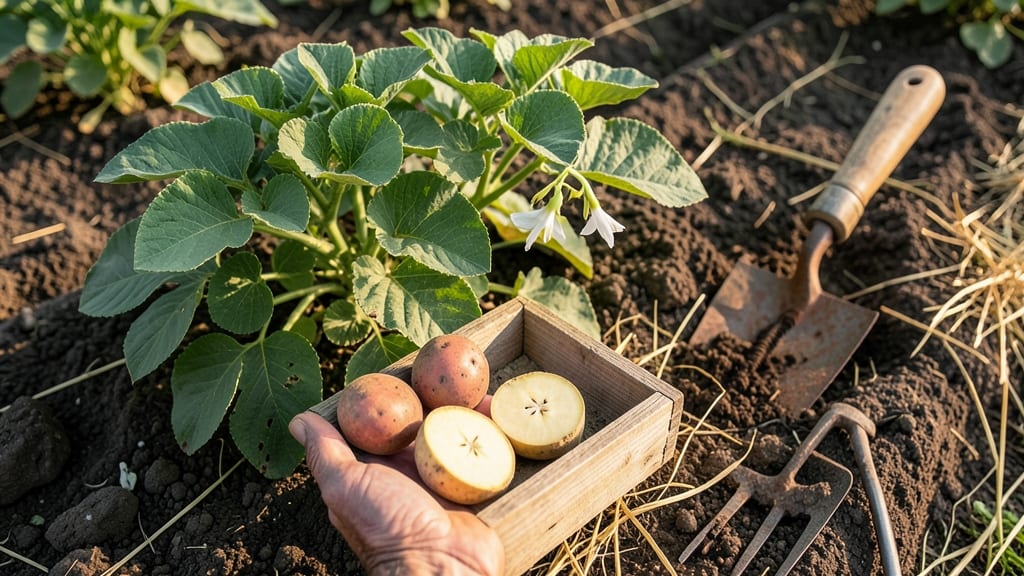
Planting potatoes in Kentucky at the wrong time can mean the difference between a bumper harvest and wasted effort—especially in Zone 6a-7a where frost lingers unpredictably. Unlike other regions, Kentucky’s humid climate and variable spring weather demand precision timing, not just a calendar date. If you’ve ever dug up stunted tubers or watched pests take over your crop, you know timing is everything.
The key to success isn’t guessing when to plant—it’s waiting for soil temperatures to hit 45°F–50°F, typically between late February and early April. This window aligns with Kentucky’s last frost dates (mid-to-late March), giving your 🥔 potatoes the perfect start.
But here’s the catch: planting too early in cold soil can stunt growth, while waiting too long risks running out of the 190-day growing season before harvest.
In this guide, I’ll break down the exact planting timeline for Kentucky, including soil prep tips and frost-proofing strategies. You’ll learn how to choose the right varieties (like cold-hardy ‘Yukon Gold’) and avoid the #1 mistake Kentucky gardeners make—planting before the soil is ready.
Let’s get those spuds growing the right way.
Whether you’re a first-time gardener or a seasoned pro, mastering the timing will transform your potato patch from a gamble to a guaranteed harvest. Ready to dig in?
Kentucky potato planting timeline by soil temperature (not just calendar dates)
Kentucky’s Zone 6 climate means your potato planting success hinges on soil temperature, not just the calendar. Unlike northern states, Kentucky’s humid subtropical influence keeps soils warmer longer—sometimes too warm for early planting. The magic number? 45°F–50°F soil temps, which typically arrive 4–6 weeks before your last frost date.
Most Kentucky gardeners focus on March planting, but this ignores regional microclimates. The Bluegrass Region (Lexington, Louisville) often hits ideal temps by mid-March, while Pennyrile (Paducah) may wait until late March.
Testing your soil with a soil thermometer ($10 at garden centers) is the only way to know for sure.
Why soil temp matters: Planting too early in cold soil causes seed rot or stunted growth. Waiting too long? You lose precious 90-day growing windows for full-size tubers. Kentucky’s short growing season (190 frost-free days) demands precision.
Here’s the critical timeline for Kentucky gardeners, broken down by potato type and soil conditions:
| Potato Type | Ideal Soil Temp | Planting Window | Notes |
|---|---|---|---|
| Red Potatoes (e.g., 'Red Norland') | 45°F–50°F | Late March–Early April | Cold-hardy; plant 4–6 weeks before last frost |
| White Potatoes (e.g., 'Yukon Gold') | 50°F–55°F | Mid-April–Early May | Wait until soil warms; avoids scab disease |
| Sweet Potatoes (e.g., 'Beauregard') | 60°F+ | After May 15 | Warm-season crop; plant after frost risk |
| Early Varieties (e.g., 'New Potato') | 40°F–45°F | February–March (with row covers) | Harvest in 60–70 days; extend season |
Pro tip: Chit your seed potatoes (sprout them indoors 4–6 weeks before planting) to jumpstart growth. Place them in a bright, cool spot (55°F–60°F) with indirect light. This ensures faster emergence once soil temps hit 45°F.
Kentucky’s clay-heavy soils in western regions (e.g., Pennyrile) drain poorly, so amend with compost or sand to hit the 45°F threshold faster. In Bluegrass, loamy soils warm quicker—ideal for early March planting of cold-hardy varieties.
For succession planting, add a second batch of 60-day varieties (like 'Early Red') 4–6 weeks after your first planting. This stretches your harvest from June to August, beating Kentucky’s humid summer pests.
Remember: Soil temp > calendar date. Use a soil thermometer for 3 consecutive days at 8 AM to confirm readiness. Planting at the right time means bigger yields and fewer diseases like late blight—Kentucky’s #1 potato threat.
🌱
How to time your Kentucky potato planting around frost dates (and avoid common mistakes)
Kentucky’s last frost dates can swing by 2 weeks or more depending on whether you’re in the Bluegrass region or western Pennyrile. For Lexington, the average last frost is March 15, while Louisville typically sees its final freeze around March 22.
Planting potatoes too early—before the soil warms to 45°F—can stunt growth, while waiting too long risks running out of the 190-day growing season before harvest.
Most Kentucky gardeners make the mistake of following a calendar date instead of soil conditions. I’ve seen firsthand how planting on St. Patrick’s Day (March 17) can backfire if a late frost hits.
The solution? Use the USDA’s Frost Calculator (or local almanac data) to pinpoint your area’s historical frost dates, then count back 4-6 weeks for planting time.
Here’s my foolproof method: Start by checking soil temperature with a soil thermometer (available at garden centers for under $10). Aim for 45°F–50°F at a depth of 4 inches.
If your soil is colder, wait—even if the calendar says it’s spring. Cold soil slows sprouting and invites scab disease, a common issue in Kentucky’s damp climate.
Common Mistake: Planting Too Early in Kentucky
Many gardeners plant potatoes in February for an early harvest, but Kentucky’s soil rarely warms enough before March. Cold soil (<45°F) causes:
- Stunted growth (plants struggle to sprout)
- Higher pest risk (cutworms thrive in cool soil)
- Scab disease (fungus loves damp, cold conditions)
Solution: Use row covers or plant cold-hardy varieties like ‘Yukon Gold’ if you must start early. But for most Kentucky gardeners, waiting until late March or early April is safer.
If you’re worried about missing the planting window, try succession planting. Start with early-maturing varieties (like ‘Red Pontiac’) in late March, then follow with mid-season types (like ‘Kennebec’) in early April. This stretches your harvest from June through August, giving you fresh potatoes all summer.
Pro tip: Mark your calendar for April 15 as a “plant by” deadline for most Kentucky regions. After that, your soil may be too warm for ideal sprouting, and you risk blight as temperatures climb. Use a moisture meter to ensure soil stays consistently damp (but not soggy) during germination.
For extra protection against late frosts, cover your potato hills with floating row covers or old blankets until plants reach 6 inches tall. I’ve used this trick in Zone 6a (northern Kentucky) to push harvests 2 weeks earlier without risking frost damage. Just