
Plants
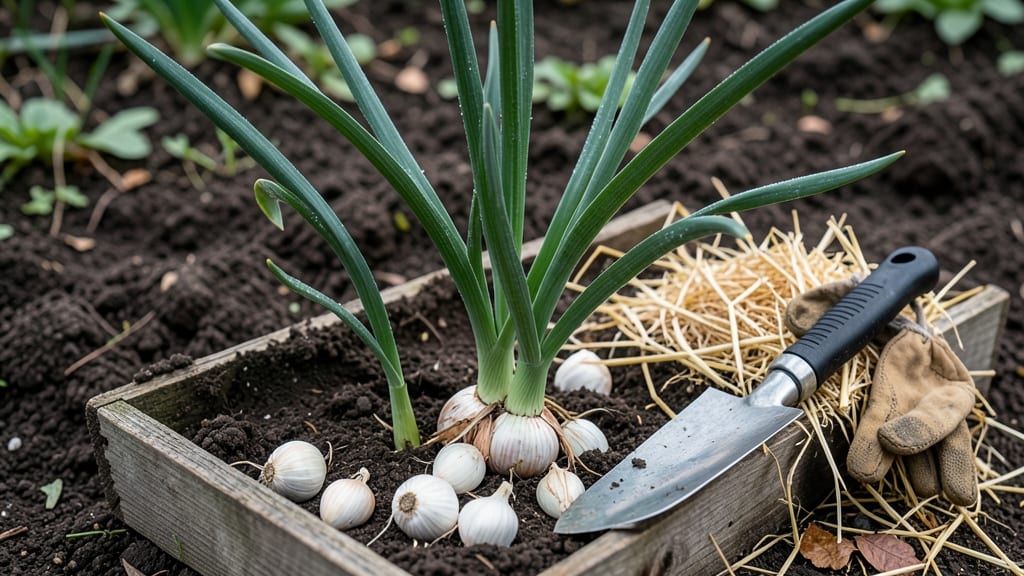
If you've ever wondered when do you plant garlic in Wisconsin, timing is the secret to growing those prized, flavorful bulbs. Wisconsin’s cool climate demands precision—plant too early, and you risk frost damage; too late, and your harvest suffers.
The ideal window is narrow but critical, especially for hardneck varieties that thrive in our 4a-6b zones.
Most Wisconsin gardeners swear by fall planting between October and November, giving cloves time to root before winter. But early spring (March-April) works too, if you’re willing to rush. The key? Planting 4-6 weeks before the ground freezes ensures strong roots before dormancy kicks in.
Why does this matter? Garlic planted at the right time yields larger bulbs with fewer pests and better flavor. I’ll break down the exact dates for your zone, soil prep tips, and how to protect your crop from Wisconsin’s unpredictable frosts—so you can harvest plump, homegrown 🧄 come summer.
Skip the guesswork and learn the proven schedule that works for Wisconsin’s gardeners, whether you’re a beginner or a seasoned grower. Let’s get those cloves in the ground the right way!
Best planting dates for garlic in Wisconsin by Zone
Wisconsin’s climate—with its cold winters and short growing seasons—demands precise timing for garlic. Most gardeners here plant in fall (October–November) to let bulbs establish roots before winter.
But if you miss that window, early spring (March–April) is your backup. The key? Planting 4–6 weeks before the ground freezes ensures strong root growth before dormancy.
Wisconsin spans USDA Zones 3–5, so your exact dates depend on location. Northern areas (Zone 3–4) have shorter windows, while southern regions (Zone 5) can plant slightly later.
For example, in Madison (Zone 5), aim for mid-October to early November. In Duluth (Zone 3), wrap up by late September to avoid frost damage.
Hardneck garlic (the preferred variety in Wisconsin) thrives with cold vernalization—meaning it needs winter chill to form bulbs. Softneck varieties, while less common here, can tolerate slightly later plantings but won’t flavor as boldly.
Spring planting is riskier but works if you’re late. Plant as soon as soil reaches 40°F and expect harvests 4–6 weeks later than fall-planted garlic. Spring garlic won’t store as long, but it’s a lifesaver for forgetful gardeners!
For hardneck varieties (like ‘German White’ or ‘Music’), fall planting is non-negotiable—they need winter chill to form scape-producing bulbs. Softnecks (like ‘Artichoke’) can handle later plantings but won’t flavor as intensely.
Test your soil’s pH (6.0–7.0) before planting; Wisconsin’s clay soils often need compost or sand for drainage.
If you’re planting in late fall, cover beds with 4–6 inches of straw mulch to insulate bulbs from temperature swings. Remove mulch in early spring to let soil warm. Avoid planting if soil temps drop below 35°F—garlic cloves won’t root properly.
Spring planting works best for softneck varieties or if you’re growing garlic for early harvests (not storage). Time it so bulbs mature before July’s heat, which can stress plants. Use row covers in early spring to accelerate soil warming.
Wisconsin’s first hard frost (avg. mid-October) is your deadline for fall planting. If you’re unsure, err on the earlier side—garlic grows slowly in cool soil. Mark your calendar for October 1–15 in most of the state, adjusting northward for earlier dates.
Remember: Hardneck garlic planted in fall will sprout in spring, send up scape stalks in June, and be ready to harvest by July 4th. Spring-planted garlic skips the scapes but may still produce smaller bulbs. Choose your timing wisely!
Best planting dates for garlic in Wisconsin by Zone
Wisconsin’s 4a-6b climate zones mean your garlic planting window shifts slightly depending on where you live. In Zone 4a (northern WI), aim for mid-October to early November—this gives cloves time to root before the ground freezes.
For Zone 5a-6b (southern WI), you’ve got a bit more flexibility: late October to mid-November works best.
Why the difference? Colder zones freeze faster, so you need to plant earlier. Pro tip: Check your last frost date (usually mid-to-late October in WI) and plant 4-6 weeks before that date. This ensures roots establish before winter dormancy.
| Zone | Ideal Planting Window | Soil Temp Threshold | Variety Recommendation |
|---|---|---|---|
| 4a (Northern WI) | Mid-October to Early November | 40-50°F (4-7°C) | Hardneck (e.g., 'Music', 'German White') |
| 5a (Central WI) | Late October to Mid-November | 45-55°F (7-13°C) | Hardneck or Softneck (e.g., 'Silverskin') |
| 6b (Southern WI) | Late October to Early December | 50-60°F (10-16°C) | Softneck (e.g., 'Artichoke') |
Spring planting is possible in Wisconsin, but it’s riskier. If you miss fall, plant in early March to mid-April—just before soil warms to 40°F (4°C).
Spring garlic grows faster but often yields smaller bulbs due to shorter daylight. Hardneck varieties perform best in WI’s climate, producing those prized flavorful scapes in summer.
Missed the fall window? Don’t panic. Some gardeners plant in December or even January if soil isn’t frozen, but growth slows dramatically. For best results, stick to fall—it’s the gold standard for Wisconsin garlic growers. Mulch heavily after planting to insulate cloves from temperature swings.
Pro move: Use a soil thermometer to confirm temps are right. Garlic cloves need 40-50°F (4-10°C) soil to root properly. If temps drop below freezing before roots form, your crop may fail. Timing is everything—don’t rush!
Need a backup plan? Start cloves indoors in January for an early spring transplant. Just keep them in a cool, dark spot until soil is workable. Wisconsin’s unpredictable weather means flexibility is key!