
Plants
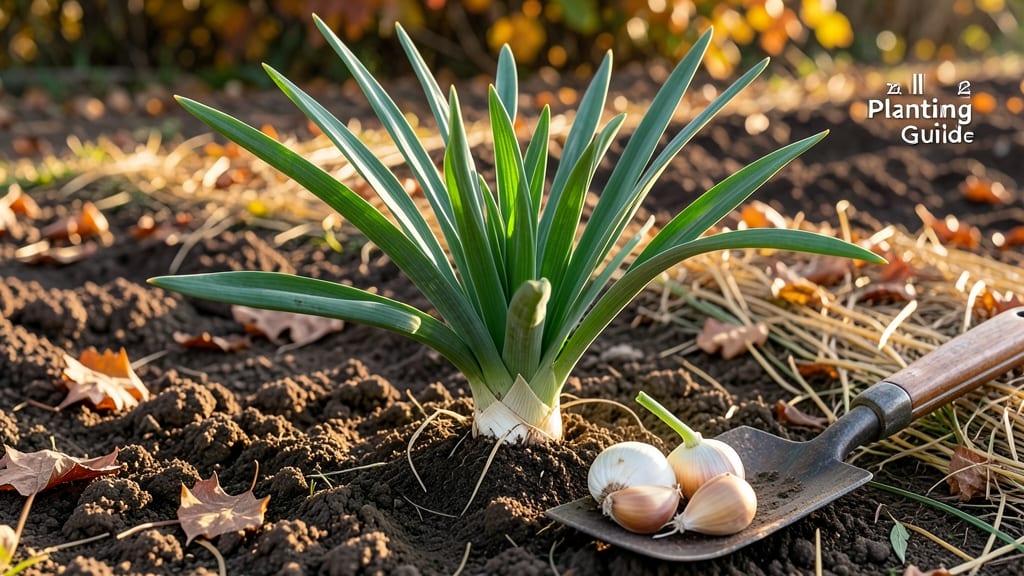
Planting garlic in Vermont isn’t just about timing—it’s about outsmarting the climate to grow bulbs that rival the best farmers' markets.
With USDA Zone 4b-6a winters and unpredictable frost, getting your 🧄 cloves in the ground at the right moment makes all the difference between a thriving harvest and wasted effort.
Most Vermont gardeners swear by fall planting—between late September and early October—when soil temps drop but the ground stays workable. This gives hardneck varieties (the cold-hardy type favored here) time to establish roots before winter, while softneck types need a gentler approach.
But here’s the catch: planting too early or too late can send your garlic into bolting mode or leave it vulnerable to heaving during freeze-thaw cycles.
I’ll walk you through the exact window for your part of the state, plus soil prep secrets and how to adjust for rocky terrain or deer pressure. Whether you’re a first-timer or a veteran grower, these tips will help you avoid common mistakes and maximize your mid-July harvest.
Ready to turn your Vermont garden into a garlic powerhouse? Let’s dive into the schedule that works with your climate—not against it.
Vermont garlic planting calendar: hardneck vs softneck timing explained
Vermont’s USDA Zones 4b-6a create a unique challenge for garlic growers—too early, and your cloves rot; too late, and they won’t root before winter. The key? Planting hardneck varieties (like Music or German White) between late September and early October, when soil temps drop to 40-50°F.
This timing ensures roots establish before the ground freezes, while softneck varieties (like Artichoke) need a gentler spring planting in April.
Northern Vermont (Zones 3-4) has a shorter window—aim for mid-September to October 1st—while southern areas (Zones 5-6) can stretch until mid-October. The rule of thumb?
Plant 4-6 weeks before the first hard frost, which in Vermont typically hits mid-October in the north and late October in the south.
Why does this matter? Hardneck garlic needs cold vernalization to form bulbs, while softneck types prefer milder winters. Planting at the wrong time can trigger bolting (flowering) or leave bulbs stunted.
I’ve seen gardeners in Burlington lose entire crops by planting in November—the soil was too cold for roots to take hold.
Here’s the golden rule: Soil temperature matters more than air temperature. Use a soil thermometer to confirm temps are below 50°F before planting. If you’re unsure, check your local Vermont weather station or the UVM Extension for frost date updates.
If you’re in northern Vermont (e.g., St. Johnsbury or Burlington), prioritize hardneck varieties like Chesnok Red or Silverskin. These thrive in your Zone 4
5 Critical factors that determine your Vermont garlic planting success
Timing is just the first piece of the puzzle—your Vermont garlic’s success hinges on five non-negotiable factors. I’ve learned the hard way that skipping even one can turn your hardneck harvest into a flop. Let’s tackle these head-on, starting with soil prep—the foundation of every thriving garlic bed.
First, Vermont’s rocky, acidic soils (pH 5.5-6.5) need amending. Aim for a slightly acidic to neutral range (6.0-7.0) by mixing in composted manure or aged compost.
I swear by a 2-inch layer of compost worked into the top 6 inches of soil—this improves drainage while retaining moisture, which is critical during Vermont’s unpredictable freeze-thaw cycles.
Key Takeaway
Vermont gardeners should test soil pH in early September—use a simple test kit (like Luster Leaf) to avoid over-amending. Adjust with lime (to raise pH) or sulfur (to lower pH) 2-3 weeks before planting.
Next, clove size matters. Skip the tiny cloves—they’ll produce weak bulbs. Choose large, plump cloves (about 1-inch diameter) from hardneck varieties like ‘Music’ or ‘German White’. I source mine from Vermont-based seed suppliers (e.g., High Mowing Seeds) to ensure cold-hardy stock.
Break apart bulbs just before planting—never store separated cloves longer than a week, or they’ll dry out.
Depth and spacing are often overlooked, but they’re make-or-break for Vermont’s harsh winters. Plant cloves 2 inches deep with the pointy end up, spaced 6 inches apart in rows 12 inches apart.
This spacing prevents crowding, which invites disease, and ensures each plant gets full sun exposure—critical for bulb development. Use a hand trowel for precision, especially on rocky terrain.
Mulching is your secret weapon against Vermont’s freeze-thaw cycles. After planting, cover beds with 4-6 inches of straw mulch (avoid hay—it can harbor weeds). The mulch insulates soil, preventing heaving (when bulbs push up and break) during winter.
I top off mulch in late November after the first hard frost, and remove it in early April to let soil warm gradually.
Finally, protect from wildlife. Deer, voles, and even hungry raccoons will dig up your garlic. Use chicken wire cages (12 inches tall) or plant near deer-resistant perennials like lavender or rosemary.
I’ve also had success with row covers in early spring to shield emerging shoots from late frosts—Vermont’s May frosts can devastate tender garlic.