
Plants
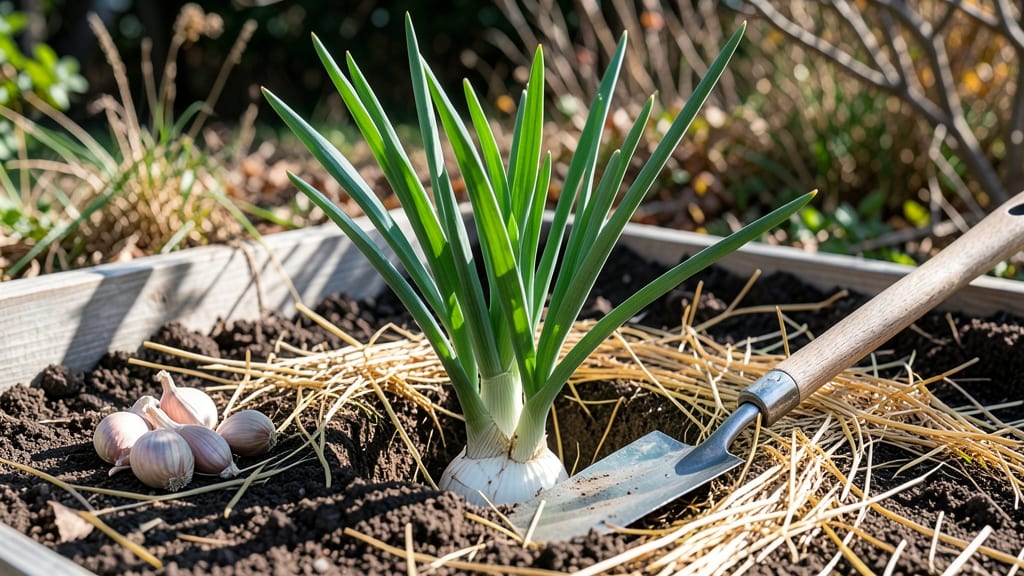
Planting garlic in New York at the wrong time can mean the difference between a thriving crop and wasted effort—especially when hardneck and softneck varieties demand completely different timing.
The key lies in understanding your USDA Zone (5b-7a), which dictates when to plant cloves before the first frost, typically between late September and early October for optimal results.
Many gardeners assume garlic can be planted anytime in fall, but New York’s short growing season and unpredictable winters make timing critical. Hardneck varieties, like Rocambole or Purple Stripe, need a cold period to form bulbs, while softnecks, such as Silverskin, are more flexible but still benefit from early planting.
In this guide, I’ll break down the month-by-month planting schedule for both types, including soil prep and frost considerations. Whether you’re in NYC or Upstate, these strategies will help you avoid common mistakes and maximize your harvest by mid-July.
Ready to grow garlic that rivals your favorite grocery store find? Let’s dive into the perfect planting window and pro tips tailored just for New York gardeners.
New York garlic planting calendar: month-by-month guide for hardneck and softneck varieties
New York gardeners know timing is everything—especially when planting garlic. The USDA Zones 5b-7a across the state mean your planting window can shift from late September in NYC to early October in Upstate regions.
But here’s the secret: hardneck and softneck garlic have completely different schedules, and planting them at the wrong time can ruin your harvest.
For hardneck garlic, the ideal window is October 1–15—just 4–6 weeks before the ground freezes. This gives roots time to establish before winter dormancy. Meanwhile, softneck varieties are more flexible, allowing planting until late November, as they don’t need cold vernalization to form bulbs.
Let’s break it down by month so you don’t miss the boat.
If you’re in NYC or Long Island (Zone 7a), aim for October 1–15—this gives hardneck varieties enough time to vernalize (develop cold resistance) before winter.
Upstate gardeners in Zone 5b–6b can push it to mid-October, but avoid planting after November 1 unless you’re growing softneck varieties for storage.
Here’s the hard truth: Planting hardneck garlic after November 15 in NYC or November 30 in Upstate regions will likely result in small, weak bulbs—or worse, no harvest at all.
The 4–6 week window before freezing is non-negotiable for hardnecks, which rely on cold temperatures to form bulbs.
For softneck garlic, the rules are more flexible. These varieties don’t need cold vernalization, so you can plant them up to December 1 in Upstate areas—just ensure the soil isn’t frozen. They’re perfect for storage garlic and thrive in warmer microclimates, like greenhouses or protected beds.
One critical mistake I see in New York gardens? Planting garlic too shallow (less than 2 inches deep) or in waterlogged soil. Both lead to rot and poor survival.
Aim for 4–6 inches deep in well-draining soil, and always plant the pointy end up—this ensures straight growth and better bulb formation.
Don’t forget: Mulch heavily after planting (use straw or leaves) to insulate bulbs during winter. In Zone 5b (Upstate), mulch can add 5–10°F protection against freezing. And if you’re in Zone 7a (NYC), a thick layer of mulch can extend your planting window by 1–2 weeks.
Finally, mark your calendar for harvest time: mid-July to late July of the following year. That’s when you’ll see those golden, plump bulbs you’ve been waiting for—if you planted at the right time!
Hardneck vs softneck garlic: why planting timing matters for yield and flavor
New York gardeners often overlook the critical differences between hardneck and softneck garlic when planning their planting schedule. These two varieties aren’t just different in appearance—they also have distinct growth cycles that demand specific timing for optimal results.
Hardneck garlic, like Purple Stripe or Rocambole, thrives when planted in late September to early October because it requires a cold winter period to form bulbs. Without this cold snap, you’ll end up with small, weak bulbs or even no harvest at all.
Softneck varieties, such as Silverskin or Artichoke, are more flexible but still benefit from early planting. They don’t need the same cold stratification as hardnecks, but planting them too late—after mid-November—can stunt their growth.
In New York’s USDA Zones 5b-7a, softnecks can sometimes be planted as late as December, but they’ll produce smaller bulbs if the ground freezes before roots establish.
Hardneck vs Softneck Garlic: Key Differences
| Feature | Hardneck Garlic | Softneck Garlic |
|---|---|---|
| Cold Requirement | Essential for bulb formation | Not required |
| Best Planting Time | Late Sept–early Oct | Late Sept–Dec (if soil unfrozen) |
| Flavor Profile | Bold, spicy, complex | Milder, sweeter, longer storage |
| Bulb Size | Larger, fewer cloves | Smaller, more cloves |
| Harvest Time | Mid-July | Late July–early Aug |
One of the biggest mistakes I see in New York gardens is planting hardneck garlic too late. If you miss the October window, the cloves won’t get enough cold exposure, and you’ll likely end up with underdeveloped bulbs or even no harvest.
For example, in Upstate New York (Zone 5b), the ground freezes by mid-November, so planting after early October risks poor results. Meanwhile, in NYC (Zone 6b-7a), you have a slightly longer window—up to mid-November—but softnecks still perform best when planted before December 1st.
Another common error is assuming all garlic is the same. Hardneck varieties are prized for their bold, spicy flavor and are perfect for roasting or braiding, while softnecks store longer and are ideal for cooking.
Planting the wrong type for your goals can be frustrating—like choosing a hardneck for storage when you need a softneck. Always match your planting timing to your intended use to avoid disappointment.
To maximize your garlic harvest, I recommend planting both types if you have space. Use hardnecks for early October planting and softnecks for a slightly later window (up to November).
This way, you’ll have two harvests—one in mid-July (hardneck) and another in late July (softneck)—and a variety of flavors for your kitchen. Just remember: timing is everything in New York’s climate, where a late frost or early freeze can turn a great crop into a bust.
Pro tip: If you’re unsure about your last frost date, check local weather records or use a frost calendar for your specific NY region. Planting 4-6 weeks before the first hard frost gives garlic enough time to establish roots before winter sets in.
For hardnecks, this means early October is your sweet spot—don’t wait until November!