
Plants
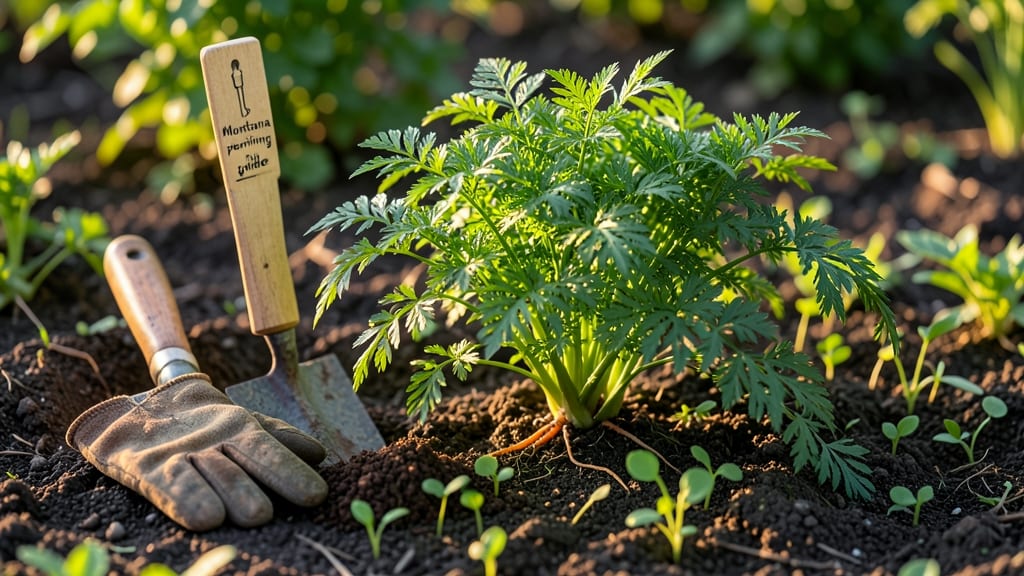
Timing your when to plant carrots in Montana isn’t just about following a calendar—it’s about outsmarting the state’s tricky climate shifts that can turn sweet 🥕 harvests into bitter disappointments.
With USDA zones 4-6 and frost dates that vary wildly from Missoula to Great Falls, planting too early risks bolting, while waiting too long means stunted roots before winter sets in.
Montana’s short growing season demands precision: April-June and August-September are your prime windows, but even then, soil temperatures and day length play critical roles.
I’ll break down exactly when to start seeds indoors (yes, it’s worth it!) and how to stretch your harvest with late-summer succession plantings—because nobody wants to miss out on homegrown carrots from July through October.
What sets Montana apart? Rocky soil that forks roots and unpredictable spring warmth that triggers bolting. I’ll share the top 3 varieties that handle these challenges plus a simple trick to test your soil’s readiness—no guesswork, just crisp, straight roots every time.
Let’s get those seeds in the ground the right way.
Whether you’re a first-time gardener or a veteran grower, these Montana-specific tips will help you avoid the most common mistakes. By the end, you’ll know not just when to plant, but how to give your carrots the perfect start—so you can enjoy that first harvest before the snow flies.
Ready to dig in?
Best planting months for carrots in Montana’s climate zones
Montana’s diverse climate zones—from USDA Zone 4 in high-altitude areas like Bozeman to Zone 6 in lower elevations such as Great Falls—create unique challenges for carrot growers. Unlike warmer climates, Montana’s short growing season (just 120-150 frost-free days) demands precise timing to avoid bolting or stunted growth.
The key is planting when soil temperatures consistently reach 45°F and day lengths aren’t too long.
Most Montana gardeners succeed with two planting windows: early spring (April–May) and late summer (August–September). Early spring plantings benefit from cooler soil and shorter days, while late-summer crops mature before the first frost in late September.
High-altitude areas (like Zone 4) should start seeds indoors in March for an earlier transplant, while lower elevations can direct-sow as early as mid-April.
Here’s how Montana’s microclimates influence your planting schedule:
For succession planting, sow carrots every 2–3 weeks from April through June to ensure a continuous harvest. In Zone 6 areas, you can even squeeze in a late-July planting for a fall crop, but monitor soil moisture closely—dry spells in Montana’s summer can cause forked roots or bitter flavors.
Pro tip: Use a soil thermometer to confirm soil temps are above 45°F before planting. In Montana’s rocky soil, amend beds with compost or sand to improve drainage and prevent forking. This is especially critical in Zone 4, where compacted soil is common.
If you’re in a high-altitude area, prioritize early-maturing varieties (like ‘Early Nantes’) to avoid bolting. These varieties typically reach harvest in 50–60 days, giving you a better chance to beat Montana’s first frost in late September.
For lower elevations, you can afford slightly slower varieties like ‘Danvers Half Long,’ which store well for winter.
Timing isn’t just about months—it’s about day length. Carrots bolt when exposed to longer daylight hours (14+ hours), so avoid planting after mid-June in northern Montana. Instead, focus on late-summer plantings in August when days begin shortening again.
Montana’s unpredictable weather means always have row covers ready to protect young seedlings from late frosts. In Zone 4, these covers can extend your planting window by 2–3 weeks in spring and add 10–14 days to your fall harvest.
For gardeners in Zone 5–6, don’t overlook fall planting. Sow seeds in early September for a harvest before the ground freezes. Just ensure your variety matures in 60–70 days to avoid winter’s bite.
How to avoid carrot bolting in Montana’s unpredictable spring
Montana’s spring is a double-edged sword for carrot growers: one day it’s 30°F with snow, the next it’s 70°F and sunny—perfect conditions for bolting. When carrots bolt (flower prematurely), they develop bitter, woody roots that ruin your harvest.
The key to preventing this is understanding the three critical triggers: soil temperature, day length, and seed variety choice.
First, soil temperature is your biggest enemy. Carrots need soil that’s at least 50°F to germinate and grow steadily. In Montana’s Zone 4-6, this often means waiting until late April or early May—even if daytime temps feel warm.
Use a soil thermometer to check; planting too early in cold soil causes slow, uneven growth, which stresses plants and triggers bolting.
⚠️ WARNING: BOLTING RISK ZONES
Avoid planting carrots in Montana if:
- Soil temps are below 50°F (use a thermometer!)
- Daytime highs exceed 75°F for 3+ days in a row
- You’re using short-day varieties (like Chantenay) in long summer days
Pro Tip: Start seeds indoors 6-8 weeks before your last frost date to bypass spring’s temperature swings.
Next, day length plays a sneaky role. Montana’s long summer days (up to 16 hours of sunlight in June) signal carrots to bolt faster. If you plant in late May or June, choose long-day tolerant varieties like ‘Nantes’ or ‘Danvers Half Long.’
For fall plantings, aim for August-September when days shorten naturally, reducing bolting risk.
Finally, seed variety makes all the difference. Some carrots are bred to handle Montana’s climate better than others. For example, ‘Pariser Market’ (a round, heirloom type) bolts later than standard varieties, while ‘Rainbow’ (a colorful mix) thrives in cooler soils.
If you’re planting in high-altitude areas like Bozeman (Zone 4), opt for short-season varieties with a 50-60 day maturity to avoid fall frosts.
To test your bolting risk before planting, do this simple ZIP code check:
- Look up your Montana last frost date (e.g., May 15 in Missoula, June 1 in Great Falls).
- Subtract 60 days to find your ideal planting window.
- Use a soil thermometer to confirm temps are 50°F+ at planting time. If your window falls in late April-early May, you’re in the high-risk zone—consider starting seeds indoors or using row covers to stabilize soil temps.
Remember, bolting isn’t always bad—it means your carrots are healthy and ready to go to seed! But for sweet, crisp roots, timing is everything.
By mastering these three factors, you’ll skip the bitter harvests and enjoy homegrown carrots from July through October, no matter where in Montana you garden. 🥕