
Plants
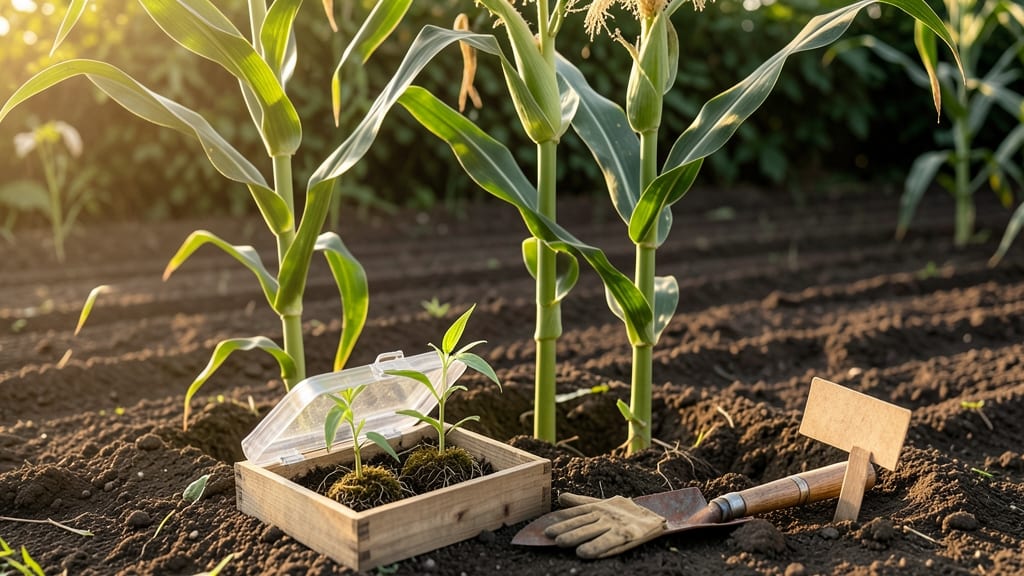
Planting corn in North Carolina at the wrong time can turn your 🌽 dreams into disappointment—whether it's stunted growth from cold soil or ears ruined by early frost.
The key to a thriving harvest lies in understanding your region's frost dates, soil warmth, and the perfect window between mid-April and early June.
Here's the truth: USDA zones 6a-8b give NC gardeners a head start, but Coastal Plain areas warm up faster than the Piedmont.
I'll show you exactly how to time your planting for your specific corner of the state, so you're not left guessing whether your soil is ready or if those 60-day varieties will mature before frost hits.
You'll also discover why soil temperature matters more than calendar dates—corn won't germinate properly below 50°F, no matter how eager you are to plant. Plus, I'll reveal the best varieties for your microclimate and how to adjust timing for early vs. late harvests.
Ready to grow corn that's tall, sweet, and ready to pick by summer? Let's dive into the exact steps to time your planting perfectly for North Carolina's unique growing conditions.
North Carolina frost dates & soil temperature requirements for corn planting
North Carolina’s diverse climate zones mean frost dates and soil temperatures vary dramatically from the Coastal Plain to the Mountains. For corn, which thrives in warm soil (50°F+ for germination), timing your planting after the last frost is critical—but soil temperature matters more than air temperature.
In most of NC, corn should go in the ground 2-3 weeks after the average last frost date, when soil consistently stays above 60°F.
For example, in Raleigh (USDA Zone 7b), the last frost typically occurs around March 15-April 1, but corn shouldn’t hit the soil until mid-April to early May.
Meanwhile, in Asheville (Zone 7a), where nights stay cooler, wait until late April to early May—even if frost risk has passed. Coastal areas like Wilmington (Zone 8a) can start as early as late March, but monitor soil temps closely.
Soil temperature is your best guide, not just frost dates. Use a soil thermometer to confirm the top 2 inches of soil are 55°F+ before planting. Cold soil delays germination, leading to uneven sprouts and weaker plants.
If your soil is still chilly, consider black plastic mulch to warm it faster—this can shave off 1-2 weeks of waiting time.
Corn also needs 120-150 frost-free days to mature, so late plantings risk stunted ears. In Zone 6a (western NC), aim for April 15-May 1, while Zone 8b (Coastal Plain) can stretch plantings into early June for fall harvests.
Always check your local USDA zone and historical frost data to fine-tune your schedule.
🌱 North Carolina Corn Planting Timeline by Region
| Region | USDA Zone | Avg. Last Frost | Ideal Planting Window | Soil Temp. Goal |
|---|---|---|---|---|
| Coastal Plain | 8a-8b | Late Feb - Early March | Late March - Early May | 55°F+ |
| Piedmont | 7a-7b | Mid-March - Early April | Mid-April - Early June | 60°F+ |
| Mountains | 6a-7a | Late April - Early May | Late May - Early June | 65°F+ |
💡 Pro Tip: Use a soil thermometer for 3 consecutive days to confirm readiness.
If you’re unsure about your local frost dates, check the NC State Climate Office or use the Almanac’s Frost Calculator for your county. These tools provide historical averages and help you plan for 10-year trends.
For example, Wilmington’s last frost has shifted 2 weeks earlier in recent decades due to climate change, so rely on recent data, not outdated guides.
Another key factor is corn variety maturity. Early varieties (like 'Early Sunglow') need only 60-70 days to harvest, while late varieties (like 'Golden Bantam') take 100+ days.
Plant early varieties in April for summer harvests, and late varieties in May-June for fall harvests. This flexibility lets you stretch your growing season and avoid frost damage to tender ears.
For container growing, which is popular in urban NC areas, start seeds indoors 4-6 weeks before your last frost date. Use biodegradable pots to transplant seedlings directly into the garden, minimizing root disturbance.
Containers warm up faster than soil, so you can plant 1-2 weeks earlier than in-ground corn—just ensure pots are at least 12 inches deep to accommodate roots.
Finally, consider succession planting for a continuous harvest. Plant a second crop in early June (if your season is long) using fast-maturing varieties. This works best in Zones 7b and 8a, where frost-free days extend into
Best corn varieties for North Carolina & their ideal planting times
Choosing the right corn variety for North Carolina is half the battle—especially when timing your planting window correctly. The state’s USDA zones 6a-8b allow for a wide range of options, but not all varieties thrive equally in Raleigh’s humid summers or the Piedmont’s cooler nights.
I’ve narrowed down the top performers, including sweet corn, field corn, and popcorn, with their ideal planting dates tailored to NC’s microclimates.
For sweet corn, varieties like 'Silver Queen' (70 days to maturity) and 'Peaches and Cream' (75 days) are crowd favorites. These early-to-mid season varieties should hit the soil between mid-April and early May in most of the state.
Plant them too late, and you risk ears maturing just as fall frosts roll in by October. Meanwhile, 'Pioneer 39T73' (85 days) is a late-season variety that needs a June planting to avoid frost damage in cooler regions like the Mountains.
If you’re growing field corn or popcorn, opt for varieties like 'Country Gentleman' (110 days) or 'Stowell’s Evergreen' (120 days). These longer-maturing types demand earlier starts—late March to early April—to ensure kernels fully develop before the first frost.
Don’t overlook soil temperature here; these varieties need consistent warmth to germinate, so wait until the ground reaches 50°F.
Here’s a quick guide to match your variety with the right planting window:
| Variety | Type | Days to Maturity | Ideal Planting Window | Best For |
|---|---|---|---|---|
| Silver Queen | Sweet Corn | 70 | Mid-April to early May | Coastal Plain, Piedmont |
| Peaches and Cream | Sweet Corn | 75 | Late April to early May | Humid climates |
| Pioneer 39T73 | Sweet Corn | 85 | June (late starts) | Mountains, short seasons |
| Country Gentleman | Field/Popcorn | 110 | Late March to early April | Early harvests |
| Stowell’s Evergreen | Popcorn | 120 | Early April | Long seasons |
Pro tip: For successive plantings, stagger your corn every 2 weeks to extend your harvest. This works especially well for sweet corn, ensuring you have fresh ears ready from July through September.
Just remember—soil temperature is your best friend. Use a soil thermometer to confirm it’s 50°F or warmer before dropping seeds in the ground, even if the calendar says it’s spring.
If you’re in the Mountains, like Asheville or Boone, push your planting back by 2-3 weeks to avoid late spring frosts. Meanwhile, gardeners in the Coastal Plain can afford to plant 1-2 weeks earlier thanks to warmer soils.
The key is adapting to your local microclimate—not just the state’s average frost dates.
Finally, don’t forget: pollination is critical for corn. Plant in blocks (not rows) to ensure wind carries pollen between plants. With the right variety and timing, you’ll be feasting on homegrown corn by midsummer—no grocery store in sight! 🌽