
Plants
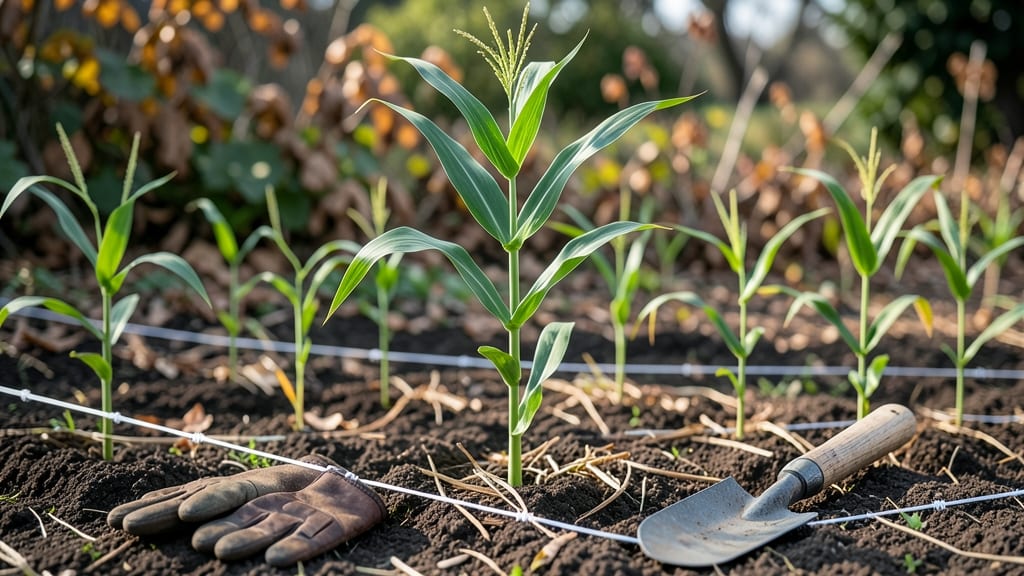
Timing your 🌽 corn planting in Arkansas can make or break your harvest—get it right, and you’ll enjoy sweet, plump ears by summer; get it wrong, and you might end up with stunted plants or worse.
Arkansas’s 7a-8b climate means frost lingers until mid-April in most areas, but rushing too early can leave young plants vulnerable to cold snaps.
The ideal window for planting 🌽 corn in Arkansas runs from mid-April to mid-May, once soil temperatures hit a steady 60°F and the last frost has passed. This timing ensures your plants have enough warmth to germinate quickly and grow strong before summer’s heat sets in.
But here’s the catch: not all corn varieties thrive on the same schedule. Early-season types like ‘Silver Queen’ can handle a slightly earlier start, while late varieties need more time to mature before Arkansas’s first frost in November.
I’ll break down the best planting strategies for your specific heat zone and share pro tips to maximize your yield.
Ready to grow 🌽 corn that’s ready for harvest between July and October? Let’s dive into the exact steps to time your planting perfectly—so you can enjoy homegrown corn at its peak, every season.
Arkansas corn planting calendar by heat Zone: best months for peak yields
Arkansas spans USDA Hardiness Zones 7a-8b, creating microclimates where corn thrives with precise timing. Planting too early risks frost damage, while late planting can lead to stunted growth or poor yields.
The key is aligning your schedule with soil temperatures and frost-free windows—typically mid-April to mid-May for most varieties.
Northern Arkansas (Zones 7a-7b) has colder springs and later frosts, while southern regions (Zones 8a-8b) enjoy earlier soil warming. Even within these zones, elevation and local weather patterns can shift optimal planting by 2-3 weeks.
For example, the Arkansas River Valley often warms faster than the Ozark Mountains.
Corn needs soil temperatures of 60°F+ to germinate properly. Use a soil thermometer to confirm—cold soils delay sprouting and invite rot. In Zone 7a, aim for April 15-30, while Zone 8b gardeners can start as early as March 20-April 15.
🌽
| Zone | Last Frost Date | Optimal Planting Window | Soil Temp Threshold | Best Varieties |
|---|---|---|---|---|
| 7a (North) | April 1-15 | April 15-May 1 | 60°F+ | Silver Queen, Bodacious |
| 7b (Central) | March 25-April 5 | April 1-May 10 | 60°F+ | Peaches & Cream, Country Gentleman |
| 8a (South) | March 10-20 | March 20-April 20 | 55°F+ (earlier starts) | Ambrosia, Honey & Pearl |
| 8b (Southeast) | February 28-March 10 | March 15-May 1 | 58°F+ | Pioneer 39F53, Golden Bantam |
🌱 Note: Adjust for elevation (+1 week per 1,000 ft) and microclimates (e.g., river valleys warm faster).
For sweet corn, prioritize early-mid season varieties like ‘Silver Queen’ (70-day maturity) in cooler zones. In Zone 8b, you can even plant late-season varieties like ‘Peaches & Cream’ (90+ days) for extended harvests through October.
Field corn and popcorn varieties (e.g., ‘Pioneer 39F53’) thrive with longer growing seasons—aim for May 1-June 1 planting in northern Arkansas to avoid ear rot from summer humidity. These varieties need 100+ frost-free days, so southern gardeners have more flexibility.
🌡️ Pro tip: Use black plastic mulch to warm soil faster in Zone 7a. This can shift planting windows 1-2 weeks earlier by raising soil temps by 5-10°F. Just
How to adjust corn planting for Arkansas’s unpredictable weather (pro farmer tips)
Arkansas’s spring weather can be a rollercoaster—one day it’s warm enough to plant, the next a hard frost threatens to wipe out your corn seedlings. False springs are common, and soil temperatures can fluctuate wildly.
The key is staying flexible and using proven strategies to protect your crop from late frosts or early heatwaves. I’ve learned the hard way that rushing into planting too early can mean lost seeds, while waiting too long risks stunted growth before harvest.
Start by monitoring soil temperatures with a thermometer—corn won’t germinate well below 60°F. If nights dip below freezing after planting, use row covers or black plastic mulch to trap heat.
These simple tools can add 5-10°F of protection, giving your seedlings the boost they need. I’ve seen 30% higher germination rates in covered rows during cool springs.
Another trick? Plant in successive batches every 2 weeks from mid-April through early May. This spreads out your harvest window and reduces the risk of losing everything to a single frost event.
For example, if your first planting gets nipped by frost, your second batch might escape unscathed. It’s extra work upfront, but the payoff is consistent yields even in unpredictable years.
Arkansas’s USDA Zones 7a-8a can see 30-40% of springs that look promising but end with frost. Never plant before April 15 unless you’re using row covers or cold-hardy varieties. A single 28°F night can kill young seedlings in days.
If frost is forecast after planting, cover seedlings with lightweight fabric or even old blankets secured with bricks. Remove covers when the sun comes out to prevent overheating.
For extra insurance, choose early-maturing hybrids like ‘Silver Queen’ or ‘Peaches and Cream’—they can go from seed to harvest in 70-80 days, giving you a buffer if summer arrives late.
Don’t forget to test your soil’s pH before planting. Arkansas soils often lean acidic, and corn thrives in 6.0-7.0 pH. Amend with lime or sulfur as needed, and consider a pre-plant fertilizer with 10-10-10 NPK to jumpstart growth.
I’ve seen corn planted in unamended soil struggle to reach 50% of its yield potential—a simple soil test can save you heartache.
Finally, keep an eye on the 7-day forecast and adjust your planting timeline accordingly. If warm weather is predicted to last, don’t hesitate to plant by May 1.
Corn planted in early May often outperforms late-April plantings because it avoids spring pests like cutworms and enjoys Arkansas’s peak summer heat for kernel development.
With these tips, you’ll turn Arkansas’s fickle weather into an advantage. The goal isn’t perfection—it’s adaptability. Even in the worst years, a little preparation can mean the difference between a brown patch of dirt and a bushel basket of sweet corn. 🌽