
Companion Plants
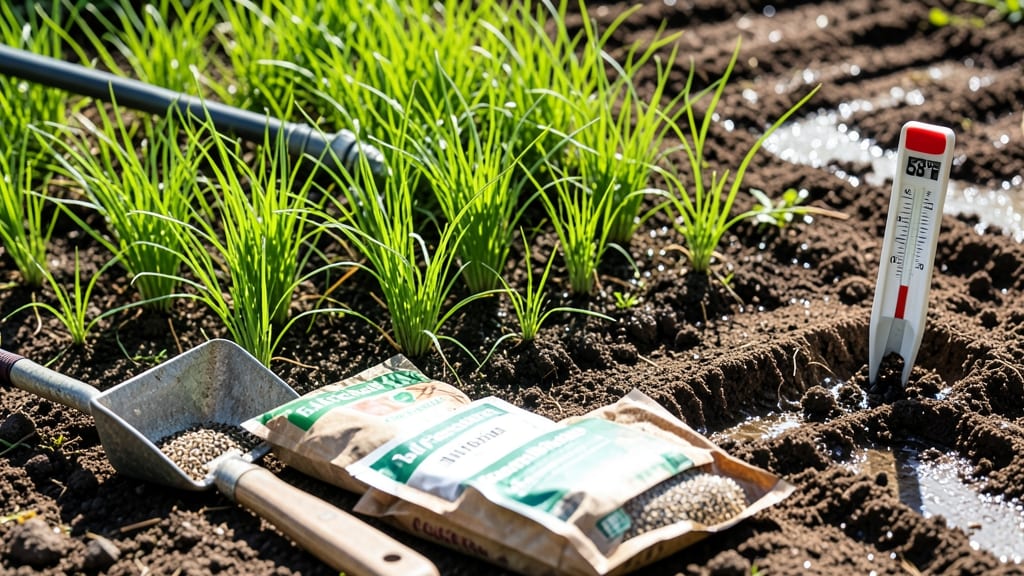
Planting your spring grass at the wrong time can mean watching your hard-earned seed money turn into a patchy, slow-growing mess—but get the timing right, and you’ll be rewarded with a vibrant lawn by summer.
The secret isn’t just waiting for warm weather; it’s about understanding your local soil temperature and frost patterns.
Most gardeners in Zone 6a (like me!) can start sowing 🌱 grass as early as late March, but only if the ground has thawed and soil temps hit at least 50°F.
Plant too soon, and frost will kill your seedlings before they take root. Too late, and summer heat stresses young grass before it establishes.
I’ll walk you through how to check your exact planting window—whether you’re in a cool northern climate or a warmer southern region—plus pro tips for soil prep and seed selection. No guesswork, just a lush lawn.
Ready to skip the trial-and-error? Let’s dive into the frost-free rules and soil temp tricks that’ll set you up for success this season.
Best soil temperature & frost-free rules for spring grass planting
Planting grass in spring is all about timing. The difference between a lush lawn and wasted seed often comes down to two factors: soil temperature and frost risk.
Cool-season grasses like Kentucky bluegrass or fescue thrive when soil reaches 50-60°F, while warm-season grasses like Bermuda or Zoysia need 65-75°F to germinate properly. Planting too early risks frost damage, while waiting too long can mean slower establishment.
Most gardeners aim to plant 4-6 weeks before the last frost date, but this varies by USDA zone. For example, in Zone 5, that might mean early April, while in Zone 8, you could start as early as February.
Always check your local frost-free date—this is your golden window for success.
Here’s the science-backed rule: Cool-season grasses should go in when soil temps are 50-65°F, and warm-season grasses need 65-75°F. Use a soil thermometer (just $10 at garden centers) to test depth—grass seeds need warmth at 1-2 inches deep.
If temps drop below 40°F at night, your new seedlings could suffer.
Pro tip: Test your soil a week before planting. Stick a soil thermometer in the ground for 24 hours to get an accurate reading. If it’s below 50°F for cool-season grasses or below 65°F for warm-season types, wait a week or two. Patience now means a thicker lawn later.
Another critical factor is rainfall. If your area gets consistent rain after planting, you can sow seeds 2-3 weeks earlier than the frost-free date. But if drought is forecasted, delay planting until soil moisture is stable.
A dry spell after sowing can leave seeds high and dry, leading to poor germination.
| Grass Type | Ideal Soil Temp | Planting Window | Frost Risk |
|---|---|---|---|
| Cool-Season (Kentucky Bluegrass, Fescue, Ryegrass) | 50-65°F | 4-6 weeks before last frost | High if planted too early |
| Warm-Season (Bermuda, Zoysia, St. Augustine) | 65-75°F | After last frost, soil warm | Low (thrive in heat) |
| Transition Zone (Tall Fescue, Buffalo Grass) | 55-70°F | Early spring or late summer | Moderate (adaptable) |
If you’re in a transition zone (like Zone 6 or 7), you have flexibility. Plant cool-season grasses in early spring (March-April) and warm-season types in late summer (August-September).
This two-step approach ensures year-round green coverage. For example, tall fescue can handle both cool and warm seasons better than Bermuda grass, which struggles in cold snaps.
One common mistake is relying on air temperature instead of soil temperature. A 70°F day doesn’t mean the soil is ready—it could still be 45°F underground. Always check with a thermometer.
Another trick: press your hand into the soil for 5 seconds. If it feels cool but not freezing, it’s likely in the 50-60°F range for cool-season grasses.
For warm-season grasses, wait until you can comfortably walk barefoot on the lawn in the morning. This usually means soil temps are above 65°F. If you’re unsure, err on the side of waiting.
Warm-season grasses establish faster in hot soil, but planting too early can lead to fungal issues or seed rot.
Finally, consider microclimates in your yard. South-facing slopes warm up faster than shady spots. If your lawn has partial shade, cool-season grasses like fine fescue will outperform Bermuda grass, which needs full sun.
Adjust your planting timeline based on where you’re sowing seeds—shady areas may need a 1-2 week delay.
By following these soil temperature and frost-free rules, you’ll avoid the most common pitfalls and set your lawn up for successful germination. Next, we’ll cover how to check local frost dates and account for your yard’s unique conditions. 🌱
Best soil temperature & frost-free rules for spring grass planting
For a successful spring lawn, timing is everything—and soil temperature is your best guide. Most cool-season grasses (like Kentucky bluegrass or fescue) thrive when soil reaches 50-65°F, while warm-season types (like Bermuda or Zoysia) need 65-75°F to germinate.
I always check with a soil thermometer (just $10 at garden centers) to avoid planting too early.
Frost is the real enemy for young seedlings. Planting 4-6 weeks before your last frost date gives grass time to root before cold snaps. In Zone 6a, that’s typically late March to early April, but I’ve seen early April work better in sheltered microclimates where frost lingers.
Here’s my rule of thumb: If mornings stay below 40°F, cover new seed with lightweight frost cloth at night. For warm-season grasses, wait until soil hits 65°F consistently—usually late May to June in most regions.
Don’t rely on air temperature alone—soil stays cold even when days warm up. I’ve planted in 55°F soil and seen great results, but below 50°F slows germination to a crawl. Pro tip: Loosen soil with a rake first to help warm up faster.
For southern climates, early spring planting can stress grass with late frosts, while northern gardeners risk summer drought if they wait too long. My Zone 6a lawn always does best when seeded in late April, after the last frost but before summer heat sets in.
Remember: Consistency beats speed. A thin layer of mulch (like straw) after planting helps retain moisture and protect seedlings from temperature swings. With the right timing, you’ll see sprouts in 7-14 days—and a full lawn by summer!