
Plants
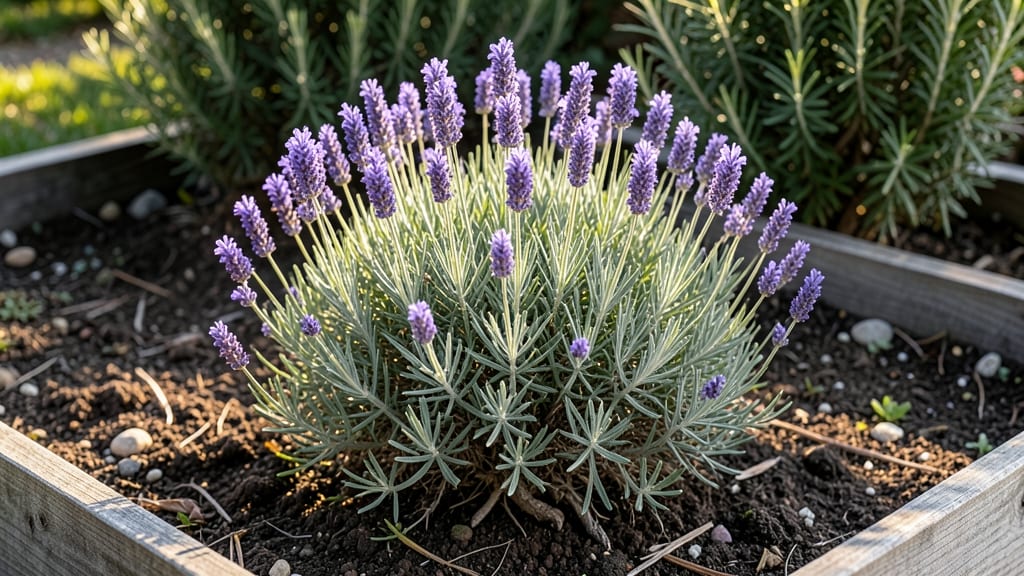
If you're dreaming of a fragrant lavender garden but wondering "how tall does a lavender plant grow", the answer might surprise you—these purple powerhouses range from tiny 1-foot shrubs to towering 4-foot giants, depending on the variety and care you provide.
Most gardeners plant lavender expecting a 2-3 foot height, which is perfect for borders or containers, but some varieties like 'Grosso' can reach nearly waist-high. The key to controlling height lies in pruning, sunlight, and soil—all factors that directly impact how much your 🌿 lavender will stretch toward the sky.
Whether you're working with USDA Zone 6a conditions or a sunny window box, understanding these growth patterns helps you plan your space wisely. I'll show you exactly how to encourage the perfect height for your needs—whether that means keeping it compact or letting it grow wild.
Ready to transform your garden with fragrant, well-proportioned lavender? Let's dive into the varieties, care tips, and secrets to managing height like a pro.


Lavender height by variety: compact vs. tall growing types
Choosing the right lavender variety is key to controlling how tall your plants grow. Most gardeners assume lavender reaches 3-4 feet at maturity, but the truth is far more varied—some stay under 12 inches while others stretch toward 5 feet.
The difference often comes down to genetics, growing conditions, and pruning habits.
For example, 'Lavender Munstead' typically stays between 2-3 feet, making it perfect for borders or mixed containers. Meanwhile, 'Lavender Grosso' can easily exceed 4 feet if left unpruned, creating a striking vertical element in your garden.
Understanding these variations helps you plan spacing and design layouts that maximize both aesthetics and functionality.
Here’s a quick reference for popular lavender varieties and their mature heights:
If you're working with limited space, dwarf varieties like 'Dwarf Blue' or 'Hidcote' are ideal for window boxes, rock gardens, or even as potted plants on patios. These stay under 12 inches tall, making them perfect for small-scale gardening projects.
Their compact size also means they require less frequent pruning, which is great for beginners.
For larger gardens or hedges, taller varieties like 'Grosso' or 'Provence' create stunning vertical interest. These can reach 4-5 feet when mature, but their height is easily managed with regular pruning.
I’ve seen 'Grosso' lavender used as a natural screen along property lines—its height and fragrance make it a privacy-friendly choice.
One factor that often surprises new gardeners is how soil drainage affects height. Lavender plants in poorly drained soil may grow slower or develop leggy stems as they stretch toward sunlight.
Always plant in well-draining soil mixed with sand or gravel to encourage healthy, compact growth. This simple adjustment can keep your lavender at its ideal height while preventing root rot.
Another tip: Pruning in early spring before new growth appears can control height and encourage bushier foliage. For taller varieties, I recommend cutting back one-third of the plant’s height annually to maintain shape and prevent woody stems.
This not only keeps your lavender looking neat but also promotes more abundant blooms.
For container gardening, choose varieties based on your pot size. A 12-inch pot is ideal for dwarf lavender, while 18-inch pots can accommodate semi-dwarf types like 'Munstead'. Always ensure containers have drainage holes to prevent waterlogging, which can stunt growth or cause root disease.
Remember, lavender height isn’t set in stone—it’s influenced by your care routine. With the right variety, soil, and pruning, you can grow lavender at almost any height to fit your garden’s vision. Whether you want a low hedge or a tall backdrop, the key is selecting the right
How to control lavender height: pruning and care tips for bushier growth
Pruning is the secret weapon for managing lavender height and encouraging those lush, fragrant blooms you love. Most varieties thrive with light pruning after flowering, but timing and technique make all the difference.
I’ve found that over-pruning can stunt growth, while strategic cuts promote bushier, fuller plants—perfect for borders or containers.
Start by waiting until late summer or early fall after lavender finishes blooming. This timing prevents removing next year’s flower buds. Use sharp, clean pruning shears to trim back 1/3 of the plant’s height, focusing on leggy stems or overgrowth.
Avoid cutting into old wood, as lavender struggles to regrow from there.
Prune after flowering (July–August) to avoid cutting off next year’s buds.
Clean pruning shears prevent damage and disease—sterilize with rubbing alcohol.
Cut back 1/3 of the height, focusing on woody stems and overgrowth.
Thin out interior branches to improve airflow and reduce height where needed.
Pruning in winter removes next year’s growth—wait until spring for light shaping.
For dwarf varieties like ‘Mini Blue’ or ‘Hidcote’, minimal pruning is key—just trim back dead or leggy stems to maintain their 12–18 inch height. In contrast, taller varieties like ‘Grosso’ or ‘Provencal Giant’ benefit from annual pruning to keep them under 4 feet and prevent sprawling.
Don’t forget that soil and sunlight play a role in height control. Well-draining, sandy soil with full sun exposure (6+ hours daily) keeps lavender compact and healthy.
If your plants stretch tall and leggy, they’re likely craving more sunlight—relocate them to a sunnier spot or supplement with a grow light in containers.
Overwatering is another height saboteur. Lavender thrives on neglect—water deeply but infrequently (every 10–14 days) to encourage strong root growth. Soggy soil leads to weak stems and stunted growth, while consistent dryness keeps plants robust and at their ideal height.
With the right pruning routine and care, you can keep your lavender at the perfect height for your garden—whether that’s a neat 1-foot hedge or a lush 3-foot border. Experiment with varieties and techniques to find what works best for your space! ✂️🌿