
Plants
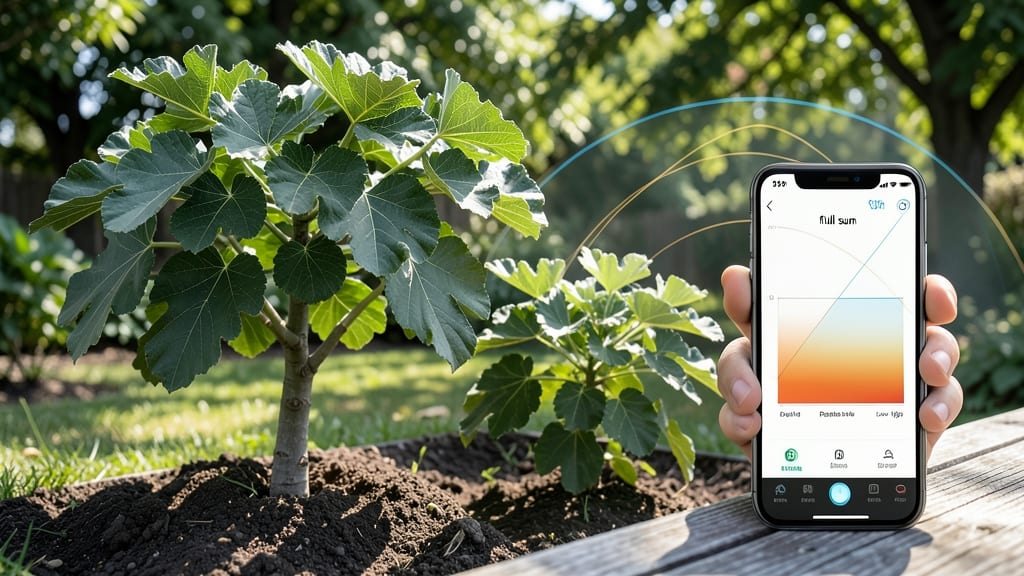
If your 🍈 fig plant looks like it’s fighting for its life—yellowing leaves, stretched stems, or crispy edges—chances are, you don’t know how much light a fig plant needs.
Fig plants are sun-hungry, but too much or too little can spell disaster, and most growers either overcompensate with harsh sunlight or leave them in dim corners hoping for the best.
The truth is, these tropical trees thrive with bright, indirect light for most of the day, but they can handle direct sun too—if you know the right balance.
Whether you’re growing yours indoors near a window or outdoors in your garden, understanding their light needs is the key to lush foliage and sweet fruit. Let’s break down exactly how much light your fig plant needs to flourish.
Outdoor figs in USDA Zone 6a love full sun, but even they need some afternoon shade during peak summer heat to avoid leaf scorch. Indoors, a south-facing window is your best bet, but if your space is dim, grow lights can save the day.
The goal? Mimic their natural habitat without burning them out.
Ready to stop guessing and start growing? I’ll walk you through the signs of perfect light, common mistakes (and how to fix them), and even how to adjust for seasonal changes. Your fig’s future depends on it—let’s get started.

Fig plant light requirements: the ideal sunlight spectrum for growth
Fig plants are sun worshippers—they crave 6-8 hours of direct sunlight daily to thrive. Without enough light, your fig will stretch weakly toward windows, produce sparse fruit, or even stop growing altogether.
But too much harsh sun can scorch leaves, especially in hot climates. Understanding your fig's light spectrum needs is the key to keeping it happy and productive year-round.
Not all fig varieties have the same light tolerance. Common figs (like 'Brown Turkey') handle full sun beautifully, while desert figs (such as 'Desert King') can even tolerate intense afternoon heat. Hardy figs (like 'Chicago Hardy') are more adaptable to partial shade but still need at least 4-6 hours of direct light to fruit well.
Knowing your variety’s preferences makes all the difference.
Seasonal light adjustments are crucial too. In summer, figs may need afternoon shade to prevent leaf burn, while winter’s weaker sun means you might need to supplement light indoors. Let’s break down the exact light conditions your fig needs to flourish, plus how to spot when it’s getting too much—or too little—sun.
| Fig Variety | Ideal Light | Max Tolerable Sun | Signs of Stress |
|---|---|---|---|
| Common Figs (e.g., 'Brown Turkey') | 6-8 hours full sun | 10+ hours (with afternoon shade in summer) | Yellowing leaves, leaf scorch |
| Desert Figs (e.g., 'Desert King') | 8+ hours full sun | 12+ hours (heat-tolerant) | Wilting, brown leaf edges |
| Hardy Figs (e.g., 'Chicago Hardy') | 4-6 hours sun (partial shade OK) | 8 hours (avoid harsh afternoon sun) | Stunted growth, pale leaves |
🌱 Pro Tip: Rotate container-grown figs weekly for even light exposure.
Fig plants communicate their light needs through their leaves. Leaf scorch—crispy, brown edges—means too much direct sun, especially in hot afternoons. On the flip side, etiolation (long, leggy stems with small leaves) signals your fig isn’t getting enough light.
Both issues can be fixed with simple adjustments, like moving your plant or adding shade cloth.
In hot climates (Zones 8-11), afternoon shade is a game-changer. Use 30-50% shade cloth to filter harsh rays while still allowing plenty of light. For cooler climates (Zones 6-7), focus on maximizing morning sun and supplementing with grow lights in winter when daylight fades early.
If you’re growing figs in containers, south-facing windows are your best bet for indoor light. Place your plant within 1-2 feet of the glass to maximize exposure. For outdoor containers, rotate them every few days to ensure even growth and prevent the plant from leaning toward the sun.
One common misconception is that figs can thrive in low light. While they’re more tolerant than many fruit trees, low-light conditions lead to poor fruit production and weak stems.
If your fig isn’t fruiting, it’s likely a light deficiency. Try moving it to a brighter spot or investing in a grow light for indoor setups.
For outdoor gardeners, microclimates matter. A fig planted against a south-facing wall or near reflective surfaces (like a white fence) will get more light than one in an open, shaded area. Use these natural light boosters to give your fig the edge it needs to thrive.
Finally, seasonal light changes require adjustments. In spring and summer, figs love long days, but in fall and winter, their light needs drop. Monitor your plant’s response to light throughout the year and adjust its position or use grow lights to maintain optimal conditions.
By tailoring your fig’s light exposure to its variety and your climate, you’ll set it up for healthy growth, lush foliage, and a bountiful harvest. Keep an eye on those leaves—they’re your fig’s way of talking to you! ☀️
How to provide perfect light for fig plants indoors vs. outdoors
Growing fig plants indoors or outdoors requires different light strategies, but the goal is the same: mimic their natural sun-loving habitat. Indoors, most homes lack the intense sunlight figs crave, while outdoors, microclimates and seasonal shifts demand adjustments.
Let’s tackle each scenario with practical solutions to keep your fig thriving year-round.
For indoor fig plants, a south-facing window is ideal because it captures the most sunlight throughout the day.
If your space lacks this, east or west windows work too—but expect slower growth and fewer fruits. Grow lights are a game-changer for dimmer rooms; use a full-spectrum LED bulb (12-16 hours/day) to supplement natural light during winter’s short days.
- 🌱 Step 1: Assess Your Light
Place your fig near a window for 24 hours. If leaves stretch toward light or turn pale, it’s not enough. Use a light meter app to check intensity—aim for 2,000-3,000 lux. - 🪴 Step 2: Optimize Window Placement
South-facing windows provide 6-8 hours of direct light. Rotate your plant weekly to prevent uneven growth. For east/west windows, supplement with a grow light 6-12 inches away. - ☀️ Step 3: Adjust for Seasons
In winter, extend light with a grow light on a timer (14 hours/day). In summer, watch for leaf scorch—move plants away from hot windows or use sheer curtains.
💡 Pro Tip: Reflect light with a white wall or mirror behind your fig to boost brightness by 30%.
Outdoor figs need full sun exposure (6-8+ hours), but their needs vary by climate. In hot, dry regions (Zones 8-11), provide afternoon shade (1-4 PM) to prevent leaf burn.
In cooler zones (Zones 6-7), focus on morning sun and protect from late-day chill. Prune nearby trees or structures to maximize light penetration to the plant’s canopy.
Container growers face unique challenges. Pots dry out faster and may need daily watering in full sun, but they also allow you to move plants for optimal light. Place containers on elevated stands or trellises to improve airflow and light access to lower leaves.
For balcony gardens, use reflective surfaces like white pots or aluminum foil to bounce extra light onto the plant.
One common mistake is assuming more sun is always better. While figs love light, intense afternoon sun in summer can scorch leaves, especially for tender varieties.
Test your fig’s tolerance by gradually increasing sun exposure over 7-10 days. Start with morning sun only, then slowly add afternoon light as the plant acclimates.
For indoor-outdoor transitions, harden off your fig before moving it outside. Place it in a shaded spot for a week, then gradually increase sun exposure. This prevents sunburn shock, where leaves turn white or crispy overnight.
Outdoor figs should also be brought inside before temperatures drop below 40°F, as cold stress weakens their ability to handle sunlight.
By tailoring your fig’s light environment to its location—indoors or out—you’ll ensure strong stems, vibrant leaves, and a bountiful harvest. Pay attention to your plant’s signals, and don’t hesitate to adjust its spot as seasons change. Your fig will thank you with lush growth and sweet fruit! 🌿