
Plants
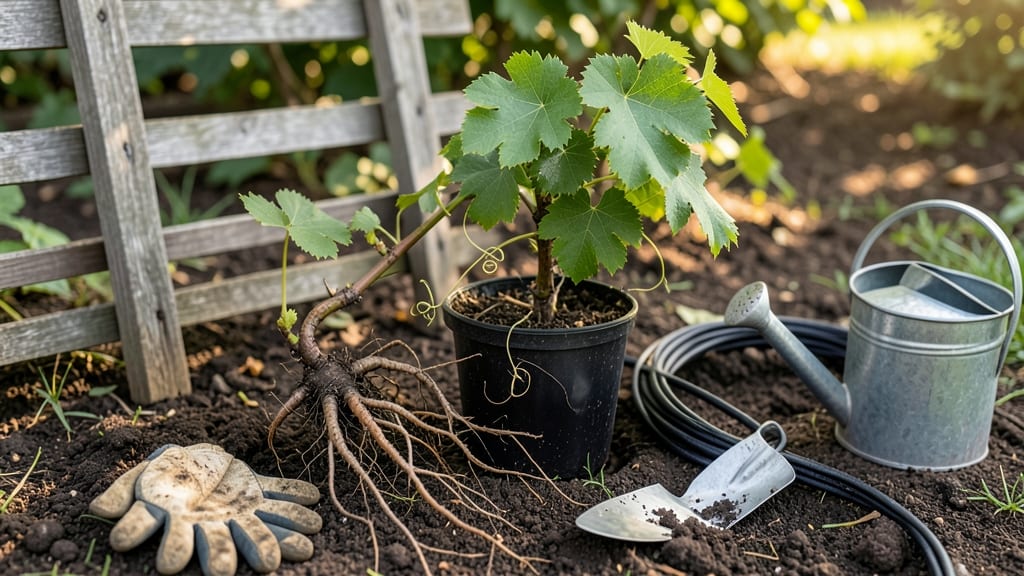
The perfect timing for planting grape vines in Texas could mean the difference between a thriving 🍇 harvest and a struggling vine. Whether you're in North Texas battling early frosts or South Texas dealing with relentless summer heat, getting it right is everything.
Texas gardeners know that late winter through early spring—typically February to March—is the sweet spot for most regions, but South Texas offers a second chance in the fall. The key? Choosing heat-tolerant varieties and preparing your soil to handle Texas's extreme climate swings.
I’ve tested what works in my own backyard, and I’ll share exactly which months align with your local frost dates, plus the best grape types for your zone. No more guesswork—just proven strategies to help your vines take root strong and produce fruit year after year.
Let’s break down the best planting windows, soil prep secrets, and how to pick the right variety for your Texas heat zone. Your future harvest starts with the right move—and timing is the key.
Best months to plant grape vines in Texas by region (heat zones 8-11)
Texas’s diverse climate means grape vine planting times vary dramatically from North Texas to South Texas. In USDA Zones 8-9 (like Dallas or Fort Worth), the last frost typically hits around February 15, while Zone 10-11 (Houston or San Antonio) rarely sees frost.
This means North Texas gardeners must plant by March 1 to avoid summer heat stress, while South Texas can plant as late as October.
For bare-root vines, the ideal window is late February to early March in most regions. Container-grown vines offer more flexibility, allowing planting year-round in Zone 10-11. However, fall planting (September-October) is risky in North Texas due to early freezes, so spring is safer.
Texas’s heat zones also dictate dormancy periods. In Zone 8-9, vines enter dormancy by December, while Zone 10-11 vines stay active year-round. This affects when to prune and fertilize—more on that later!
🌱
| Region | USDA Zone | Best Planting Months | Last Frost Date | Key Considerations |
|---|---|---|---|---|
| North Texas | 8a-9a | Late February - Early March | February 15 | Cold-hardy varieties needed; avoid fall planting due to early freezes. |
| Central Texas | 9a-10a | February - April or September | January 15 - February 1 | Fall planting possible in mild winters; use heat-tolerant rootstocks. |
| South Texas | 10a-11 | September - October or Year-Round (containers) | None (rare frost) | No dormancy; plant anytime; prioritize shade cloth for summer. |
In North Texas, where winters can drop below 20°F, choose cold-hardy varieties like Cynthiana or Concord. These survive dormancy better than heat-sensitive types. Meanwhile, South Texas gardeners can grow Muscadine grapes, which thrive in 90°F+ temperatures but struggle in freezing conditions.
Pro tip: Soil temperature matters just as much as air temperature. Grape roots need soil at 60°F+ to establish—wait until then, even if air temps are ideal. Use a soil thermometer to check before planting!
🌡️
For container planting, timing is less critical since pots insulate roots. However, transplant shock is still a risk if you plant during peak summer heat (June-August). If you must plant in summer, use shade cloth for the first 4-6 weeks and water deeply every 2-3 days.
Finally, microclimates play a huge role. A hillside location in Central Texas may stay 10°F warmer than a valley, extending your planting window. Observe your yard’s sun exposure patterns before committing to a planting date.
✂️
Best months to plant grape vines in Texas by region (heat zones 8-11)
Texas’s diverse climate zones mean your grape vine’s planting window depends heavily on where you live. In North Texas (Zones 8-9), where frosts linger until mid-February, aim for late February to early March—this gives vines time to root before summer’s brutal heat.
Meanwhile, Central Texas (Zones 9-10) gardeners can plant as early as January or stretch into April, while South Texas (Zones 10-11) offers a second chance in fall (September-October) to avoid summer stress.
I’ve planted vines in both North and South Texas, and the difference is night and day. In my East Texas garden (Zone 8a), a late winter planting in March ensures the vines establish roots before the 90°F+ summers.
In South Texas (Zone 10a), I’ve successfully planted in October to take advantage of cooler fall temperatures and avoid the relentless summer sun.
Here’s the breakdown by region—pick your zone and plant accordingly:
| Region | USDA Zone | Best Planting Window | Key Consideration |
|---|---|---|---|
| North Texas | 8a-9a | Late February–Early March | Avoid late frosts; soil temps must stay above 50°F. |
| Central Texas | 9a-10a | January–April | Soil prep is critical; mulch heavily to retain moisture. |
| South Texas | 10a-11 | September–October (fall) or February | Fall planting avoids summer heat; winter dormancy is minimal. |
Timing isn’t just about the calendar—it’s about soil temperature. Grape vines need soil that’s at least 50°F to root properly. In North Texas, this usually aligns with late February, but if you’re in a cooler microclimate, wait until early March.
Use a soil thermometer to check—it’s a game-changer for success.
For container-grown vines, you’ve got more flexibility. Since pots warm up faster, you can plant as early as January in Central Texas or even December in South Texas. Just ensure your containers have drainage holes and use a lightweight potting mix to prevent root rot in the heat.
Pro tip: If you miss the ideal window, don’t panic. Bare-root vines can handle cooler soils better than container-grown ones, so if you’re in North Texas and the weather stalls, opt for bare-root stock. It’s a budget-friendly way to extend your planting season by a few weeks.
Now that you’ve got your months locked in, the next step is choosing the right heat-tolerant varieties for your Texas zone. Stay tuned—we’ll dive into the top 5 grapes that thrive in this climate, including disease-resistant picks that won’t wilt under the Texas sun. 🍇