
Plants
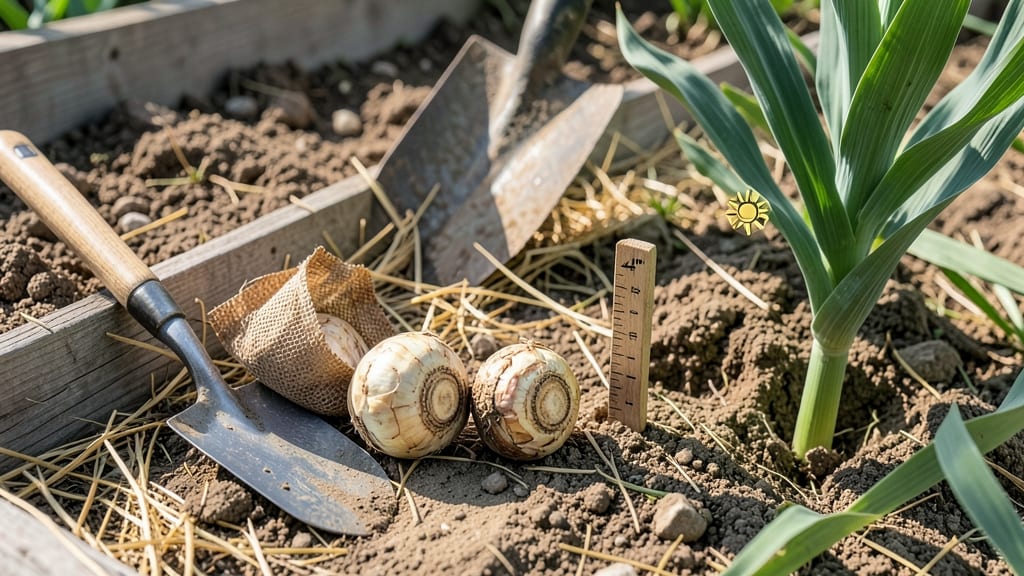
Timing the planting of gladiolus bulbs in Wisconsin isn’t just about following a calendar—it’s about outsmarting the state’s unpredictable spring weather.
These heat-loving 🌸 beauties demand precise conditions, and getting them in the ground too early means stunted growth, while waiting too long risks missing the short summer bloom window entirely.
Most gardeners in zones 4a-6b swear by late May planting, once soil temperatures hit a steady 60°F+ and frost danger has passed. But Wisconsin’s shifting climate means your exact window could vary by a week or more depending on whether you’re in northern Milwaukee or southern Madison.
Here’s the game-changer: soil warmth tests and local frost data from the UW Extension can help you pinpoint the perfect moment. I’ll walk you through the exact steps—plus backup strategies for those years when Mother Nature throws you a curveball.
Ready to grow bold, dramatic glads that steal the show from July to September? Let’s dive into Wisconsin’s foolproof planting schedule so your bulbs get the head start they crave.
Wisconsin gladiolus planting calendar: exact dates by hardiness zone
Gladiolus bulbs crave consistent warmth and long daylight, making Wisconsin’s variable spring a tricky timeline to master. The last frost date isn’t the only factor—soil temperature and daylight hours also dictate success.
In most of Wisconsin (zones 4a-6b), aim for planting between late May and early June when soil reaches 60°F+.
Southern Wisconsin (zones 5b-6b) can start slightly earlier, around mid-May, while northern regions (zones 4a-4b) may need to wait until early June. These bulbs need at least 10-12 hours of daylight to thrive, which Wisconsin hits reliably by late May.
Use this two-week window as your safety net: if you plant before June 1st, you’ll likely get full summer blooms by July. Miss this window, and you risk stunted growth or no flowers at all.
| Zone | Ideal Planting Window | Soil Temp Threshold | Frost Risk | Backup Window |
|---|---|---|---|---|
| 4a (Northern WI) | Early June | 60°F+ | High until June 15 | Containers with row covers |
| 4b (Central WI) | Late May | 60°F+ | Moderate until June 1 | Early June (soil test first) |
| 5a-5b (South-Central WI) | Mid-May | 55°F+ | Low after May 20 | Late May (if cool) |
| 6a-6b (Southeast WI) | Late April-Early May | 50°F+ | Minimal after May 10 | Early June (if delayed) |
🌱 Pro Tip: Use a soil thermometer to confirm 60°F+ before planting—cold soil delays sprouting.
Check Wisconsin’s local frost dates using the Midwest Regional Climate Center or your county extension office. For example, Milwaukee (zone 5b) averages its last frost on May 15th, while Minneapolis (zone 4b) often waits until June 1st. Planting too early risks frost damage to tender shoots.
If you’re in zone 4a (like Duluth), consider container growing with black plastic mulch to warm soil faster. This method adds 5-7°F to soil temperature, helping bulbs establish quicker.
For late blooms, you can also plant gladiolus in early July for fall flowers—just expect shorter stems. This trick works best in zones 5b-6b where summers are long enough for 90+ days of growth.
Always plant bulbs 4-6 inches deep and 6 inches apart in well-draining soil. In Wisconsin’s clay-heavy soils, mix in compost or sand to prevent rot. Water deeply after planting to settle the soil.
Mark your calendar for June 1st as the absolute deadline for most of Wisconsin. After this date, bulbs struggle to establish roots before fall frost, leading to weak or non-flowering plants.
For reliable blooms, pair planting with heat-tolerant varieties like 'White Prosperity' or 'Pink Parfait'. These types handle Wisconsin’s hot summers better than delicate hybrids.
🌸 Remember: Late May is your golden window—don’t wait until June if your soil is ready earlier. Gladiolus bulbs reward prompt planting with dramatic summer spikes that’ll steal the show in your garden.
5 Signs your Wisconsin soil is ready for gladiolus bulbs
Gladiolus bulbs need warm soil to thrive, but Wisconsin’s cool springs can delay planting. Don’t rush—wait until your soil hits 60°F and shows these 5 key signs of readiness. These indicators help you avoid stunted growth or rot, especially in clay-heavy Wisconsin soils that retain too much moisture.
First, check soil temperature with a soil thermometer—gladiolus roots won’t grow below 55°F. If your thermometer reads consistently above 60°F for 3-5 days, your soil is warm enough. This usually happens in late May in most of Wisconsin, but northern zones may need to wait until early June.
Next, look for active weed growth. Weeds like crabgrass or chickweed signal soil warmth and moisture balance—ideal conditions for gladiolus. If weeds are sprouting vigorously, your soil is likely ready. However, avoid planting in beds where weeds are already crowded, as they’ll compete for nutrients.
Test soil moisture by squeezing a handful. If it crumbles easily (not sticky), it’s at the perfect medium moisture level. Wisconsin’s clay soils often hold too much water, so amending with compost or sand can improve drainage.
Aim for soil that feels like a damp sponge, not a muddy brick.
- Soil temp: 60°F+ (use a thermometer)
- Weeds actively growing (sign of warmth)
- Moisture: damp sponge (not soggy)
- No frost risk (check local forecasts)
- Loose, crumbly soil (not compacted)
Listen for earthworms in your soil—a sure sign of healthy, aerated conditions. Gladiolus bulbs need well-draining soil, and earthworms improve drainage naturally. If you spot them after a rain, your soil is likely ready.
For heavy clay soils, mix in 1-2 inches of compost or coarse sand to prevent waterlogging.
Finally, confirm no late-spring frost is forecasted. Use the National Weather Service or local UW Extension alerts to track frost risks. In Wisconsin, northern zones (4a-5a) may face frost until mid-June, while southern areas (6a-6b) can plant by late May.
Once you’ve checked all 5 signs, your gladiolus bulbs are ready for 4-6 inches deep planting. Space them 6 inches apart in full sun for dramatic summer blooms that Wisconsin’s short season deserves! 🌸