
Flowers
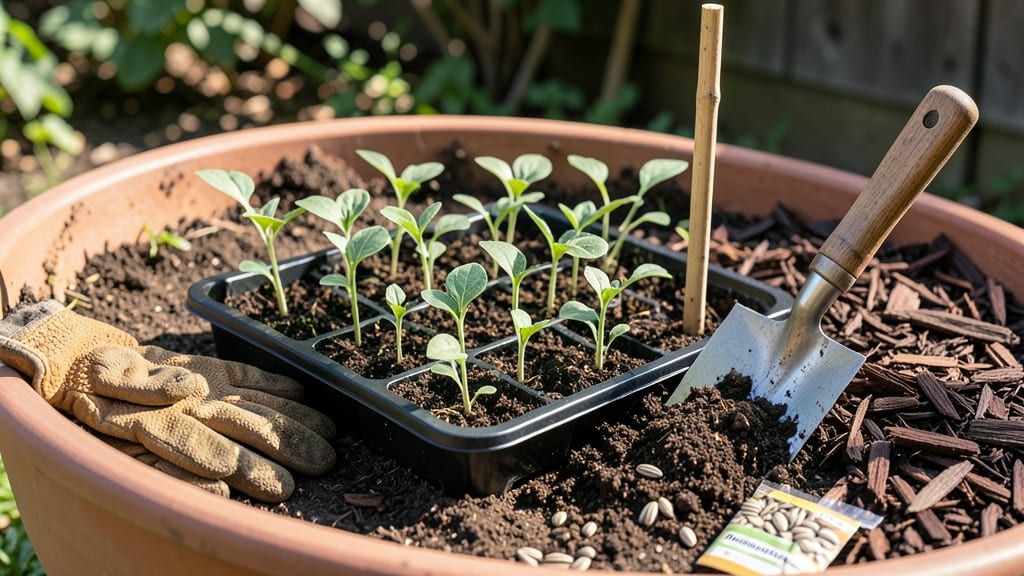
Planting sunflowers in Ohio when the soil is warm enough and frost-free is the key to those iconic 6-foot-tall blooms you’ve been dreaming of. If you get the timing wrong—whether you rush too early or wait too late—you might end up with stunted plants or no blooms at all.
The good news? Ohio’s USDA Zone 6a climate gives you a clear window to plant for maximum success.
Most Ohio gardeners should aim to start seeds after April 15th, once the last frost has passed and soil temperatures hit 55°F or warmer. This means your best bet is mid-April to late June, depending on whether you’re growing early, mid-season, or late varieties.
But here’s the secret: the earlier you plant, the taller and more vibrant your sunflowers will grow by late summer.
Why does this matter? Because sunflowers need at least 60 days of warm weather to reach their full potential—and Ohio’s short growing season means you can’t afford to delay.
Whether you’re growing ‘Moulin Rouge’ for its deep red blooms or classic ‘Mammoth’ varieties, timing your planting right ensures you’ll have those cheerful faces brightening your garden from August through October.
In this guide, I’ll walk you through the exact months to plant, how to prepare your soil, and even how to stretch your sunflower season for extra blooms. Let’s make sure your garden becomes the talk of the neighborhood with sunflowers that stand taller than your fence!
Ohio sunflower planting calendar: best months by hardiness Zone
Ohio’s USDA Zones 5-7 offer a 165-day frost-free window, perfect for sunflowers. But timing matters—plant too early, and late frosts will damage tender seedlings. Too late, and you’ll miss their summer-to-fall blooms before the first frost in mid-October.
Here’s your month-by-month guide for direct sowing vs. starter plants, tailored to Ohio’s climate.
For direct-sown seeds (the easiest method), wait until soil temperatures reach 50°F—typically mid-April to early May in most of Ohio. Northern zones (like Zone 5) may need to wait until late April, while southern areas (like Zone 7) can start as early as mid-April.
This timing ensures seeds germinate quickly in warm soil without risking frost damage.
If you’re using starter plants, transplant them 2-3 weeks after your last frost date—usually early to mid-May. Ohio’s average last frost date is April 15, but always check your local USDA frost chart for precision.
Starter plants give you a head start but require careful hardening off to avoid transplant shock.
🌱 Pro Tip: Ohio’s humid summers can lead to fungal issues if you plant too early. Aim for May 1-June 15 for the best balance of warm soil and dry conditions to prevent seed rot.
| Month | Zone 5 (North OH) | Zone 6 (Central OH) | Zone 7 (South OH) |
|---|---|---|---|
| April | Wait until late April (soil 50°F+) | Start mid-April (cover seeds if frost risk) | Start early April (warmest areas) |
| May | Best month for direct sowing | Ideal window (May 1-30) | Peak month (May-June) |
| June | Late June for short-season varieties | June 1-15 for second planting | June for tall varieties (needs time to mature) |
| July | Too late for full-size blooms | Only dwarf varieties (e.g., 'Teddy Bear') | Possible for fast-maturing types |
🌻 Variety Tip: For Zone 5, choose 'Autumn Beauty' (70-day blooms). For Zone 7, try 'ProCut' (cut-flower hybrid, 60 days).
For extended blooms, Ohio gardeners can use succession planting. Sow a second batch in early June for late-summer flowers. This works best with short-season varieties like 'Moulin Rouge' (60 days) or 'Little Becka' (55 days).
Just be sure to space seeds 6 inches apart to avoid overcrowding as they grow.
Ohio’s humid summers can stress sunflowers if planted too late. After July 1, focus on dwarf varieties (under 3 feet tall) or accept smaller blooms from late plantings.
The key is soil warmth—sunflowers won’t germinate well in cool, damp soil, which is why May is the goldilocks month for most of the state.
If you’re in northern Ohio (Zone 5), prioritize early-maturing varieties like 'Russian Giant' (80 days) to avoid early October frosts. In southern Ohio (Zone 7), you can push the envelope with tall varieties like 'Mammoth Russian' (120+ days) and still enjoy blooms through October.
Always check the back of your seed packet for days-to-maturity estimates.
One Ohio-specific trick is to use black plastic mulch in early plantings (April-May) to warm the soil faster and prevent fungal diseases. This is especially helpful in cool, wet springs, which Ohio is famous for. Just remove the mulch once plants are 6 inches tall to avoid overheating.
Finally, remember that sunflowers are heavy feeders. If you plant in poor soil, add compost or a balanced fertilizer (5-10-10)
How to extend Ohio sunflower season: succession planting & frost-proof tips
Ohio’s short growing season doesn’t mean you have to miss out on sunflowers! With smart succession planting and frost-proof strategies, you can enjoy towering blooms from early summer through fall. The key is staggering planting dates and choosing varieties that thrive in Ohio’s cool evenings.
Start by planting early varieties like ‘Teddy Bear’ in mid-April (if soil is workable) for blooms by July. Then follow with mid-season varieties like ‘Moulin Rouge’ in late May for August blooms. For late-season color, sow ‘Autumn Beauty’ in early June—its deep red petals will shine until frost.
🌻
For extended blooms, use row covers or cold frames to protect late-season plants. Ohio’s first frost typically hits around October 15, but varieties like ‘Russian Giant’ can survive light frosts if hardened off properly. Mulch with straw to insulate roots and retain warmth.
Another trick? Plant dwarf varieties like ‘Pocket Sun’ in containers near patios or decks. These stay compact (2-3 feet tall) and can be moved indoors before frost. Just ensure they get 6+ hours of sun daily, even in containers.
Finally, save seeds from your best-performing plants for next year! Ohio’s USDA Zone 6a climate is perfect for sunflower seed production—just let a few heads dry completely on the stalk before harvesting. Store seeds in a cool, dry place for planting the following spring.
☀️