
Plants
Planting gladiolus bulbs in Chicago isn’t just about timing—it’s about catching that sweet spot between frost and summer heat. Miss the May 15 deadline, and you’ll either watch your bulbs rot in cold soil or struggle to get those dramatic 🌸 blooms before the first frost.
In Zone 5b-6a, where late springs and early winters are the norm, getting this right means the difference between a showstopping garden and a disappointment.
Here’s the thing: gladiolus aren’t like your average perennials—they’re annual replants in Chicago’s climate, and their 90-day growing season starts counting from the moment you pop those corms into the ground. Too early, and they’ll sit dormant; too late, and you’ll miss the July-to-September bloom window entirely.
The good news? With the right approach, you can turn this challenge into a bold summer display that steals the show.
I’ve learned the hard way that Chicago’s unpredictable weather demands a strategy. Whether you’re dealing with heavy clay soil or last-minute frost warnings, knowing exactly when to plant—and how to prep your garden—is the secret to success.
Let’s break down the step-by-step process so you can enjoy those towering 4-5 foot glads without the guesswork.
From soil temperature checks to choosing the right varieties for our short season, I’ll walk you through everything you need to know. By the end, you’ll be ready to plant with confidence—and maybe even beat the May 15 deadline like a pro. Let’s get those bulbs in the ground!
Chicago’s gladiolus planting deadline: why May 15 is critical for success
Gladiolus bulbs—also called corms—need precise timing in Chicago’s Zone 5b-6a climate. The May 15 deadline isn’t arbitrary: it’s when soil warms to 55°F+, the minimum for healthy root growth.
Planting earlier risks rot from lingering cold, while late planting means blooms arrive after first frost in October, cutting your season short.
Chicago’s unpredictable spring weather adds complexity. A late snow in April or a cold snap in May can delay planting. The 165 frost-free days between April 15 and October 15 give glads just enough time to mature—if planted by May 15.
Miss this window, and your 4-5 ft tall blooms may never appear.
Soil temperature is the #1 factor. Use a soil thermometer to confirm warmth before planting. In Chicago’s heavy clay soil, warmth lingers longer near south-facing walls or in raised beds. If your soil is still cold, wait—patience prevents failure.
Another critical factor is daylength. Gladiolus need 6-8+ hours of sunlight daily to thrive. Chicago’s long summer days (June-August) provide ideal light, but planting after May 15 risks stunted growth if corms struggle to establish roots before peak sun.
Chicago’s humidity and storms also play a role. Planting by May 15 ensures blooms appear before July’s frequent thunderstorms, which can damage delicate stems. Early planting gives roots time to anchor deeply, making plants more resilient to wind and rain.
| Factor | Chicago Specification | Why It Matters |
|---|---|---|
| Soil Temperature | 55°F+ | Prevents rot; ensures root growth |
| Last Frost Date | April 15 (avg) | Avoids frost damage to new shoots |
| Frost-Free Days | 165 days | Guarantees full bloom cycle |
| Sunlight Needs | 6-8+ hours/day | Maximizes bloom production |
| Planting Depth | 4-6 inches | Balances stability and drainage |
If you’re late to plant, don’t panic. You can still try container gardening—glads grow well in pots with well-draining mix. Place them in full sun and use black plastic mulch to warm soil faster. Just know: container-grown glads may bloom 2-3 weeks later than in-ground plants.
For extended-season blooms, choose early varieties like ‘Picasso’ (blooms in 90 days) or ‘Green Wave’ (100 days). These finish before first frost in October. Avoid late varieties like ‘Black Pearl’—they risk damage from early cold snaps.
Remember: Chicago’s climate is harsh but manageable. By sticking to the May 15 deadline, you’ll enjoy bold summer blooms from July through September—just in time for garden photos and cutting arrangements. The effort is worth it for those dramatic, sword-like spikes of color!
Step-by-step gladiolus planting guide for Chicago gardens
Now that you know the May 15 deadline is non-negotiable, let’s get your gladiolus bulbs in the ground the right way. Chicago’s heavy clay soil and unpredictable weather mean standard planting advice won’t cut it.
I’ve planted these beauties for years, and these steps will help you avoid the most common mistakes—like planting too shallow or skipping soil prep.
First, test your soil temperature. Gladiolus corms need soil that’s consistently 55°F or warmer. Use a soil thermometer to check—if it’s cooler, wait a few more days. Chicago’s spring can be finicky, so don’t rush. Patience here means the difference between rotten bulbs and a thriving garden centerpiece.
- Prep the Soil: Amend heavy clay with compost or sand to improve drainage. Gladiolus hate soggy roots! Work in a 2-inch layer of compost and mix in a balanced fertilizer (10-10-10).
- Choose the Right Spot: Pick a location with full sun (6+ hours daily). In Chicago, south-facing spots get the most light. Avoid shady areas—glads need sun to fuel their 4-5 foot growth.
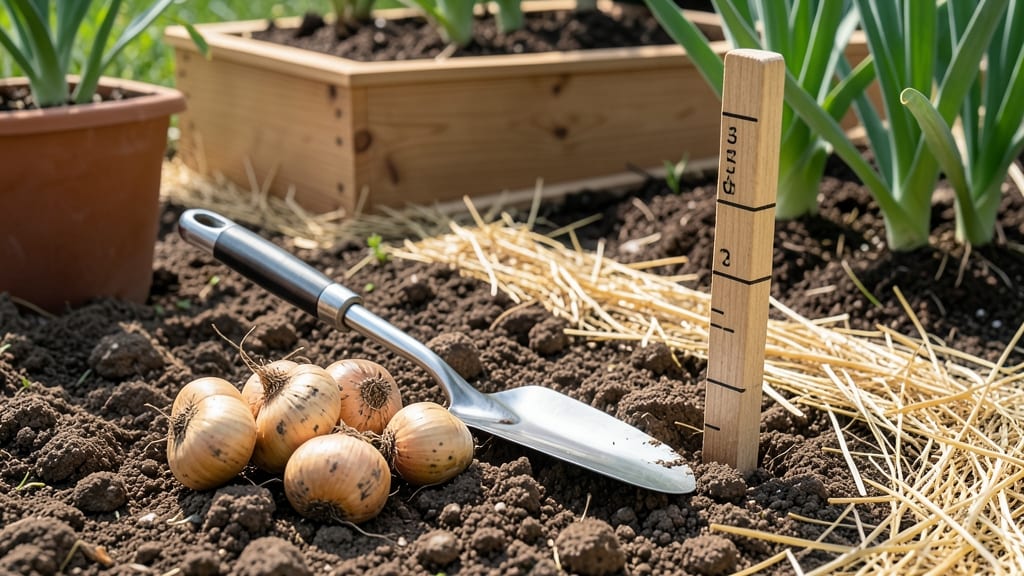
- Plant the Corms: Dig holes 4–6 inches deep and space them 6–8 inches apart. Place corms pointy end up, about 2 inches below the soil surface. This depth protects them from late frost while allowing room to grow.
- Water Thoroughly: After planting, give the soil a deep soak. This settles the corms and kickstarts root growth. Keep soil consistently moist but not waterlogged for the first 30 days.
- Mulch Lightly: Apply a 1-inch layer of mulch (straw or shredded leaves) to retain moisture and regulate soil temperature. Avoid thick mulch—it can smother emerging shoots.
One mistake I see often is overcrowding corms. Gladiolus need room to grow, and packing them too close leads to weak stems and fewer blooms. Stick to the 6–8 inch spacing rule, and you’ll get those showstopping spikes you’re after.
Also, avoid planting in areas where tomatoes or gladiolus grew last year—this prevents soil-borne diseases.
After planting, monitor for pests like slugs and thrips, which love gladiolus. Set out beer traps or use organic slug bait if needed. Once shoots appear (usually in 2–3 weeks), switch to morning watering to prevent fungal issues.
Chicago’s humidity can turn a thriving plant into a mushy mess overnight if you’re not careful.
Finally, stake your glads early if you’re growing tall varieties. Chicago’s winds can snap those 4-5 foot stems like twigs. Use bamboo stakes or floral wire to support them as they grow. This small step saves you from heartbreak when a storm rolls through.
With these steps, your gladiolus will be on their way to July blooms that rival any professional garden. Next, we’ll talk about the best varieties to pick for Chicago’s short season—some bloom earlier, others last longer, and a few even handle our unpredictable autumns like champs. 🌸