
Plants
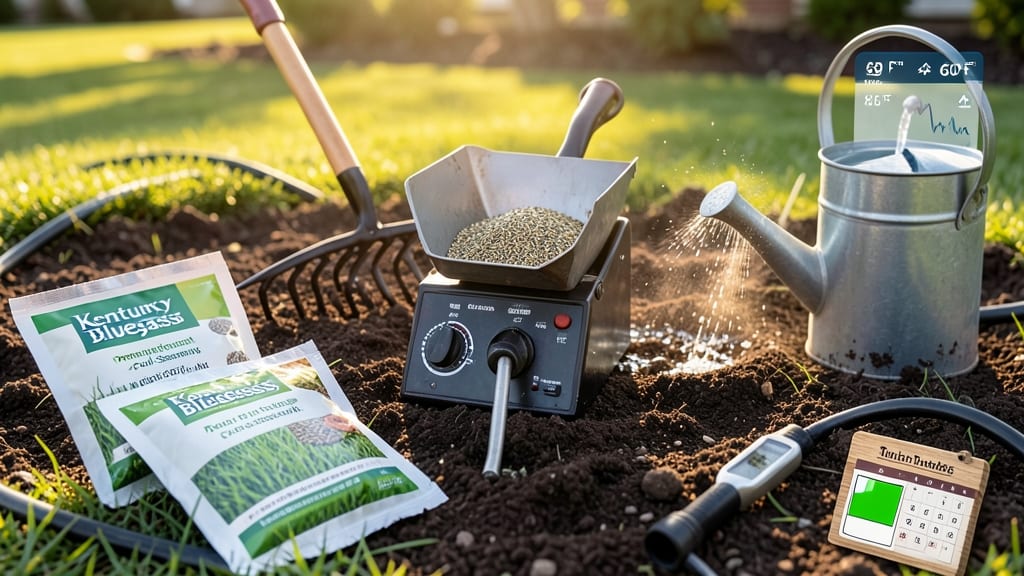
If you're staring at a bare patch in your Minnesota lawn and wondering "when is it too late to plant grass seed", the clock is ticking—but not as fast as you think.
The state's USDA zones 3-5 give you a surprisingly long window, but timing matters more than most gardeners realize.
Fall is actually the best time to plant 🌱 grass seed in Minnesota, but pushing too late risks frost killing your new growth before roots establish. We're talking about that sweet spot between early September and the first hard freeze—usually around mid-October in most regions.
Here's the good news: with the right preparation and care, you can sometimes push those deadlines by 2-3 weeks. I'll show you exactly how to read your soil's temperature cues, choose the right grass varieties for late planting, and protect your investment from Minnesota's infamous frost surprises.
Let's break down the exact dates for your specific area—because what works for Minneapolis might be too late for Duluth—and share the pro tips that'll give your grass seed the fighting chance it needs to survive until spring.
Minnesota’s exact last planting dates for grass seed by region
Minnesota’s USDA zones 3-5 create dramatic differences in last-minute grass-seeding deadlines. In southern Minnesota (zone 4-5), you’ve got until mid-October for cool-season grasses like tall fescue or Kentucky bluegrass, while northern Minnesota (zone 3) cuts off by late September.
These dates assume soil temperatures above 50°F for at least 4-6 weeks of growth before winter.
Your exact deadline depends on where you live. Minneapolis-St. Paul gardeners have until October 10-15, while Duluth must finish by September 20. Rochester falls in the middle with a October 1 cutoff.
Always check the NOAA frost prediction map—a single late frost can turn your last-minute planting into a wasted seed investment.
🌱 PRO TIP: Use a soil thermometer to verify temperatures. Grass seed needs consistent warmth to germinate—don’t rely on air temps alone.
| Region | USDA Zone | Last Planting Window | Soil Temp Requirement | Key Grass Types |
|---|---|---|---|---|
| Southern MN (Rochester, Mankato) | 4-5 | Until October 1-15 | 50°F+ for 6 weeks | Tall fescue, Kentucky bluegrass |
| Central MN (Minneapolis, St. Paul) | 4 | Until October 10-15 | 50°F+ for 5 weeks | Fine fescue, Perennial ryegrass |
| Northern MN (Duluth, Brainerd) | 3 | Until September 20-25 | 50°F+ for 4 weeks | Creeping red fescue, Hard fescue |
⚠️ Note: Warm microclimates (urban areas, south-facing yards) can extend deadlines by 1-2 weeks.
If you’re planting warm-season grasses like Bermuda or Zoysia, your window is already closed by fall—these need spring planting in Minnesota. Stick to cool-season varieties for late-season success, as they thrive in 50-65°F soil and can handle light frosts once established.
For emergency late planting, focus on fast-germinating blends like perennial ryegrass, which can sprout in 7-14 days if soil temps are ideal. Pair it with starter fertilizer (high phosphorus) to jumpstart root growth before winter sets in.
🌡️ CRITICAL FACTOR: A single hard frost below 28°F can kill new grass seedlings. Monitor NOAA’s frost forecast and aim to have 3-4 inches of growth before winter.
Minnesota’s northern regions face the harshest deadlines, but even southern zones can hit surprises. For example, 2020’s late October frost in Mankato wiped out grass planted after October 1. Always err on the side of caution—earlier is better than pushing your luck with late-season seeding.
📅 PLAN AHEAD: Mark your calendar for September 1-15 as the sweet spot for most of Minnesota. This gives seedlings 4-6 weeks to establish before winter.
How to extend your grass-seeding window: 3 critical factors to check
When you're racing against Minnesota's fall frost, every degree and day counts. The key to pushing your grass seed planting window is understanding three critical factors: soil temperature, frost predictions, and grass type selection. These aren't just technical details—they're your secret weapons for late-season success.
First, your soil temperature must stay above 50°F (10°C) for at least 4-6 weeks after planting. This gives seeds time to germinate and develop roots before winter sets in. Use a soil thermometer ($10 at garden centers) to check daily—especially in northern Minnesota, where cold snaps arrive earlier.
Next, check the NOAA frost forecast for your specific area. Urban areas like Minneapolis often stay warmer than rural zones, giving you an extra 1-2 weeks of planting time. Pro tip: Bookmark the Midwest Regional Climate Center website—they update frost predictions weekly.
Finally, choose cool-season grasses like Tall Fescue or Kentucky Bluegrass, which tolerate late planting better than warm-season types. These varieties can handle light frost once established, buying you precious time to see results before winter.
- 🌡️ Soil Temp: Maintain 50°F+ for 4-6 weeks post-planting (use thermometer)
- ❄️ Frost Alert: Check NOAA forecasts weekly—urban areas get 1-2 extra weeks
- 🌾 Grass Type: Cool-season blends (Tall Fescue) outperform warm-season in late fall
Don't overlook microclimates—your backyard might be 5°F warmer than the official forecast due to buildings or slopes. Test a small patch first if you're cutting it close. And remember: over-seeding (planting extra seed) can compensate for late planting, though you'll need to thin later.
For Duluth gardeners, aim to finish by September 1st—any later risks frost before germination. In southern Minnesota, you might push until mid-October, but verify with your local extension office. The difference isn't just days—it's the survival of your entire lawn investment.
One final pro move: If you're planting after September 20th, mix your seed with starter fertilizer (high phosphorus) to jumpstart root growth. This single step can mean the difference between bare patches and a lush lawn next spring.