
Plants
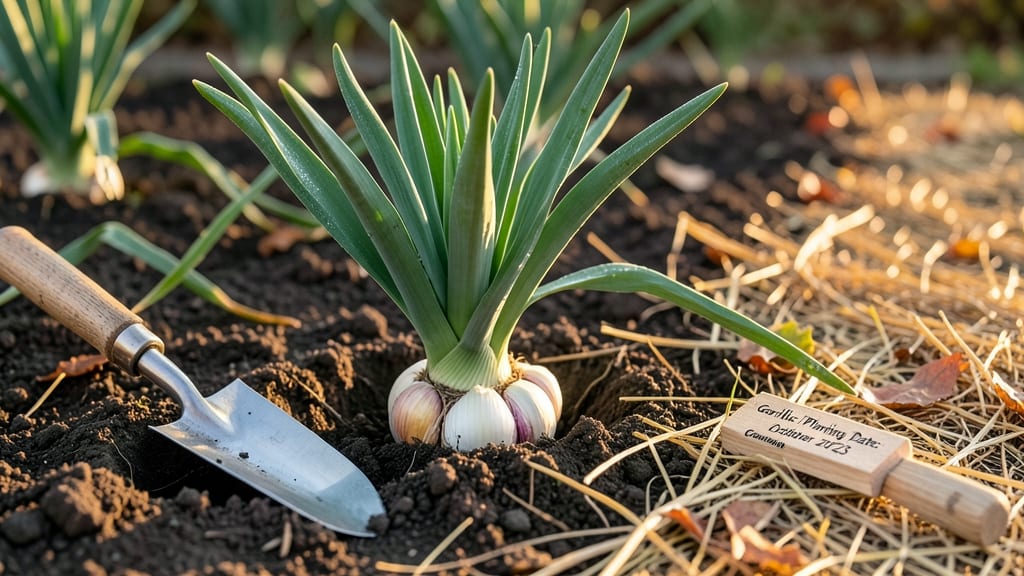
Planting garlic in Vermont at the right time is the key to growing plump, hardy bulbs that outshine store-bought varieties. With its 4b-6a climate, Vermont demands precision—plant too early, and your 🧄 may rot; too late, and it won’t establish roots before winter.
I’ve learned that the mid-to-late fall window (October–November) is when Vermont gardeners hit the sweet spot. This timing lets the cloves cold-stratify naturally, a process that boosts flavor and hardiness. Skip spring planting unless you’re prepared for smaller yields.
But here’s the game-changer: Vermont’s short growing season means you’ll need cold-resistant varieties and soil prep tricks to protect your garlic from harsh winters. Let me walk you through the exact steps to ensure your garlic survives—and thrives—until harvest next summer.
Ready to grow garlic that’s bigger, healthier, and packed with Vermont’s signature punch? Let’s dive into the climate-proof schedule that works for your zone.
Vermont garlic planting calendar: exact dates for hardneck success
Vermont’s USDA Zones 3–5 mean garlic thrives best when planted in mid-to-late fall, giving it time to establish roots before winter. The ideal window is between October 15 and November 15, but exact timing depends on your region—northern Vermont’s colder microclimates may need earlier planting.
For hardneck garlic, the key is planting 4–6 weeks before the ground freezes. In most of Vermont, this means late October to early November. Southern Vermont (like Bennington) can stretch planting slightly later, while northern areas (like Stowe) should plant by mid-October to avoid winter kill.
Soil temperature is your best guide: aim for 40–50°F at planting depth (4–6 inches). Use a soil thermometer to check—this usually aligns with first frost dates in Vermont, which average October 15–20 for most areas.
⚠️ Missed the fall window? You can plant garlic in early spring (March–April), but yields may be 20–30% smaller due to fewer winter chilling hours. Spring-planted garlic also matures 2–3 weeks later.
Here’s your Vermont garlic planting timeline broken down by region and key milestones:
| Region | Planting Window | Soil Temp Goal | Key Action |
|---|---|---|---|
| Northern VT (Zone 3–4) | October 1–15 | 40–50°F | Plant cloves 2" deep, 6" apart |
| Central VT (Zone 4) | October 15–30 | 40–50°F | Add 2" of mulch after planting |
| Southern VT (Zone 5) | November 1–15 | 45–50°F | Use straw mulch for insulation |
| Spring Backup | March 15–April 15 | 50–60°F | Expect smaller bulbs; harvest later |
After planting, mulch heavily (4–6 inches of straw or leaves) to protect cloves from freeze-thaw cycles, which can heave them out of the soil. In Vermont’s Zone 3–4, this insulation is critical—without it, cloves may freeze solid or rot.
Spring brings the next critical phase: remove mulch in early April once soil thaws to 50°F. This allows shoots to emerge without smothering. In Vermont, April showers often coincide with this thaw, so monitor soil moisture—water lightly if the top 2 inches dry out.
Hardneck garlic in Vermont typically harvests in late June to July, but timing depends on your variety. Look for lower leaves turning brown and bulbs feeling firm when gently squeezed. In northern Vermont, harvest may start 1–2 weeks earlier than southern regions due to cooler soils.
Pro tip: Mark your planting date on a calendar—Vermont’s 150 frost-free days mean every week counts. For example, planting on October 20 vs. November 1 can shift harvest by 10–14 days.
How Vermont’s climate affects garlic growth: key factors to monitor
Vermont’s Zone 3–5 climate creates unique challenges for garlic growers. The cold stratification garlic needs during winter isn’t just about survival—it’s essential for bulb formation. Without proper winter chilling (30–45°F for 60+ days), your garlic will bolt prematurely or produce weak bulbs.
Snow cover acts as a natural insulator, protecting cloves from freeze-thaw cycles that can damage roots. In years with light snowfall, like 2023’s erratic winters, mulch with straw (4–6 inches) to mimic snow’s protective effect. This is especially critical in northern Vermont, where winters are harsher.
Spring thaw speed matters too. If the ground thaws too quickly (within 2 weeks), garlic may struggle to establish roots before summer heat arrives. Monitor soil temperature—plant when it’s 40–50°F at 4 inches deep, a sign roots can safely grow.
Late frosts in May can kill emerging garlic shoots. Use row covers if your last frost typically occurs after May 15th. Southern Vermont gardens (e.g., Burlington) have a 2-week earlier frost-free date than northern areas (e.g., St. Johnsbury), so adjust planting dates accordingly.
Vermont’s humidity levels (50–70%) also influence garlic health. High humidity increases fungal risks like white rot. Space cloves 6 inches apart and avoid overhead watering to improve airflow. If your garden sits in a low-lying area, choose disease-resistant varieties like ‘Chesnok Red’.
Finally, spring rainfall patterns dictate irrigation needs. Vermont’s April–May typically brings 3–4 inches of rain, but droughts can occur. Water deeply once every 10–14 days if natural rainfall drops below 1 inch per week. Yellowing leaves in spring often signal underwatering, not nutrient deficiency.
By tracking these climate variables, you’ll avoid common pitfalls like premature bolting or stunted growth. Vermont’s garlic thrives when you work with, not against, its unpredictable weather patterns. 🌡️