
Plants
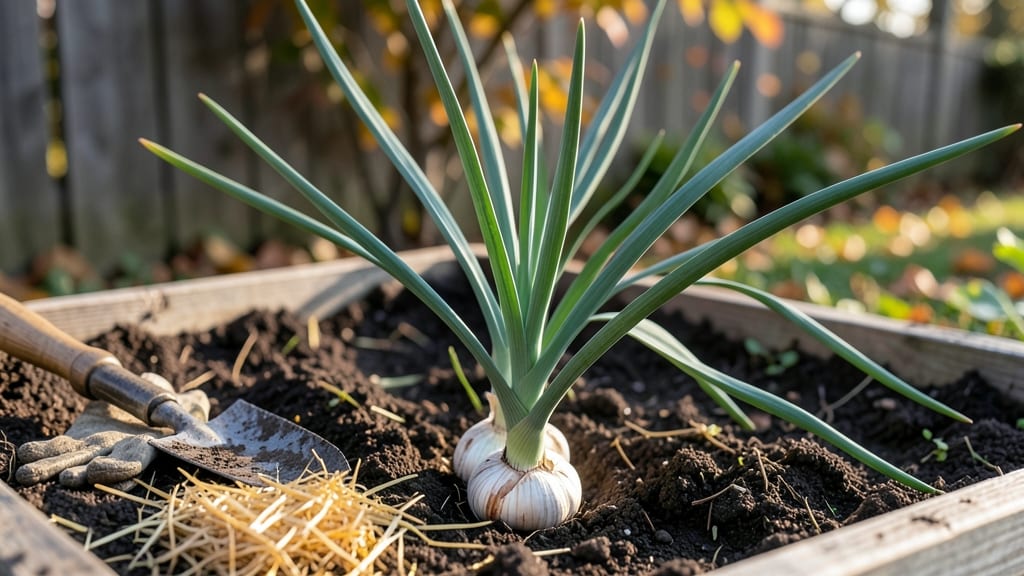
Timing your garlic planting in Tennessee is the difference between a bumper crop of plump, flavorful bulbs and a disappointing harvest—or worse, no garlic at all. With Tennessee’s diverse USDA zones 6a-8a and unpredictable frost dates, getting the window right is critical.
Miss it by even a few weeks, and you risk weak growth or cloves that never mature.
Most gardeners in Tennessee plant 🧄 garlic in fall—typically between October and November—but the exact timing depends on your zone and variety. Hardneck types need to establish roots before winter, while softnecks can handle slightly later plantings.
I’ll break down the last-chance deadlines for each zone, so you can plant with confidence and avoid common mistakes that derail even experienced growers.
Why does this matter? Because garlic planted too early may sprout prematurely, while late plantings risk winter kill. In East Tennessee’s cooler microclimates, you might need to adjust your schedule by weeks compared to West Tennessee’s warmer valleys.
I’ll show you how to read your soil’s temperature cues and when to pull the trigger—no guesswork required.
By the end, you’ll know exactly when to plant for bold, healthy garlic that’s ready to harvest in late June or July. Let’s get those cloves in the ground at the perfect moment for Tennessee’s climate.
Tennessee garlic planting deadlines by variety: hardneck vs softneck timing
Tennessee’s USDA zones 6a-8a create a tight window for planting garlic, where fall timing determines whether you’ll harvest bold, flavorful bulbs or struggle with weak growth.
The key? Planting 4-6 weeks before the ground freezes—typically between mid-October and early November—while ensuring soil temps stay above 40°F to prevent premature sprouting.
Hardneck varieties like ‘Music’ or ‘German Red’ thrive in TN’s climate, while softneck types such as ‘Silverskin’ need slightly later plantings. Missing the window risks winter kill or stunted bulbs, so let’s break down the exact deadlines by zone and variety to avoid these pitfalls.
🌱 PRO TIP: Use a soil thermometer to confirm temps—40°F soil is your cutoff for planting. If temps drop below this, cloves may sprout too early and rot.
| Variety Type | Ideal Planting Window (TN Zones 6a-8a) | Last Chance Before Frost | Soil Temp Rule |
|---|---|---|---|
| Hardneck (e.g., 'Music', 'German Red') | Mid-October to early November | Early December (Zone 6a) / Late December (Zone 8a) | Above 40°F for 2+ weeks |
| Softneck (e.g., 'Silverskin', 'Artichoke') | Late October to mid-November | Mid-December (Zone 6a) / Early January (Zone 8a) | Above 45°F for 1+ week |
| Elephant Garlic (e.g., 'Inchelium Red') | Late September to early October | Early November (all zones) | Above 50°F for 1 week |
⚠️ WARNING: Planting after these deadlines risks frost damage or rot in TN’s clay-heavy soils.
For Zone 6a gardeners in East Tennessee (e.g., Great Smoky Mountains), aim for mid-October plantings—earlier than Middle or West TN due to colder microclimates. In Zone 8a areas like Memphis, you can stretch deadlines until late December, but soil temps are critical.
Use this 40°F soil rule: If your soil stays above this temp for 2+ weeks, cloves won’t sprout prematurely. Test with a soil thermometer at 4-inch depth—the ideal planting zone. If temps drop below 32°F, mulch heavily with straw (4-6 inches) to insulate bulbs.
Spring planting is not recommended in TN—garlic needs 120-180 days of cold to form bulbs. If you miss fall deadlines, consider container growing in a greenhouse or protected space, but yields will be 50% smaller.
Pro tip: Separate cloves 1 week before planting to dry the papery skins. This reduces rot risk in TN’s damp winters. Plant 2 inches deep, 4 inches apart, with 6 inches between rows for optimal airflow.
🌿 REMEMBER: Tennessee’s clay soils drain poorly—amend with compost or sand to prevent waterlogged cloves. Aim for a pH of 6.0-7.0 for best results.
How to adjust planting dates for Tennessee’s microclimates: mountain vs valley differences
Tennessee’s diverse geography means your garlic planting date could vary by weeks depending on whether you’re in the Smoky Mountains or the Nashville Basin. East Tennessee’s high elevations (USDA zones 6a-7a) freeze earlier than West Tennessee’s valleys (zones 7b-8a), so timing adjustments are critical.
For example, gardeners in Johnson City might plant in early October, while those in Memphis can wait until mid-November without risking winter kill.
Microclimates create 30-45 day planting windows across the state. In cooler mountain areas, aim for 4-6 weeks before first frost (typically by October 15), while valley regions can push to November 1 or later.
The key is monitoring soil temperatures—plant when they consistently stay above 40°F during the day but can drop below freezing at night.
Here’s how to adapt your schedule based on Tennessee’s three main regions:
Tennessee Garlic Planting by Region
Zones 6a-7a
- ✅ Plant by October 15
- ✅ Soil temp: 40-50°F
- ✅ First frost: Nov 1-15
- ✅ Mulch depth: 4-6 inches
Zones 7a-7b
- ✅ Plant by October 30
- ✅ Soil temp: 45-55°F
- ✅ First frost: Nov 15-30
- ✅ Mulch depth: 3-5 inches
Zones 7b-8a
- ✅ Plant by November 15
- ✅ Soil temp: 50-60°F
- ✅ First frost: Dec 1-15
- ✅ Mulch depth: 2-4 inches
For late plantings (after November 1), focus on frost protection. In Zone 6a areas, use straw mulch 6+ inches deep and consider row covers for extra insulation. In Zone 8a, you can sometimes get away with December plantings, but growth will be slower, and bulbs may be smaller.
If you’re in a transition zone (like Chattanooga), err on the earlier side—better to plant too soon than too late.
Another critical factor is elevation changes. Even within 50 miles, a 1,000-foot elevation gain can shift your frost date by 2-3 weeks. Check local cooperative extension records or use a frost calendar app to fine-tune your schedule.
For example, Gatlinburg’s frost dates are weeks earlier than Knoxville’s, just 20 miles away.
Finally, don’t overlook microclimates within your yard. South-facing slopes warm faster than north-facing areas, so plant those spots 1-2 weeks later. If your garden sits in a frost pocket (common in valleys), add extra mulch or use black plastic mulch to retain heat.
With these adjustments, you’ll maximize your garlic’s overwintering success and harvest bigger, healthier bulbs next summer.