
Plants
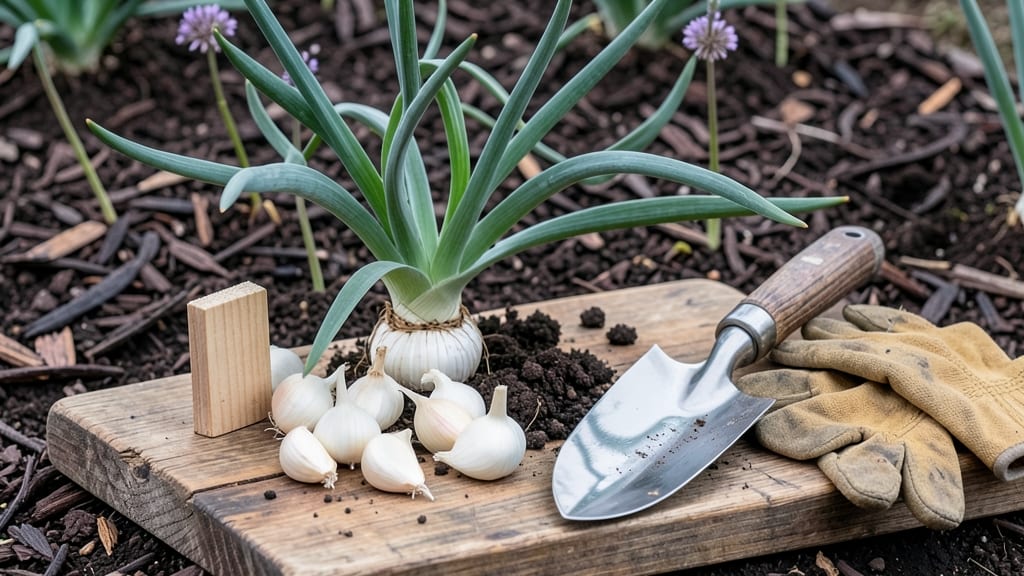
If you’ve ever bitten into a homegrown garlic bulb from Northeast Ohio and wondered how to replicate that rich, robust flavor, the answer starts with when you plant it.
Timing isn’t just about luck—it’s the difference between a mediocre harvest and a bountiful crop of plump, flavorful cloves ready by next summer.
For gardeners in USDA Zone 6a, like myself, the window to plant garlic is narrow but critical: late October through November. Plant too early, and your cloves might rot before winter sets in; too late, and they won’t establish strong roots before the ground freezes.
This guide will walk you through the exact steps to nail your planting schedule, from choosing the right variety to adjusting for Northeast Ohio’s unpredictable frosts.
You’ll learn why hardneck varieties like ‘Music’ or ‘German White’ thrive in our cold winters, how to prep your soil for maximum bulb development, and even how to tell when your garlic is ready to harvest—without guessing.
Let’s get those cloves in the ground the right way, so you can enjoy the rewards of a flavorful, homegrown harvest next July.
Whether you’re a seasoned gardener or just starting with 🧄, these insights will help you avoid common pitfalls and grow garlic that rivals anything you’ve ever bought at the store. Ready to dig in?
Best planting months for Northeast Ohio garlic: exact dates for hardneck vs softneck varieties
Northeast Ohio’s USDA Zone 6a climate demands precise timing for garlic planting—fall is your best window, but the exact dates depend on whether you’re growing hardneck or softneck varieties.
Hardnecks (like ‘Music’ or ‘German White’) thrive with 6-8 weeks of cold exposure, while softnecks (like ‘Silverskin’) tolerate milder winters. Miss the window, and you risk small bulbs or rot from winter moisture.
For Northeast Ohio, aim to plant between mid-October and mid-November. This gives garlic roots time to establish before the ground freezes—typically mid-November in most areas. Soil temperatures should hover between 40–50°F (4–10°C) for ideal root growth.
Use a soil thermometer to check; if temps drop below 32°F (0°C), cover with straw mulch (3–4 inches) to insulate.
Microclimates matter! Cleveland’s lake-effect winters may delay frost by 1–2 weeks compared to inland areas like Youngstown. Adjust your planting date accordingly—if your zone tends toward earlier frosts, plant by late September to avoid rushing.
Conversely, if you’re in a warmer microclimate, wait until early November to prevent premature sprouting.
🌱 Northeast Ohio Garlic Planting Timeline
| Stage | Action | Key Notes |
|---|---|---|
| Soil Prep | Test pH (6.0–7.0), amend with compost | Do this in September to avoid fall rush |
| Hardneck Planting | Mid-October to mid-November | Needs 6–8 weeks of cold for bulb formation |
| Softneck Planting | Late October to early December | Tolerates milder winters but still needs chill |
| Mulching | Apply 3–4" straw after planting | Prevents heaving and insulates roots |
| Spring Care | Remove mulch in March, fertilize lightly | Avoid high-nitrogen fertilizer—focus on phosphorus |
| Harvest | Late June to July (following year) | Wait until lower leaves brown, upper leaves stay green |
Why does timing matter so much? Garlic bulbs develop over 180–240 days of growth, but they need vernalization—a period of cold—to trigger bulb formation. Plant too early (e.g., September), and cloves may sprout before winter, only to rot when frozen.
Plant too late (e.g., December), and roots won’t establish before dormancy, leading to stunted bulbs or no harvest at all.
Hardneck varieties are more forgiving if planted slightly late because they prioritize cold exposure. Softnecks, however, can handle later planting (even December) but may produce smaller bulbs if the winter isn’t cold enough.
For Northeast Ohio’s climate, I recommend sticking to the October–November window for both types—it’s the sweet spot for large, flavorful bulbs.
Pro tip: Use last frost dates as a guide, not hard rules. In Northeast Ohio, the average first frost hits mid-October, but soil temperatures lag behind air temps.
Plant 4–6 weeks before the ground freezes (not the air). For example, if your soil freezes around November 15th, aim to plant by late October.
One common mistake? Assuming all of Northeast Ohio has the same frost dates. Urban areas like Cleveland may experience later frosts due to the lake effect, while rural areas like Trumbull County can see earlier freezes.
Check local Cooperative Extension data or use a soil thermometer to confirm your exact window. When in doubt, plant on the earlier side—garlic cloves won’t sprout until soil temps rise in spring.
Finally, don’t overlook clove size. Use large cloves (from the center of the bulb) for planting—they yield bigger bulbs the following year. Save small cloves for next year’s crop or compost them.
And always plant the pointy end up, flat side down—this ensures faster germination and stronger stems.
With the right timing and a little local know
Best planting months for Northeast Ohio garlic: exact dates for hardneck vs softneck varieties
Northeast Ohio’s USDA Zone 6a climate demands precision when planting garlic. The ideal window is late October through mid-November, when soil temperatures hover between 40–50°F. This timing ensures cloves establish roots before winter dormancy but avoid rotting from early frost or soggy ground.
For example, Cleveland’s average first frost hits October 15–20, while Youngstown may see it a week later—adjust accordingly.
Hardneck varieties like ‘Music’ or ‘German White’ are your best bet for our winters, as they thrive in cold conditions and produce scape shoots in summer.
Softneck types (e.g., ‘Silverskin’) can also work but often yield smaller bulbs in Zone 6a. The key is planting 4–6 weeks before the ground freezes, giving roots time to anchor before snowfall.
| Variety Type | Ideal Planting Window | Soil Temp Threshold | Key Advantage |
|---|---|---|---|
| Hardneck (e.g., 'Music') | October 15–November 15 | 40–50°F | Cold-hardy, produces scapes |
| Softneck (e.g., 'Silverskin') | October 20–November 10 | 45–55°F | Longer storage life |
| Both Types | Avoid planting after November 20 | Risk of frost damage | Smaller bulb size |
Adjust your planting date based on local microclimates. Urban areas like Cleveland may experience earlier frosts due to concrete heat absorption, while rural spots like Geauga County might have 2–3 extra weeks before freezing.
Use a soil thermometer to confirm readiness—cloves need consistent 40°F soil for 2+ weeks to root properly.
Pro tip: If you miss the fall window, you can plant garlic in early spring (March), but bulbs will be 30–50% smaller due to shorter growing season.
Spring-planted garlic also lacks the winter chill period that hardneck varieties need to form proper bulbs. For the best flavor and size, stick to fall planting.
Once planted, mulch with 2–3 inches of straw to insulate cloves through winter. This protects them from freeze-thaw cycles and prevents heaving. By spring, you’ll see lush green shoots—proof your timing was spot-on for a summer harvest of robust bulbs.
Remember: The earlier you plant within the window, the larger your bulbs will grow. But don’t rush—soil must be cool enough to prevent rot. Aim for mid-October as your target, and you’ll be set for a July harvest of garlic that rivals any store-bought variety. 🧄