
Planting
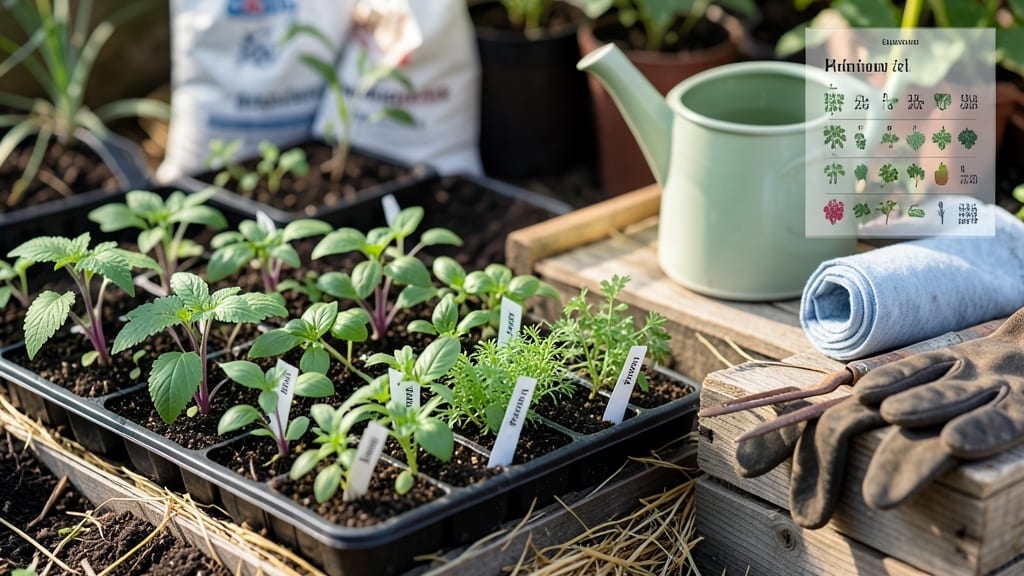
Timing your garden planting in Virginia isn't just about throwing seeds in the dirt—it's about avoiding that heartbreaking mid-April frost that can wipe out your hard work before it even begins.
With USDA zones ranging from 6a to 8a, knowing the exact windows for your region makes all the difference between a thriving 🌱 garden and a disappointing one.
Whether you're dreaming of juicy tomatoes or vibrant perennials, the key is understanding when to start seeds indoors versus direct-sowing outdoors. Piedmont gardeners face different risks than those in the coastal Tidewater region, and mountain areas have their own unique microclimates.
Let me break down the exact months you should be planting—so you can maximize your harvest without frost damage.
From cool-season crops like spinach in early spring to warm-season favorites like peppers in late summer, we'll cover it all. You'll discover how to stretch your growing season with simple tricks, like using row covers or choosing heat-tolerant varieties. No more guessing—just actionable advice tailored to Virginia's unpredictable weather.
Ready to transform your backyard into a productive garden? Let's dive into the month-by-month planting calendar that'll help you grow like a pro—no frost-related disappointments included.
Virginia’s planting zones & frost dates: when to start seeds indoors vs. outdoor planting
Virginia spans USDA hardiness zones 5a–8a, meaning frost dates vary dramatically from the mountains (zone 5a) to the Tidewater coast (zone 8a). The last spring frost typically arrives between mid-March and early May, while the first fall frost hits late September to mid-October.
These dates dictate whether you’re planting cool-season crops (like spinach or peas) or warm-season favorites (tomatoes, peppers).
For cool-season crops, you can start seeds indoors 4–6 weeks before the last frost (February–March) or direct-sow outdoors 2–4 weeks before. Warm-season crops, however, need soil temperatures above 60°F—wait until after May 10 in most regions.
Mountain areas (like Roanoke or Blacksburg) may need to wait until late May or June.
Here’s how Virginia’s regions break down for planting:
| Region | USDA Zone | Last Frost Date | First Frost Date | Indoor Start (Warm-Season) | Outdoor Planting Window |
|---|---|---|---|---|---|
| Mountains (e.g., Roanoke, Blacksburg) | 5a–6a | Late April–May 10 | Mid-October | March 1–April 15 | May 20–June 15 |
| Piedmont (e.g., Richmond, Charlottesville) | 6b–7a | April 1–April 20 | Late October | March 15–April 30 | April 30–May 15 |
| Coastal (e.g., Norfolk, Hampton Roads) | 7b–8a | March 15–April 1 | Early November | February 20–March 30 | March 20–April 10 |
For cool-season crops like broccoli, peas, and lettuce, you can direct-sow 2–4 weeks before the last frost or start seeds indoors 6–8 weeks before. These plants thrive in cooler temperatures (40–70°F) and can even handle light frosts.
In contrast, warm-season crops (tomatoes, peppers, cucumbers) need consistent warmth—plant them only after soil reaches 60°F and nighttime temps stay above 50°F.
One of my biggest mistakes was planting tomato seedlings too early in Richmond. The late-April frost killed my plants, forcing me to replant. Now, I use a frost watch from the National Weather Service and wait until May 1 for warm-season crops in the Piedmont.
Coastal gardeners can plant 2–3 weeks earlier, while mountain gardeners should delay until June.
If you’re growing perennials or shrubs, the best time to plant is early spring (March–April) or fall (September–October). This gives roots time to establish before extreme heat or cold.
For example, azaleas and rhododendrons prefer acidic soil (pH 4.5–6.0) and should be planted in spring to avoid winter stress.
For herbs like basil and cilantro, timing matters too. Basil needs warm soil (70°F+) and should be planted after May 15 in most of Virginia. Cilantro, however, is a cool-season herb and should be sown in early spring or late summer for a fall harvest.
Overheating will cause cilantro to bolt (flower prematurely), so use shade cloth in summer if you must grow it then.
Pro tip: Use a soil thermometer to check temperatures before planting warm-season crops. If the soil is below 60°F, your seeds may rot or fail to germinate.
In my garden, I’ve seen tomato seeds take 2 weeks to sprout in cold soil versus 3–5 days in warm soil. Patience is key—don’t rush!
Finally, don’t forget about fall planting. Many gardeners focus only on spring, but cool-season crops like kale, spinach, and carrots thrive in fall and winter in Virginia’s milder zones (7b–8a).
Plant these 6–8 weeks before the first frost (August–September) for a harvest before winter sets in. In colder zones (5a–6a), use row covers or cold frames to extend the season.
🌱
Month-by-month planting calendar for Virginia gardens: what to plant when for maximum yield
Virginia’s 180–220 frost-free days mean careful timing is key to a bountiful harvest. Whether you're in zone 6b (mountains) or zone 8a (coastal), this month-by-month guide keeps your garden thriving year-round. Start with cool-season crops in early spring, then transition to warm-season favorites as temperatures rise.
In February–March, focus on indoor starts like tomatoes and peppers (begin 6–8 weeks before last frost) while direct-sowing hardy greens like spinach and peas. Coastal areas can plant earlier, while mountain regions should wait until mid-March. Soil temperature is your best guide—wait until it hits 40°F for cool crops.
Here’s your actionable planting timeline for Virginia’s most productive months:
- 1 February–March: Start tomatoes, peppers, and eggplants indoors. Direct-sow onions, peas, and spinach outdoors when soil is workable.
- 2 April: Transplant broccoli, cabbage, and lettuce after last frost (mid-April in Piedmont). Plant beans and cucumbers when soil reaches 60°F.
- 3 May–June: Sow squash, corn, and melons after frost risk passes. Begin succession planting for lettuce and radishes every 2 weeks.
- 4 July: Plant fall crops like kale, carrots, and beets for harvest in October–November. Mulch to retain moisture.
- 5 August–September: Direct-sow cool-season crops (spinach, radishes) for winter harvests. Plant garlic in late September for next year’s crop.
For zone 7b–8a (coastal and southern Virginia), you can push warm-season crops like okra and sweet potatoes into late June–July. Meanwhile, mountain gardeners in zone 6a should wait until mid-May for frost-sensitive plants. Always check your local last frost date—it’s your garden’s lifeline.
Don’t forget succession planting! By sowing lettuce or radishes every 2 weeks from April to July, you’ll enjoy a continuous harvest instead of one big crop. This trick works especially well for fast-growing greens and root vegetables like carrots.
As summer winds down, shift to fall planting in August–September. Broccoli, cabbage, and Brussels sprouts thrive in cooler weather and can handle light frosts. Use row covers to extend their season even further. With this calendar, you’ll turn Virginia’s humid summers and mild winters into your garden’s superpower.