
Planting
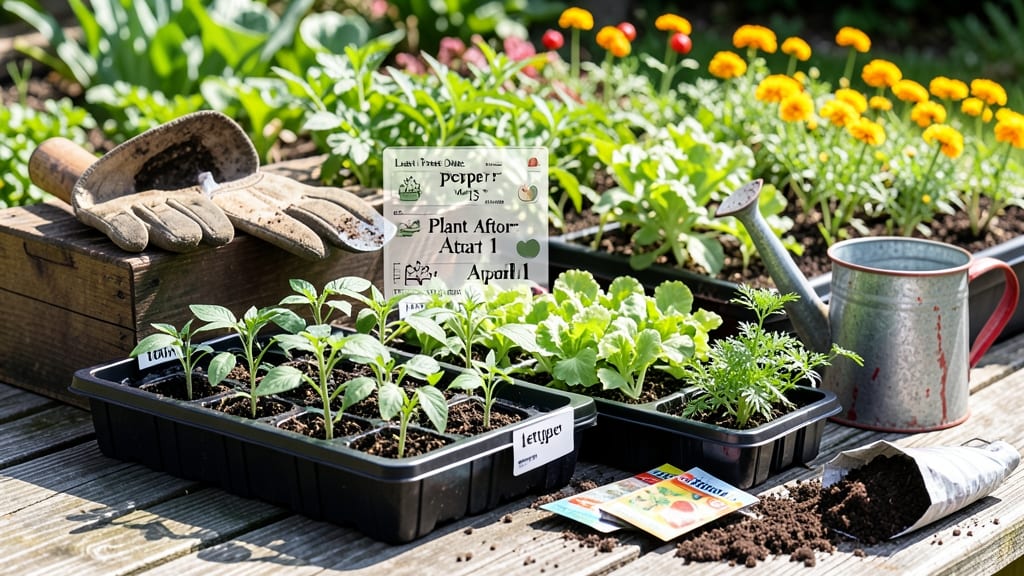
Timing your garden planting in Tennessee can mean the difference between a thriving harvest and wasted effort. The last frost dates in Zone 7A/B vary dramatically—from early March in Nashville to late April in the mountains—so getting it right is everything.
You’ve probably heard that Tennessee’s mild climate makes gardening easier, but without knowing exactly when to plant each crop, you risk losing seedlings to unexpected frost or missing peak growing seasons. Whether you’re growing tomatoes, peppers, or cool-season greens, the right schedule ensures your 🌱 General Garden thrives.
In this guide, I’ll break down the perfect planting windows for your region, including adjustments for Tennessee’s microclimates. You’ll learn how to align your planting with frost-free deadlines, extend your growing season, and avoid common mistakes that derail even the most eager gardeners.
Ready to turn your Tennessee garden into a year-round success? Let’s get started with the critical deadlines you need to know.
Tennessee zone 7A/b planting deadlines by crop type (frost-free timeline)
Tennessee’s Zone 7A/B offers a 150-240 day frost-free window, but your exact planting timeline depends on whether you’re growing cool-season crops (like lettuce) or warm-season crops (like tomatoes).
The average last frost date ranges from March 15 (mountains) to April 15 (valleys), while the first frost typically arrives between October 15-31. Nashville sits in the middle, with March 22 as its average last frost date.
For cool-season crops, start seeds indoors 6-8 weeks before your last frost date. Direct-sow hardy crops like spinach, peas, and kale as early as February in valleys or March in mountains.
Warm-season crops like tomatoes, peppers, and cucumbers need to wait until 2 weeks after your last frost date—typically April 1-May 1—to avoid frost damage.
Here’s your frost-free planting calendar for Tennessee’s most popular crops, adjusted for Zone 7A/B:
| Crop Type | Planting Window | Last Frost Deadline | Notes |
|---|---|---|---|
| Cool-Season Vegetables (Lettuce, Spinach, Kale, Peas) | Feb-Mar (Valleys) / Mar-Apr (Mountains) | 4-6 weeks before last frost | Succession plant every 2 weeks for continuous harvest |
| Warm-Season Vegetables (Tomatoes, Peppers, Cucumbers) | Apr-May (After last frost) | 2 weeks after last frost | Use row covers for early starts in mountains |
| Flowers (Marigolds, Zinnias, Sunflowers) | Mar-Apr (Cool) / May-Jun (Warm) | After soil temps reach 60°F | Direct-sow seeds for best results |
| Herbs (Basil, Cilantro, Dill) | Mar-Apr (Cool) / May-Jun (Warm) | After frost risk passes | Basil hates cold—wait until late spring |
| Fall Crops (Broccoli, Carrots, Radishes) | Jul-Aug (60 days before first frost) | Sept-Oct (Valleys) / Aug-Sep (Mountains) | Extend season with row covers |
Pro tip: Use Tennessee Extension’s frost date maps to pinpoint your exact last frost date. For example, Chattanooga’s last frost is often 2 weeks earlier than Nashville’s due to its lower elevation.
If you’re in the mountains (Zone 6B), add 1-2 weeks to all deadlines to account for cooler soils.
For warm-season crops, don’t rush planting—soil needs to hit 60°F+ for seeds to germinate. Test soil temps with a soil thermometer or wait until May 1 in most of Tennessee to be safe. Tomatoes and peppers are especially sensitive; planting too early leads to blossom-end rot or stunted growth.
Fall planting is your second chance at a harvest! Start cool-season crops like kale, carrots, and radishes in July-August for a September-October harvest. Use row covers to extend harvests into November in valleys. In the mountains, you can push harvests even later due to cooler nights.
Remember: Succession planting is your secret weapon. For example, sow lettuce every 2 weeks from March-June to avoid bolting (going to seed) in Tennessee’s 90°F+ summer heat. This keeps your salad bowl full without gaps!
Plan ahead for next year’s garden by marking your last frost date on your calendar. If you’re new to Tennessee gardening, start with easy crops like beans, zucchini, and marigolds—they’re forgiving and thrive in Tennessee’s humid climate.
How to adjust planting times for Tennessee’s microclimates (mountains vs. valleys)
Tennessee’s diverse geography means your neighbor’s planting schedule might not work for you. The state spans from high-elevation mountain regions (like the Smokies) to lowland valleys (such as Nashville’s Cumberland Plateau), where temperatures can differ by 20°F or more just miles apart.
These microclimates drastically impact your last frost dates and growing season length.
In mountain areas (Zone 7A), like Sevier County, average last frost dates hover around April 15, while valley regions (Zone 7B), such as Middle Tennessee, often see frost-free conditions by March 20.
This means mountain gardeners have a shorter growing season but cooler summers, while valley gardeners face earlier planting but 100°F+ heat waves that can stress plants.
Here’s how to adapt your planting schedule based on your Tennessee location:
| Factor | Mountain Regions (Zone 7A) | Valley Regions (Zone 7B) |
|---|---|---|
| Last Frost Date | April 15 | March 20 |
| First Frost Date | October 30 | October 15 |
| Summer Heat Risk | Low (80s°F) | High (100°F+) |
| Soil Warming Trick | Black plastic mulch | Shade cloth for seedlings |
| Best Early Crops | Peas, spinach | Lettuce, radishes |
For mountain gardeners, focus on cool-season crops like broccoli and cabbage, which thrive in the shorter season. Use row covers to extend your spring planting window by 2-3 weeks.
In valleys, prioritize heat-tolerant varieties of tomatoes and peppers, and plant fast-maturing crops like bush beans to avoid summer stress.
Another key difference? Soil warming matters more in mountains. Spread black plastic mulch 2-3 weeks before planting to raise soil temps by 5-10°F. Valley gardeners should avoid mulch in peak summer—opt for drip irrigation instead to prevent soil overheating. Both regions benefit from succession planting to maximize harvests.
Pro tip: Check your local Tennessee Extension office for hyper-local frost data. Even within 50 miles, frost dates can shift by weeks—knowledge that turns a marginal harvest into a bountiful one. 🌿