
Flowers
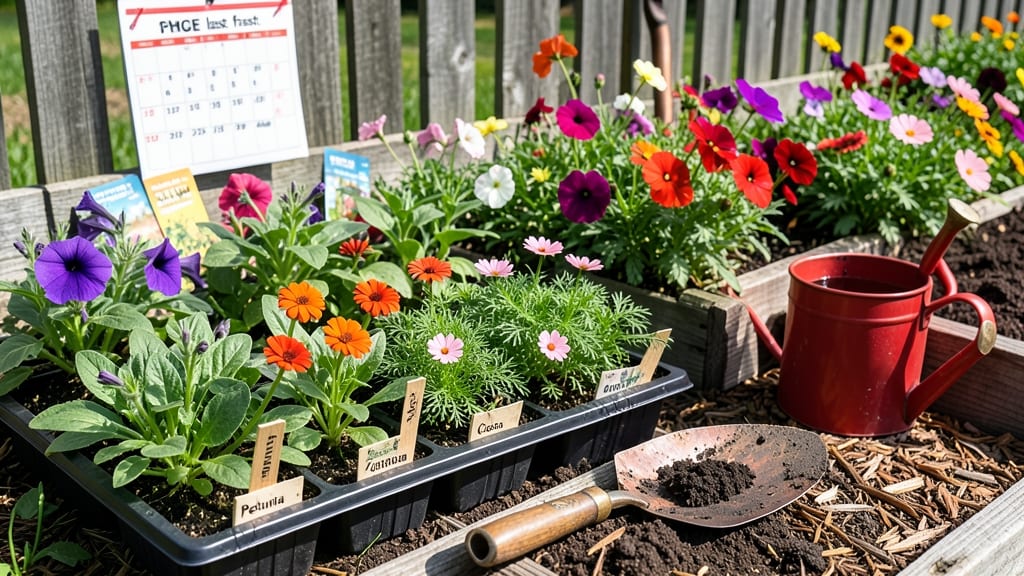
Knowing the best time to plant flowers in Ohio can mean the difference between a showstopping garden and a sad, frost-killed disappointment.
Ohio’s Zone 6a climate throws curveballs with late frosts that can sneak in even after Easter, but timing your plantings right ensures your 🌸 blooms thrive from spring to fall.
Most gardeners wait until after the last frost date—typically around April 15—but some hardy annuals like pansies can handle cooler temps if planted in early spring.
The key is balancing warmth and frost risk, whether you’re sowing seeds or transplanting seedlings. Get this wrong, and you’ll spend May watching your progress melt away.
In this guide, I’ll break down the best planting windows for Ohio’s most popular flowers, from cold-tolerant varieties to heat-loving summer stars. You’ll learn how to read frost forecasts, adjust for microclimates (like urban heat islands), and even push your season earlier with simple tricks.
No more guessing—just vibrant blooms all season long.
Ready to transform your garden into a year-round paradise? Let’s dive into the science and strategies that’ll have your flowers thriving, no matter what Ohio’s fickle weather throws your way. The secret starts with the right timing—and I’ve got you covered.
Ohio’s frost dates by Zone: when to plant flowers for maximum survival
Ohio’s USDA Zones 5-6 mean frost can strike anytime between mid-April and late May, but knowing your local last frost date is the key to planting flowers successfully.
In Columbus, the average last frost occurs around April 15, while Cleveland often sees frost linger until May 1. Cincinnati falls somewhere in between, typically around April 20. These dates are your planting green light for most annual flowers.
For perennials, you can plant as early as March in Zone 6a areas (like southern Ohio), but Zone 5b (northwest Ohio) gardeners should wait until late April to avoid frost damage. Tender annuals, like marigolds or petunias, need to wait until two weeks after your last frost date to thrive.
Here’s the critical rule: Wait until nighttime temperatures consistently stay above 50°F (10°C) before planting heat-loving flowers. Cold-hardy varieties, such as pansies or snapdragons, can handle 32°F (0°C) and can be planted 4-6 weeks before your last frost date.
🌱 Pro Tip: Use a frost-free date calculator from the National Oceanic and Atmospheric Administration (NOAA) for your exact location. These tools account for microclimates (like urban heat islands or sheltered garden spots) that can shift frost dates by 1-2 weeks.
| Region | Avg. Last Frost | Safe Planting Window | Cold-Hardy Flowers | Tender Flowers |
|---|---|---|---|---|
| Northern Ohio (Cleveland, Toledo) | May 1 | May 15 - June 1 | Pansies, Snapdragons, Sweet Alyssum | Marigolds, Petunias, Zinnias |
| Central Ohio (Columbus, Dayton) | April 15 | April 30 - May 15 | Violas, Calendula, Stock | Geraniums, Impatiens, Begonias |
| Southern Ohio (Cincinnati, Lexington) | April 20 | April 25 - May 10 | Dianthus, Primrose, Sweet Peas | Coleus, Lobelia, Verbena |
🌡️ Note: Check NOAA’s Frost Probability Tool for real-time updates—frost dates can shift yearly!
If you’re planting bulbs like tulips or daffodils, the best time is fall (October-November), when soil temperatures drop below 60°F (15°C). This gives roots time to establish before winter dormancy. For spring-blooming bulbs, aim to plant 6-8 weeks before the ground freezes.
For container-grown flowers, you can push the envelope slightly by planting 2-3 weeks earlier than in-ground flowers. Containers warm up faster and can be moved to protected spots if frost threatens. Black plastic mulch can also raise soil temperatures by 2-4°F, giving delicate plants a head start.
🌿 Warning: Avoid planting warm-season flowers (like tomato plants or peppers—though they’re not flowers, they’re often planted alongside them) until after Memorial Day. These plants cannot tolerate frost and will die if exposed to temperatures below 55°F (13°C).
To track frost dates like a pro, bookmark the Midwestern Regional Climate Center’s Frost/Freeze Tool. It provides historical data and probability maps so you can adjust your planting schedule based on 5-year averages or decadal trends.
For example, Columbus has seen later frosts in recent years, so gardeners there may need to wait until May 1 for safety.
Finally, remember that microclimates play a huge role. A south-facing wall or paved area can create a warmer microclimate that allows you to plant 1-2 weeks earlier than the average frost date. Conversely, low-lying areas or shady spots may stay colder longer.
By mastering Ohio’s frost dates and planting at the right time, you’ll enjoy longer bloom seasons and healthier flowers with minimal risk. Start with cold-hardy varieties in early spring, then transition to heat-loving annuals once frost is out of the picture for good!
Best flowers to plant by month: Ohio-specific schedule for year-round color
Ohio’s diverse climate lets you enjoy colorful blooms year-round if you plant at the right time. Unlike many states, Ohio’s Zone 5-6 frost dates create distinct windows for early spring, summer, and fall planting—each with its own hardy flower varieties.
For early spring (March-April), focus on cold-tolerant annuals like pansies and snapdragons, which thrive in 40-50°F soil. These frost-resistant flowers can handle Ohio’s late frosts while still blooming brightly. I always plant mine 6-8 weeks before the last expected frost date.
🌱
- 📅 March-April: Pansies, Snapdragons, Sweet Alyssum, Violas (plant 4-6 weeks before last frost)
- 📅 May-June: Petunias, Marigolds, Zinnias, Geraniums (plant after last frost, soil 60°F+)
- 📅 July-August: Cosmos, Sunflowers, Black-Eyed Susans (direct sow after soil warms)
- 📅 September-October: Mums, Asters, Goldenrod (plant 6-8 weeks before first frost)
Summer (June-August) is prime time for heat-loving annuals like zinnias and marigolds, which thrive in Ohio’s 80-90°F summers. I always direct-sow seeds after Memorial Day when the soil temperature consistently stays above 60°F. For container gardens, choose drought-tolerant varieties like lantana or portulaca.
Fall (September-October) brings cool-season champions like chrysanthemums and asters, which love Ohio’s crisp air. Plant these 6-8 weeks before the first frost (typically mid-October in most areas) to ensure they establish roots before winter. I’ve had mums bloom until November with proper care!
Don’t overlook perennials—they’re the workhorses of Ohio gardens. Plant daylilies, coneflowers, or black-eyed Susans in early spring (April) or early fall (September) for multi-year color. These low-maintenance plants return year after year with minimal effort.
🌿 For extended blooms, succession plant fast-growing annuals like bachelor’s buttons every 2-3 weeks from May through July. This simple trick keeps your garden vibrant all summer long without gaps. Just remember: deadhead spent blooms regularly to encourage new flowers!