
Plants
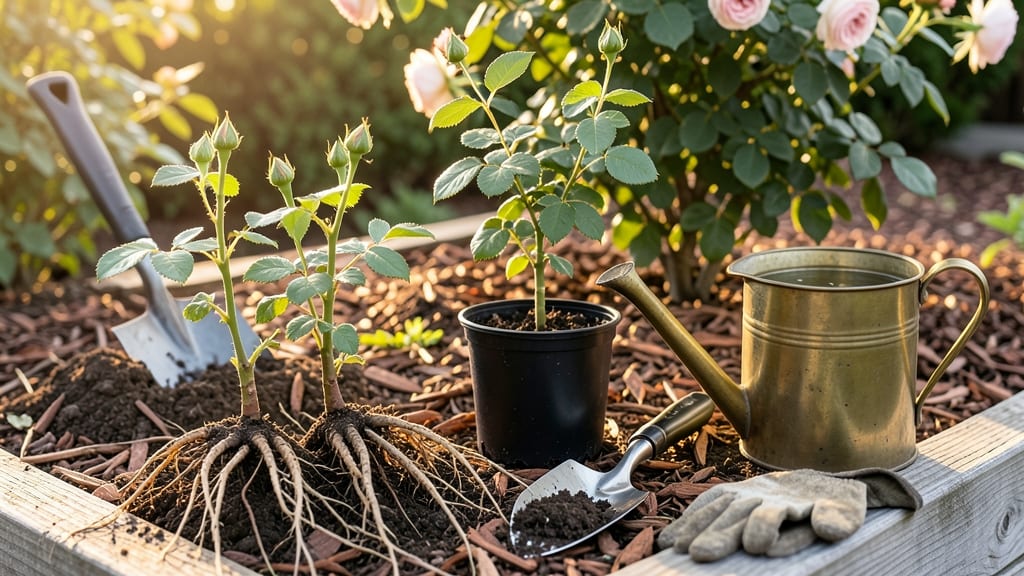
If you’ve ever watched a rose wilt under Arizona’s brutal sun or struggle through a sudden frost, you know timing is everything when planting roses in Arizona.
The best time to plant them isn’t just about avoiding heat—it’s about leveraging the state’s unique climate to give your roses the fighting chance they deserve.
Most gardeners assume spring is the go-to season, but Arizona’s desert conditions demand a different approach. Planting in late fall or winter (November through February) lets roots establish before the scorching summers hit, while also sidestepping the unpredictable monsoons that can drown tender new growth.
Whether you’re working with bare-root roses or potted varieties, the key is preparing your soil and watering strategy to match Arizona’s 9b zone demands. I’ll break down the exact steps to set your roses up for success—so you can enjoy blooms that outlast the heat.
Ready to transform your garden into a thriving rose haven? Let’s dive into the secrets that’ll keep your roses blooming year after year, no matter how high the temperatures climb.
Arizona’s optimal rose planting windows: avoiding heat & frost pitfalls
Arizona’s desert climate presents unique challenges for rose gardeners, with triple-digit summers and unpredictable monsoons. Unlike temperate regions, timing your rose planting isn’t just about avoiding frost—it’s about beating the heat while giving roots time to establish before the scorching season.
The ideal window shifts dramatically depending on whether you’re in Phoenix (Zone 10a), Tucson (Zone 9a), or Flagstaff (Zone 7b). Let’s break down the science-backed schedule to maximize your roses’ survival and bloom potential.
In Arizona, late fall to early spring (November through February) is your golden planting window for roses. This period offers cooler soil temperatures (ideal for root growth) and lower evaporation rates, reducing stress on newly planted shrubs.
However, the exact timing depends on your elevation: Lower desert areas (like Phoenix) can plant as late as February, while higher elevations (like Flagstaff) should aim for September to October to avoid late-season frosts.
The key is to plant when soil temps stay below 70°F—a critical threshold for root establishment.
Bare-root roses are best planted in late fall or winter, while container-grown roses offer slightly more flexibility but still thrive when soil is cool. For example, I planted my ‘Knock Out’ roses in mid-December in Scottsdale, and they established roots before the 100°F+ summers hit. The trade-off? Early spring plantings (March) risk heat stress, but they can work in shaded or irrigated microclimates. Let’s compare the best options for your region.
| Region | USDA Zone | Best Planting Window | Soil Temp Goal | Key Consideration |
|---|---|---|---|---|
| Phoenix/Tucson (Low Desert) | 10a-11a | November–February | Below 70°F | Avoid summer heat; use drip irrigation. |
| Sedona/Prescott (Mid-Elevation) | 8a-9a | September–October or February–March | Below 65°F | Watch for late frosts in spring. |
| Flagstaff (High Desert) | 7b | September–October | Below 60°F | Plant before first frost (Jan 10). |
The monsoon season (July–September) might seem like a strange time to think about planting, but it’s actually a hidden opportunity for container-grown roses in higher elevations. The increased humidity and frequent rains can boost root growth if you plant in shaded areas and use mulch to retain moisture.
I’ve seen gardeners in Sedona successfully plant in August by leveraging the monsoon’s natural irrigation, but this is risky in the low desert where temps still climb above 90°F.
One critical mistake I’ve seen repeat is planting roses in early spring (March–April) without accounting for the rapid temperature swings Arizona experiences. A 90°F day followed by a 50°F night can shock young roots.
To mitigate this, I recommend acclimating container-grown roses for 1–2 weeks before transplanting by placing them in partial shade during the hottest part of the day. This hardening-off process reduces transplant shock significantly.
For bare-root roses, the soaking method is non-negotiable in Arizona’s dry climate. Soak the roots for 4–6 hours before planting to ensure they’re fully hydrated. I once planted a ‘Dr. Huey’ rose without soaking in 105°F heat, and it took 3 months to recover—don’t make that mistake!
Pair this with a deep watering trench around the base to encourage roots to grow downward, away from the evaporative surface.
If you’re in a microclimate with afternoon shade (like near a wall or tree), you can push the planting window slightly later into early spring. However, avoid planting after March 15 in the low desert, as the risk of heat stress skyrockets.
For example, my ‘Earth Kind’ roses planted in April in Tempe struggled until I installed a shade cloth and increased watering to every 3 days. Even then, they took 2 months to bounce back.
Pro tip: Use a soil thermometer to check temperatures before planting. Aim for 60–70°F at a 6-inch depth. I keep one buried in my garden bed, and it’s saved me from planting too early multiple times.
Pair this with a mulch layer of 3–4 inches (straw or wood chips) to insulate roots and lock in moisture. This is especially critical in Zone 1
Arizona’s optimal rose planting windows: avoiding heat & frost pitfalls
Arizona’s USDA zones 7b-10a create a tricky balance for rose gardeners. While Phoenix and Tucson rarely see frost, Flagstaff’s higher elevations can drop below 28°F in winter.
The sweet spot for planting roses? November through February, when soil temps hover between 50-65°F—ideal for root establishment without summer heat stress.
Most gardeners assume spring is best, but Arizona’s 110°F+ summers make that a risky bet. Planting in late fall or winter lets roots grow before the heat arrives. For bare-root roses, late November to January is perfect—soils are cool, and monsoon rains (if any) won’t drown them.
Potted roses? December-February works best to avoid transplant shock.
Here’s the critical rule: Never plant when daytime temps exceed 85°F. Even heat-tolerant varieties like Knock Out roses will struggle if planted in March or April. The 100-day window between frost risk and summer heat is your golden opportunity.
For high-elevation areas like Flagstaff, aim for January planting to avoid late-winter frosts. Use row covers if temps dip below 28°F after planting. In low-desert zones, November is ideal—soils stay cool, and you’ll beat the summer heat by 6 months.
Pro tip: Test your soil temperature with a soil thermometer before planting. If it’s above 70°F, wait—your roses’ roots will cook. Pair planting with deep watering (1-2 gallons per plant) to encourage root growth into Arizona’s alkaline, clay-heavy soils.
Remember: Roses planted in winter often bloom earlier and more vigorously than spring-planted ones. That’s because they’ve had months to establish roots before the heat arrives. With the right timing, your Arizona roses can outlast the desert—and look stunning while doing it.