
Planting
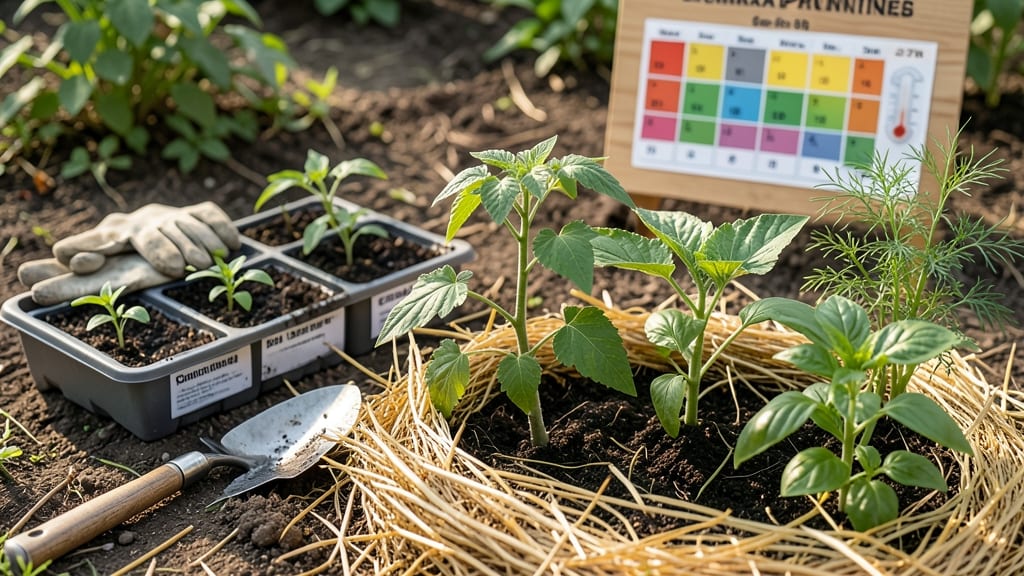
When to plant a garden in Georgia could mean the difference between a bumper crop of 🌱 General Garden Vegetables and a season of disappointment. With the state’s 7a-8b climate zones offering both long summers and unpredictable frosts, knowing when to plant isn’t just helpful—it’s essential.
If you’ve ever watched your seedlings wilt after a late frost or struggled with heat-sensitive crops in July, you’re not alone. The key to success lies in understanding Georgia’s late February to early April spring window and late July to early September fall planting opportunities.
These periods align with the state’s frost-free deadlines, giving your plants the best shot at thriving.
What you’re about to discover isn’t just about dates—it’s about matching your crops to Georgia’s microclimates. Whether you’re in the Piedmont’s rolling hills or the Coastal Plain’s humid lowlands, the right timing ensures your garden grows strong from April to June in spring and September to November in fall.
Let’s break down the exact planting schedule so you can start confidently, harvest abundantly, and enjoy the fruits of your labor all season long. Your garden’s success begins with knowing when to plant—and we’ve got you covered.
Georgia’s frost-free planting zones: when to start by region
Georgia’s diverse geography—from the cool mountain air of the North Georgia Piedmont to the humid coastal plains—creates unique planting windows. Understanding your USDA Hardiness Zone (typically 6b-8a) helps you time cool-season crops like broccoli and lettuce to avoid frost damage while maximizing summer harvests.
In North Georgia (Zones 6b-7a), like Atlanta or the Blue Ridge Mountains, the last frost typically arrives between mid-March and early April. Meanwhile, South Georgia (Zones 7b-8a), including Savannah and Columbus, enjoys frost-free conditions by mid-February to early March.
These differences mean your neighbors’ planting schedule might not work for you!
Here’s a quick reference for cool-season crops—the ones you’ll want to plant as soon as the soil warms to 50°F (10°C):
| Region | Last Frost Date | Ideal Planting Window | Cool-Season Crops |
|---|---|---|---|
| North Georgia (Zones 6b-7a) | Mid-March to Early April | Late March – Early May | Broccoli, Lettuce, Peas, Spinach |
| Central Georgia (Zones 7a-7b) | Early to Mid-March | Late February – Early April | Kale, Radishes, Carrots, Cabbage |
| South Georgia (Zones 7b-8a) | Mid-February to Early March | Late January – Early March | Collards, Turnips, Mustard Greens |
For warm-season crops like tomatoes and peppers, wait until the soil reaches 60°F (15°C)—usually late April to early May in North Georgia and mid-March to early April in South Georgia. Use a soil thermometer to confirm before planting!
If you’re in a transition zone (like the Atlanta suburbs), err on the side of caution. A late frost in April can wipe out tender seedlings overnight. Extend your season by starting cool-season crops indoors 6-8 weeks before your last frost date.
Pro tip: Container gardeners in urban areas can push planting dates earlier by using black plastic mulch or row covers to warm the soil faster. This is especially helpful in Zone 7a, where nights can still dip below freezing in early spring.
Don’t forget about fall planting! Most Georgia regions can support a second planting of cool-season crops from late July to early September, with harvests stretching into November. This is your chance to grow kale and spinach without competing with summer heat.
To track your local frost dates, bookmark the National Weather Service’s frost prediction maps or use apps like Frost Freeze Alerts. These tools send alerts when temperatures dip below 32°F (0°C), giving you time to cover sensitive plants.
Finally, if you’re in the coastal plain, where humidity lingers, prioritize disease-resistant varieties of tomatoes and peppers. The extra moisture can turn fungal issues into a nightmare if you plant too early.
With these regional guidelines, you’ll avoid the heartbreak of frost-killed seedlings and instead enjoy a garden that thrives all season long. Happy planting! 🌱
Best planting schedule for Georgia’s top vegetables and flowers
Georgia’s long growing season lets you plant a variety of crops twice a year—spring and fall—but timing is everything. Tomatoes, peppers, and squash thrive when planted after the last frost, while cool-season crops like lettuce and broccoli need early starts.
Let’s break down the ideal planting windows for Georgia’s most popular plants to ensure a continuous harvest.
For warm-season vegetables like tomatoes and peppers, wait until mid-April to early May in most of Georgia. These plants crave warmth, and planting too early can stunt their growth. In North Georgia’s cooler zones (6b-7a), hold off until late April to avoid frost damage.
Meanwhile, squash and cucumbers can handle slightly cooler soil, so they can go in 2-3 weeks before your last frost date.
Succession planting is your secret weapon for a non-stop harvest. For example, sow lettuce every 2 weeks from February to April, and repeat with bush beans every 3 weeks from May to July.
This keeps your garden productive without overwhelming you. Just remember: heat-sensitive crops like basil and cilantro bolt quickly in Georgia’s summer—plant them in spring or fall only.
If you’re growing perennials like blueberries or azaleas, timing matters too. These plants need time to establish roots before Georgia’s hot summers kick in. Plant them in fall (September-October) or early spring (March) to give them a head start.
For annual flowers, like marigolds or zinnias, direct-sow seeds in March to April for vibrant blooms all summer.
Don’t forget about fall planting—it’s just as important as spring! Start warm-season crops like tomatoes and peppers in late July to early August for a second harvest. Cool-season crops like kale and carrots can go in August to September, giving you fresh produce well into November.
Just be mindful of Georgia’s first frost (late November) and choose fast-maturing varieties.
Pro tip: Use row covers or cold frames to extend your growing season. These tools can protect tender plants from late frosts in North Georgia or early heatwaves in the Coastal Plain.
With the right timing and a little extra care, you’ll enjoy a garden that’s productive from spring to fall—no wasted season here! 🌱