
Planting
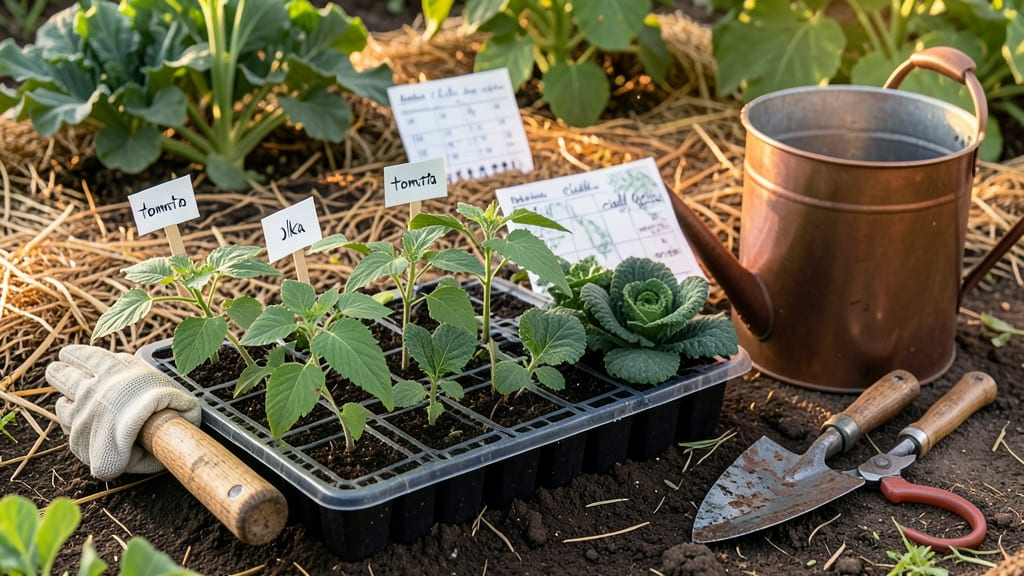
Timing when to plant a garden in Georgia just right could mean the difference between a thriving 🌱 General Garden and a disappointing harvest.
With frost dates shifting from mid-March in the north to late February in the south, getting the planting window wrong can leave your crops vulnerable to cold snaps or wilting under summer heat.
I’ve spent years learning the secrets of Georgia’s 7a-8b zones, and the key isn’t just knowing when to plant—it’s understanding how to work with the state’s long growing season.
Whether you’re sowing cool-season greens in spring or heat-loving okra in fall, the right timing ensures your plants grow strong and your efforts pay off.
In this guide, I’ll break down the best months for planting everything from vegetables to flowers, including how to extend your season with simple tricks. You’ll discover exactly when to start seeds indoors, when to transplant outdoors, and how to avoid common mistakes that waste time and resources.
Ready to transform your garden into a year-round success? Let’s dive into the planting schedule that’ll make your General Garden the envy of the neighborhood—and your dinner table the star of every meal.
Georgia planting zones by month: frost dates & heat-tolerant start times
Georgia’s diverse climate—spanning USDA zones 7a-8b—means planting times vary dramatically from the cool mountain regions to the humid coastal plains. Understanding these differences is key to avoiding frost damage or overheating your crops.
Let’s break down the last frost dates and ideal planting windows for each region, so you can time your garden like a pro.
In North Georgia (zones 7a-7b), the last frost typically hits around mid-April, while Central Georgia (zone 8a) sees its final frost by early April. Down south in zone 8b, gardeners can start planting as early as late February in coastal areas.
These variations mean your cool-season crops (like lettuce and peas) should go in 8-10 weeks before the last frost, while warm-season crops (tomatoes, peppers) need to wait until soil temps hit 60°F+.
Here’s a quick reference for Georgia’s three main regions:
| Region | Last Frost Date | First Frost Date | Cool-Season Planting | Warm-Season Planting |
|---|---|---|---|---|
| North Georgia (7a-7b) | Mid-April | Mid-November | Late February - Early April | Late April - Early May |
| Central Georgia (8a) | Early April | Late October | Late January - Early April | Early April - Mid-May |
| South Georgia (8b) | Late February | Mid-November | Early January - Early April | Mid-March - Early May |
For heat-loving crops like okra, sweet potatoes, and peppers, wait until soil temperatures are consistently above 65°F. Use a soil thermometer to check—these plants won’t germinate in cooler soils.
In contrast, cool-season crops like broccoli and kale thrive when planted 6-8 weeks before the last frost, so get them in the ground by late January in South Georgia or early March in North Georgia.
Georgia’s fall planting window is just as critical. Start warm-season crops like tomatoes and peppers in late July for a fall harvest, but avoid planting too early—high summer heat can stress seedlings. Cool-season crops for fall should go in by early August to mature before the first frost.
Use row covers to protect tender greens if frost threatens early.
Pro tip: Succession planting is your best friend in Georgia’s long growing season. For example, plant bush beans every 2 weeks from April to July to ensure a steady harvest.
Similarly, lettuce and spinach can be sown every 3 weeks in spring and fall for continuous greens. This strategy maximizes your garden’s potential and minimizes wasted space.
Don’t forget to account for microclimates—even within a single county, valleys stay cooler and south-facing slopes warm up faster. Observe your garden’s unique conditions for 2-3 years to fine-tune your planting schedule. Over time, you’ll develop a customized calendar that beats Georgia’s climate challenges.
For container gardening, adjust your timing slightly. Pots heat up faster and dry out quicker, so start warm-season crops a week earlier than in-ground plants. Use black plastic mulch to warm soil faster in spring, or light-colored mulch to reflect heat in summer and protect roots.
Finally, keep an eye on extended forecasts. Georgia’s weather can be unpredictable—unseasonable cold snaps in March or early frosts in October aren’t unheard of. Have row covers or cold frames on hand to shield young plants when needed.
With the right timing and a little flexibility, you’ll turn Georgia’s climate into your garden’s greatest advantage.
Best vegetables to plant in Georgia by season: cool vs. warm season timing
Georgia’s long growing season lets you grow almost any vegetable—but timing matters. Cool-season crops like lettuce and broccoli thrive in spring and fall, while warm-season favorites such as tomatoes and peppers need summer’s heat.
Let’s break down the best planting windows and how to avoid common pitfalls like bolting lettuce or blight-prone tomatoes.
For cool-season vegetables, start seeds indoors in February or direct-sow after the last frost date (typically mid-March). These crops handle Georgia’s mild spring temperatures but bolt when summer heat arrives. Leafy greens like spinach and kale grow best in fall when temperatures drop again.
Warm-season crops, including tomatoes, peppers, and okra, need soil temperatures above 60°F. Plant them after the last frost, usually in April or May, to avoid chilling injury. In southern Georgia, you can even start warm-season crops in March if your soil warms early.
🌱
Succession planting is key for continuous harvests. For example, sow bush beans every 2 weeks from April to July to enjoy fresh beans all summer. Similarly, radishes mature in just 30 days, making them perfect for quick succession plantings.
Beware of heat stress in late summer. Cucumbers and squash wilt quickly when temperatures exceed 90°F. Use shade cloth or mulch to keep roots cool. Fall planting of warm-season crops like kale and carrots also works well—just start seeds in August for a harvest before frost.
Pro tip: Direct-sow heat-loving crops like sweet potatoes and okra after Memorial Day to avoid soil-borne diseases. And always rotate crops yearly to prevent pest and disease buildup in your soil.
With the right timing, you can enjoy homegrown veggies year-round in Georgia—from crisp spring lettuce to sweet summer tomatoes and hardy fall greens. 🌿