
Trees
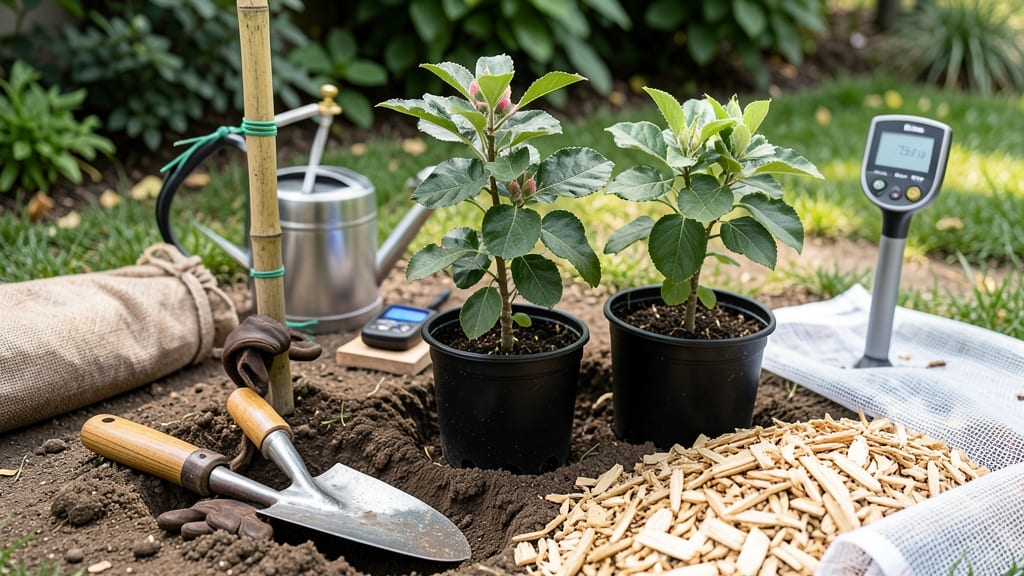
Planting fruit trees in South Australia at the wrong time can mean the difference between a thriving orchard and struggling saplings that never recover. With our unique climate zones—from the cool Adelaide Hills to the hot Riverland—timing isn’t just important, it’s everything.
I’ve seen firsthand how a spring planting in the right conditions can give your fruit trees a head start, while planting too early risks frost damage or weak root development. The key is understanding your local microclimate and choosing varieties that match it.
In this guide, I’ll break down the best months to plant by region, from citrus in the warmer zones to stone fruits in cooler areas. You’ll also learn how to prepare your soil and protect young trees from unexpected cold snaps—so you can enjoy a fruitful harvest for years.
Whether you’re a first-time gardener or a seasoned grower, these insights will help you avoid common mistakes and set your fruit trees up for success. Let’s get started!
Best planting months for fruit trees in South Australia’s climate zones
South Australia’s diverse climate zones—from the cool Adelaide Hills to the warm Riverland—mean planting times vary dramatically. In cooler regions like the Adelaide Hills, aim for late winter to early spring (August–September) when frost risk drops.
Meanwhile, the Riverland and Eyre Peninsula thrive with spring planting (September–October), avoiding summer’s scorching heat. Even within these windows, citrus trees prefer warmer soil temperatures (above 15°C) while stone fruits like peaches need cooler root zone temps to establish.
Timing also depends on your fruit tree variety. Pome fruits (apples, pears) benefit from early spring planting to avoid summer drought stress, while stone fruits (peaches, plums) can handle late winter if protected from frost. Citrus and olives, however, demand warmer conditions—plant them in spring after the last frost (typically October in Adelaide).
Always check your local frost dates via the Bureau of Meteorology or SA Government gardening guides.
Here’s a quick rule: Plant bare-root trees in winter (June–August) for cooler zones, but container-grown trees can go in spring or early autumn.
The key is soil warmth—stick your finger 10cm deep; if it’s cool but not frozen, it’s ready. Eyre Peninsula’s drier climate means autumn planting (March–April) can work for drought-tolerant varieties like mulberries or figs, but they’ll need extra watering during establishment.
For container-grown trees, you’ve got more flexibility—plant them anytime soil isn’t frozen, but spring is ideal for root establishment. If you’re in a microclimate (like a sheltered valley), you might push planting to late autumn (May), but always monitor frost forecasts.
Pro tip: Rootstock choice matters—dwarfing rootstocks like M9 for apples or GF-677 for peaches establish faster in cooler soils, while citrus on trifoliate rootstock handles heat better.
Don’t overlook rainfall patterns. The Adelaide Hills get winter rains, so planting in August gives natural moisture. Meanwhile, the Riverland’s summer drought means deep watering is critical post-planting.
Use a moisture meter to check soil—10–15cm depth should stay evenly moist but not soggy. Mulch heavily (10cm of organic mulch) to retain moisture and regulate soil temperature.
If you’re planting citrus or subtropical fruits like lychee or finger lime, wait until soil temps exceed 18°C—usually November in Adelaide. These trees hate cold, so avoid winter planting unless you’re in a protected microclimate.
For stone fruits, dormant planting (June–July) works in cooler zones, but container-grown trees can go in spring with frost cloth protection.
Local nurseries know their regions best—ask about climate-adapted varieties. For example, ‘Granny Smith’ apples thrive in the Adelaide Hills, while ‘FlameSeed’ peaches are bred for Riverland heat.
Always check the SA Research and Development Institute’s fruit tree guides for region-specific recommendations. And remember: Bare-root trees need im
How to prepare for planting: soil, frost protection, and early care tips
Before you plant your fruit trees in South Australia, proper preparation is key to avoiding common pitfalls like poor root growth or frost damage. I’ve learned that soil quality and frost protection can make or break your young trees’ survival in our variable climate.
Start by testing your soil’s pH and nutrient levels—most fruit trees prefer a slightly acidic to neutral pH (6.0-7.0). If your soil is heavy clay, like in parts of the Adelaide Plains, amending it with organic matter like compost or gypsum will improve drainage and root health.
Next, consider your microclimate. Even within a region like the Riverland, frost pockets can exist. Use a frost watch or local weather alerts to time your planting just before the first frost-free period in late winter or early spring.
Once planted, protect young trees with mulch (straw or wood chips) to retain moisture and insulate roots. In high-wind areas like the Eyre Peninsula, stake trees early to prevent uprooting during storms.
Watering is another critical factor. Newly planted trees need deep, infrequent watering—aim for 1-2 inches per week—to encourage deep root growth. Avoid overhead watering at night to prevent fungal diseases like root rot.
Finally, monitor your trees for signs of stress, such as yellowing leaves or stunted growth, which may indicate nutrient deficiencies or pests. Address issues quickly to keep your trees thriving.
With these steps, your fruit trees will have the best chance of establishing strong roots and surviving South Australia’s unpredictable seasons. Happy planting! 🌱