
Plants
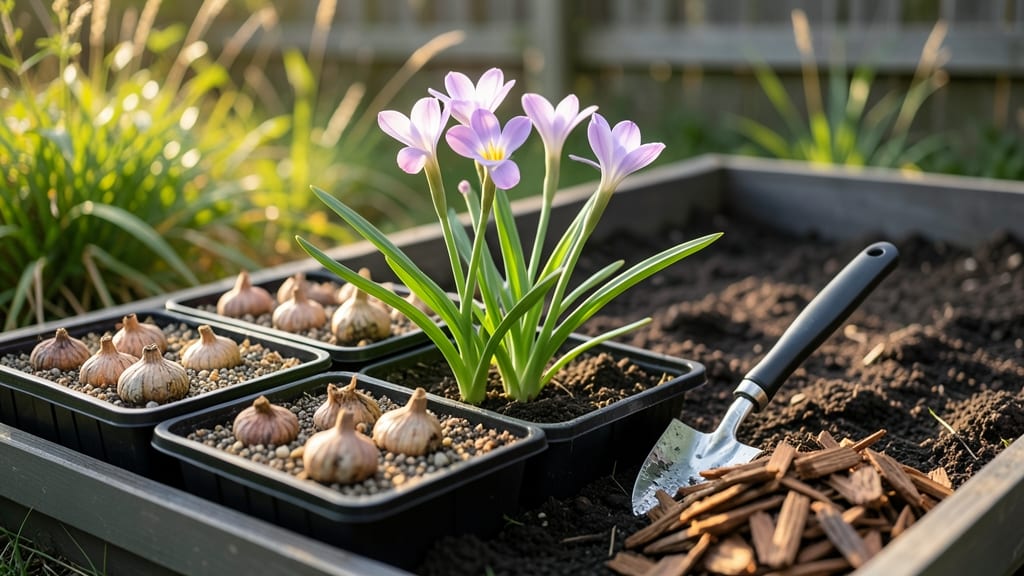
Timing your freesia planting in Melbourne isn’t just about following a calendar—it’s about catching that sweet spot between spring’s first warmth and summer’s relentless sun. With August and September as your prime window, you’ll unlock vibrant blooms that perfume your garden like nothing else.
But here’s the catch: Melbourne’s microclimates mean inner-city spots and outer suburbs can differ by weeks, so knowing the exact cues is everything.
Think of freesias (🌸) as the divas of the flower world—they demand just the right conditions to shine. Plant too early, and you risk stunted growth from lingering cool spells; too late, and you might miss their October-November show entirely.
The key? Soil that’s warm enough to encourage root growth without overheating the bulbs. I’ll walk you through how to read Melbourne’s unpredictable signals and adjust your timing like a pro.
What you’ll discover here isn’t just theory—it’s a battle-tested strategy for Melbourne gardeners. We’re talking variety-specific planting dates, soil prep secrets, and even how to protect your freesias from Melbourne’s infamous heatwaves.
Whether you’re filling a sunny border or a shady balcony pot, these steps will turn your freesia dreams into reality—no guesswork required.
Ready to transform your garden into a fragrant escape? Let’s dive into the exact months, soil tricks, and local hacks that’ll have your freesias thriving when most people are still scratching their heads. Your summer blooms start with the right timing—and trust me, these flowers are worth the wait.
Melbourne’s frost-free planting window for freesias: month-by-month guide
Melbourne’s mild but unpredictable climate means freesias thrive here year-round, but timing matters. Unlike frost-prone regions, Melbourne’s 365 frost-free days let you plant freesias almost anytime—but August to September delivers the most reliable blooms. This window aligns with spring’s warming soil and avoids summer’s heat stress, which can stunt growth.
Your inner-city Melbourne garden (e.g., Fitzroy, Carlton) enjoys slightly warmer microclimates than outer suburbs like Melton or Geelong. Inner-city areas can plant 1–2 weeks earlier than cooler zones, but always check soil temps—10°C+ is ideal for bulb growth.
Use a soil thermometer to avoid planting too soon in chilly patches.
Here’s the breakdown: July (early) is risky for outer suburbs, while August–September (peak) works city-wide. October (late) is fine for heat-tolerant varieties, but expect shorter bloom cycles. Heatwaves in December can stress freesias, so avoid planting then unless you’re using shade cloth.
For container gardening (balconies, patios), plant 2–3 weeks earlier than ground beds—containers warm up faster. Use well-draining potting mix with perlite to prevent bulb rot, a common issue in Melbourne’s humid summers. Elevate pots to improve airflow and reduce fungal risks.
Melbourne’s spring rains (September–October) can leach nutrients, so add a slow-release fertilizer (like osmacote) at planting. Avoid heavy mulch in summer—it traps heat and can cook bulbs. Instead, use straw mulch (2–3cm thick) in winter to insulate roots from temperature swings.
Pro tip: Test your soil’s pH before planting—freesias prefer 6.0–6.5. Melbourne’s native soils often lean acidic; amend with lime (if pH <6.0) or sulfur (if pH >7.0). Use a bulb-specific fertilizer (e.g., 10-10-10 NPK) at planting to kickstart growth.
If you’re forcing freesias indoors (e.g., for Christmas blooms), plant in late July and keep them in a cool, dark room (10–15°C) for 8–10 weeks. Move to bright light when shoots emerge—this tricks them into blooming out of season. Just watch for leggy stems from too much light too soon.
Remember: Melbourne’s humidity loves fungal diseases like botrytis. Space freesias 6–8 inches apart for airflow, and water at soil level (not overhead) to keep foliage dry. A copper fungicide spray in spring can prevent issues before they start.
Finally, mark your calendar for late November—that’s when freesias in Melbourne start winding down. Deadhead spent blooms to redirect energy to bulb storage, and leave foliage until yellow to ensure next year’s flowers. With these timing tricks, your freesias will bloom like clockwork, even in Melbourne’s mood swings.
Melbourne’s frost-free planting window for freesias: month-by-month guide
Melbourne’s spring planting window for freesias (🌸) runs from late August to early October, but timing isn’t one-size-fits-all. Inner-city areas like Melbourne CBD often warm up faster than outer suburbs like Frankston or Dandenong, creating a 2-3 week difference in ideal planting dates.
The key is watching for soil temperatures to hit 10-12°C—this triggers bulb growth without risking heat stress.
For most Melbourne gardeners, early September is the sweet spot. This gives bulbs enough time to establish roots before summer’s heat peaks in December-January. Plant too early (July-August), and you risk stunted growth from cool soil; too late (October-November), and your blooms may arrive just as summer winds down.
🌱Pro Tip: Use a soil thermometer to confirm readiness—freesias need warmth to thrive, but not scorching heat. If your soil is still chilly in September, opt for container planting with added warmth from black plastic mulch.
🌱 Freesia Planting Timeline for Melbourne
| Month | Soil Temp | Action | Notes |
|---|---|---|---|
| July | 8-10°C | Prep soil | Add compost; avoid planting |
| August | 10-12°C | Plant early varieties | Risk of cool soil; use mulch |
| September | 12-15°C | Ideal planting | Best success for blooms |
| October | 15-18°C | Late planting | Smaller blooms; shade needed |
Melbourne’s heatwaves in December can stress freesias, so late September planting gives roots time to establish before summer’s intensity. If you’re in a hotter suburb like Sunbury, prioritize afternoon shade and daily watering once blooms appear.
For cooler areas like Macedon, you can push planting to early October safely.
💧Watering Hack: After planting, give bulbs a deep soak to encourage root growth. Then, water only when the top 5cm of soil is dry—overwatering in Melbourne’s humidity can lead to bulb rot. Mulch with straw or pebbles to retain moisture without smothering the plants.
Remember, freesias are summer bloomers, so aim for October-November flowers by planting in September. This timing aligns with Melbourne’s spring-to-summer transition, ensuring your garden smells like a perfumed paradise just as the city heats up.
With these cues, you’ll avoid the common mistakes that leave freesias struggling—and enjoy blooms that last.