
Flowers
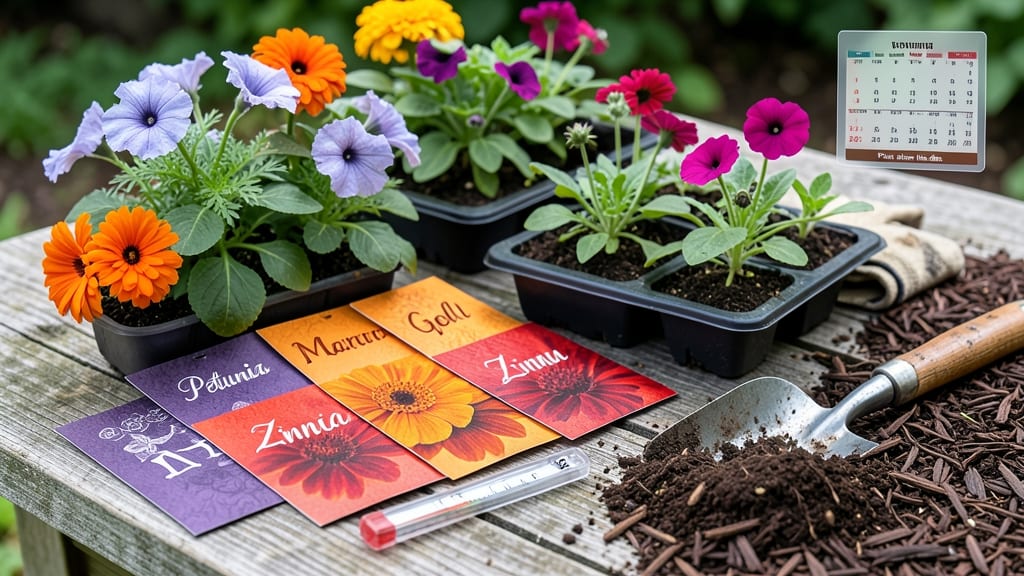
Timing your flower planting in Vermont can feel like a high-stakes guessing game—one wrong move and your 🌸 blooms might never make it past the first frost. But with Vermont’s 5b-6a hardiness zone and unpredictable weather, knowing exactly when to plant is the difference between a garden bursting with color and a season of disappointment.
Most gardeners in Vermont wait until after the last frost date (typically around April 15–May 15), but that’s just the starting line.
The real secret lies in understanding your soil’s readiness, the type of flowers you’re planting, and how Vermont’s short growing season can be your best ally—or your worst enemy.
Whether you’re dreaming of bold coneflowers in summer or delicate tulips in spring, this guide will help you align your planting schedule with Vermont’s unique climate.
You’ll learn which flowers thrive when planted in spring vs. fall, how to adjust for microclimates, and even how to extend your blooming season with smart timing.
Skip the guesswork and start planting with confidence—your garden will thank you with longer-lasting, healthier flowers that stand up to Vermont’s challenges. Let’s get those bulbs and seeds in the ground the right way!
Vermont flower planting timeline by hardiness zone 4-5
Vermont’s hardiness zones 4-5 demand precise timing to beat late frosts and short growing seasons. Most regions experience their last frost around May 10, but high-elevation areas can see frost until mid-June. Plan accordingly to avoid frost damage to tender blooms.
For spring planting, aim to sow seeds or transplant after soil temperatures reach 50°F (10°C). This typically falls between April 15 and May 15, depending on your microclimate. Fall planting should occur between August 1 and September 15 to allow roots to establish before winter.
Cold-hardy perennials like coneflowers and tulips can handle Vermont’s winters, but tender annuals like petunias need to wait until all danger of frost has passed. Use row covers or greenhouses for early starts on heat-loving varieties.
Vermont Flower Planting Schedule
| Season | Plant Type | Ideal Planting Window | Notes |
|---|---|---|---|
| Spring | Perennials | April 15–May 15 | Cold-hardy varieties like black-eyed Susans and bee balm |
| Spring | Annuals | After May 10 (last frost) | Wait for 50°F soil; use row covers if needed |
| Spring | Bulbs | September–October (fall) or April (spring) | Tulips and daffodils thrive with fall planting |
| Fall | Perennials | August 1–September 15 | Establish roots before first frost (October 1) |
| Fall | Cool-season annuals | Late July–August | Pansies and snapdragons bloom in cool weather |
Start indoor seed starting in March for tender perennials like petunias or geraniums. These need 6-8 weeks of warmth before transplanting outdoors. Use grow lights if natural light is limited during Vermont’s short days.
For high-elevation gardens (e.g., Stowe or Jay Peak), delay planting by 2-3 weeks to account for later frosts. Monitor local frost forecasts and use frost cloth for extra protection during May transitions.
In urban heat islands (e.g., Burlington or Rutland), you can plant tender annuals like marigolds slightly earlier—around May 1—since these areas warm up faster. Always check soil temperature with a thermometer before planting.
Extend your bloom season by planting succession crops every 2-3 weeks from May to July. This ensures continuous color from early summer to frost. Pair early bloomers like peony with late-season varieties such as mums.
Pro tip: Mark your calendar for Vermont’s average first frost (October 1
Best flowers to plant in Vermont by season (with frost tolerance ratings)
Vermont’s short growing season demands flowers that can handle cold snaps and thrive in USDA Zones 4-5. The key is choosing varieties with high frost tolerance ratings and aligning their planting times with Vermont’s last frost dates (April 15–May 15).
Below are my top picks for each season, ranked by their ability to withstand Vermont’s unpredictable weather.
For spring bloomers, focus on tulips, daffodils, and bleeding hearts, which can handle early planting and light frosts. These cold-hardy perennials often emerge as soon as the snow melts, giving you early color.
Summer lovers should prioritize coneflowers, black-eyed Susans, and daylilies, which tolerate heat and humidity while still enduring late-season frosts.
Fall-planted flowers like mums, asters, and pansies establish roots before winter, blooming early the next season. Their high frost tolerance (often rated 8-9/10) makes them ideal for Vermont’s early October freezes. Even better, many of these varieties self-seed, ensuring your garden keeps blooming year after year with minimal effort.
If you’re new to Vermont gardening, start with perennials like coneflowers, which are nearly foolproof. They handle drought, heat, and light frosts while attracting pollinators. For annuals, opt for pansies and snapdragons—both tolerate cooler temperatures and add instant color to beds.
Pro tip: Plant pansies in late summer for fall blooms, and they’ll often survive winter to bloom again in spring!
For shade-loving gardens, hostas and astilbes are my go-tos—they thrive in Vermont’s woodland conditions and come back year after year. Even in Zone 4, these plants handle deep freezes with ease. Pair them with bleeding hearts for a dreamy, low-maintenance woodland garden that requires zero fuss after establishment.
Remember: Soil temperature matters more than air temperature. Use a soil thermometer to confirm your soil has warmed to at least 50°F (10°C) before planting tender annuals like marigolds or zinnias.
In Vermont’s high-elevation areas, wait until mid-May to avoid frost damage. With the right choices, your garden can burst into color from May through October—no guessing required!