
Flowers
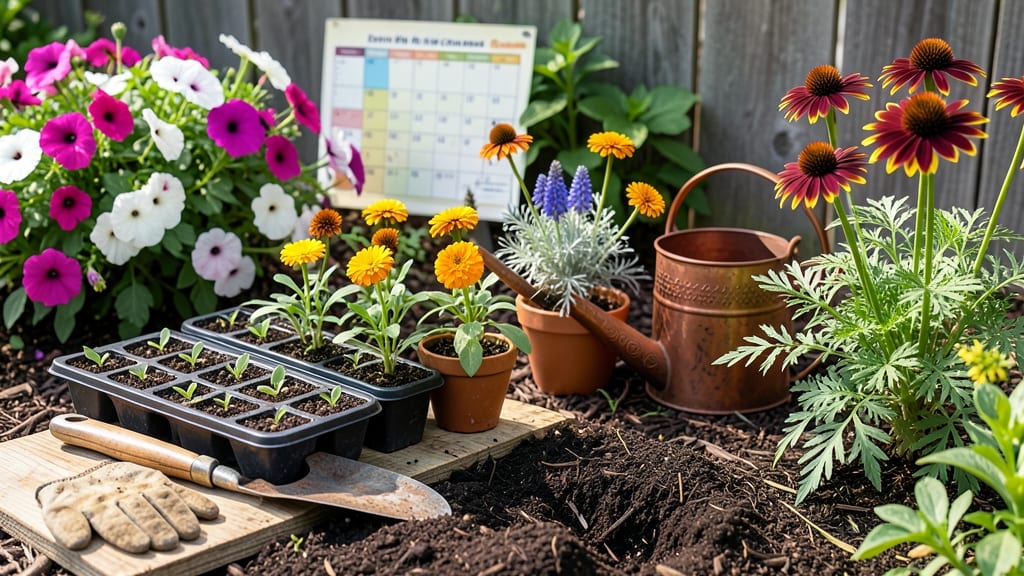
Timing your flowers 🌸 planting in Colorado isn’t just about the calendar—it’s about surviving the state’s dramatic elevation shifts and unpredictable frost. Get it wrong, and your vibrant blooms might never make an appearance, while perfect timing unlocks a garden bursting with color from spring to fall.
With USDA Zones 5-7 spanning everything from Denver’s Front Range to the high-altitude Western Slope, your planting window can vary by weeks depending on where you live.
Whether you’re in the low desert or a mountain town, knowing when to start seeds indoors or rush outside for direct sowing is the difference between a thriving garden and a sad, frost-kissed disappointment.
In this guide, I’ll break down exactly when to plant—whether you’re dreaming of spring tulips or summer coneflowers—so you can match your flowers to Colorado’s frost-free dates. Plus, I’ll share pro tips to stretch your season, because even Colorado’s unpredictable weather can’t stop a well-prepared gardener.
Ready to turn your garden into a blooming paradise? Let’s get those flowers in the ground at the perfect moment.
Colorado’s frost-free zones: when to plant flowers by elevation
Colorado’s dramatic elevation changes—from the 2,500-foot Front Range to 10,000-foot mountain meadows—mean your planting timeline could vary by 4-6 weeks. Understanding your USDA Hardiness Zone and local frost dates is key to avoiding frozen seedlings or stunted growth.
Let’s break it down by region so you can plant with confidence.
Most Colorado gardens fall into Zones 4-7, but elevation trumps latitude here. For example, Denver (Zone 5) has a last frost around April 20, while Durango (Zone 6) at 6,500 feet averages May 10.
High-altitude areas like Leadville (Zone 4) may not see frost-free conditions until June 1, if at all for delicate annuals.
Pro Tip: Check your exact zone using the Colorado State University Extension’s interactive map—it accounts for microclimates better than general zone guides. Even a 1,000-foot elevation gain can push back frost dates by 2-3 weeks.
Here’s a region-by-region summary of when to plant flowers in Colorado, including ideal timing for annuals, perennials, and bulbs:
| Region | USDA Zone | Avg. Last Frost | Best Planting Window | Fall Planting Window | Notes |
|---|---|---|---|---|---|
| Front Range (Denver, Boulder, Fort Collins) | 5-6 | April 15-25 | April 30 - May 15 | September 1-15 | Urban heat islands may warm soil earlier |
| Western Slope (Grand Junction, Colorado Springs) | 6-7 | March 20 - April 10 | April 15 - May 1 | September 15-30 | Drier climate; water deeply after planting |
| Eastern Plains (Pueblo, Lamar) | 6-7 | March 25 - April 5 | April 20 - May 5 | September 10-25 | Windier; use windbreaks for young plants |
| Mountain Regions (Aspen, Leadville, Telluride) | 4-5 | May 10 - June 1 | June 15 - July 1 | August 15 - September 10 | Short season; choose hardy perennials |
For annual flowers, wait until soil temperatures reach at least 50°F (10°C)—a soil thermometer is your best friend. Perennials like coneflowers and black-eyed Susans can handle cooler soil, but bulbs (tulips, daffodils) need to be planted in fall (September-October) for spring blooms.
Colorado’s unpredictable weather means even experienced gardeners hedge their bets. I always plant cold-hardy annuals like pansies or snapdragons 2-3 weeks before the average last frost date, using row covers for extra protection. For high-altitude gardens, consider starting seeds indoors 6-8 weeks before your target planting date.
Fall planting is equally critical—aim to get cool-season annuals in the ground by September 15 in most zones. This gives roots time to establish before winter dormancy. Perennials like asters and chrysanthemums thrive when planted in early fall, as cooler temps reduce stress.
Remember: Microclimates matter. A south-facing wall can warm your garden by 5-10°F, while a shady spot near a pond may stay colder. Observe your garden’s unique conditions for at least 3 years
Best flowers to plant early vs. late in Colorado’s seasons
Colorado’s short growing season demands smart flower choices—planting the wrong type at the wrong time can leave your garden looking sparse. Early spring and late fall offer unique opportunities for cold-hardy blooms, while summer thrives with heat-loving perennials. Let’s match your flowers to the perfect planting window.
For early spring (March–April), focus on cold-tolerant annuals like pansies and snapdragons. These tough beauties handle 30°F nights and even light frost, giving you color before summer’s heat arrives. Perennial bulbs like tulips and daffodils also love this window—they’ll naturalize and return year after year.
🌸
- Cold-hardy annuals: Pansies, snapdragons, sweet peas
- Perennial bulbs: Tulips, daffodils, crocuses
- Vegetable flowers: Calendula, nasturtiums (edible petals!)
- Heat-tolerant annuals: Marigolds, zinnias, sunflowers
- Perennials: Coneflowers, black-eyed Susans, bee balm
- Vines: Morning glories, sweet peas (for trellises)
- Cool-season blooms: Aster, chrysanthemums, goldenrod
- Bulbs for next year: Fall-planted tulips, hyacinths
- Drought-tolerant picks: Lavender, sedum, Russian sage
- Mountain natives: Columbines, larkspurs, penstemons
- Short-season annuals: Sweet alyssum, stock flowers
- Avoid: Heat-loving tropicals (e.g., hibiscus, bougainvillea)
High-altitude gardens (6,000+ ft) need special attention—larkspurs and columbines thrive where lower-elevation flowers wilt. These natives handle cooler temperatures and shorter seasons, making them ideal for mountain zones. Skip tropical varieties like hibiscus unless you’re in Zone 7+ (e.g., Colorado Springs).
Pro tip: Fall planting (August–September) gives flowers time to establish roots before winter. Chrysanthemums and asters love this window—they’ll reward you with late-season color when many gardens fade. Just avoid planting after the first frost, or your blooms may struggle to root.
🌿